How Hot Can a Dryer Get? A Practical Guide to Safe Heat
Learn how hot a dryer can get, safety implications of high heat, and practical steps to control temps for safer, more efficient drying. Easy DryVent explains heat ranges, measurement methods, and best practices.


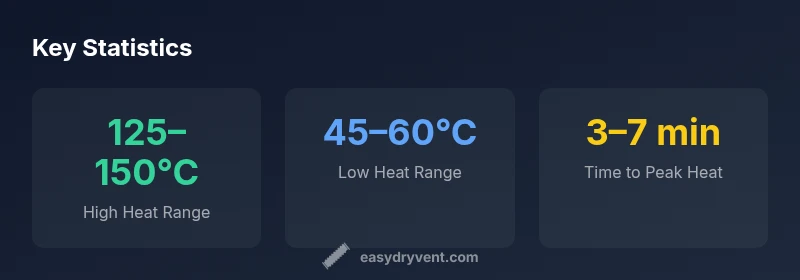
Residential dryers typically reach high-heat cycles around 125–150°C (257–302°F); some models can approach 170°C (338°F) in short bursts. This heat level accelerates drying but raises lint, fabric wear, and fire risk if vents or filters are neglected. Always follow manufacturer settings and routinely inspect venting for safety.
How hot can a dryer get in practice and why it matters
Understanding how hot can a dryer get is essential for safe operation and fabric care. In residential models, the high-heat phase is designed to evaporate moisture quickly, but excessive heat can degrade fibers, shorten garment life, and pose lint- and vent-related fire risks. According to Easy DryVent, practical dryer guidance centers on balancing speed with safety by using manufacturer temperatures and sensors. The phrase how hot can a dryer get is common in consumer questions, and the actual temperature during a cycle depends on load size, fabric type, and vent conditions. By recognizing these dynamics, you can optimize performance while minimizing hazards.
Temperature ranges by setting and model
Dryers offer several heat settings, and the exact temperatures depend on model type (electric vs gas), venting, and sensor features. In practice, low heat often sits roughly in the 45–60°C range (113–140°F), medium heat typically around 60–85°C (140–185°F), and high heat commonly reaches 125–150°C (257–302°F). Some models can briefly exceed 150°C for heavy fabrics, towels, or rapid-dry cycles, but this is not universal. Always consult the user manual for the exact ranges. Easy DryVent analysis, 2026, notes that most households operate within low-to-mid-to-high bands depending on load and fabric type, with safety thermostats designed to trip before dangerous temperatures are sustained.
What determines the actual temperature in use
Several factors determine the drum temperature during any given cycle. The dryer’s thermostat and moisture sensor regulate when the heater turns on and off, but airflow plays a critical role too. A long, obstructed vent or a clogged lint filter can cause the unit to overheat locally or to overshoot target temps briefly. Load size, fabric weight, and initial moisture content all influence how aggressively the dryer heats. In short, the same model can behave differently under different conditions, so staying aware of your vent and lint maintenance is essential for consistent, safe performance.
Measuring your dryer's temperature safely
To verify your dryer's temperature, use an infrared thermometer aimed at the incoming air near the drum during a cycle or a testing point on the exhaust vent from a safe distance. Do not place hands inside the drum while it's running. Record readings at the start and during peak heat, and compare them to your manual’s stated ranges. If you notice large deviations between cycles or between the vent intake and exhaust temperatures, it may indicate sensor or vent problems. Regular measurement can help you confirm that the dryer is operating within designed limits.
Heat, fabric care, and drying efficiency
High heat dries faster, but it can also accelerate fiber wear, shrinkage, or color fading for delicate fabrics. Cotton towels may tolerate higher heat, while synthetics like polyester blends are more sensitive to overheating. The key is matching heat to fabric type and using moisture sensors or timed cycles rather than defaulting to high heat for every load. Efficient heat use can improve energy use and shorten cycles, but only when airflow and lint control are properly managed.
Safety basics: lint buildup, vent safety, and fire risk
Lint is the leading cause of dryer fires. Regular maintenance of the lint trap and the vent (including the exterior vent cap) reduces buildup that can trap heat. Most experts recommend cleaning the lint screen before every load and scheduling a deeper vent clean at least once per year, more often for heavy-use households. Ensure the vent path is as straight and short as possible, with minimal bends to maintain airflow. When heat runs high for extended periods, the risk of a fire increases if vents are blocked or damaged.
Practical tips to manage heat usage
- Use sensor-based or moisture-detect cycles instead of timer-only cycles for consistent dryness without excess heat.
- Avoid overloading the drum; evenly distributed loads dry more efficiently with less heat.
- Clean lint trap and vent monthly if you run the dryer frequently; more often if you notice longer drying times.
- Consider lowering heat for delicate fabrics and using the air-dry option when possible.
- Keep the area around the dryer clear and ensure proper ventilation to prevent heat buildup.
When to service or replace your dryer
If your dryer runs unusually hot, takes longer than expected to dry, or emits a burning smell, stop using it and have an inspection performed. Signs that point to service include persistent overheating, unusual noises, electrical tripping, or dryer cycles that won't complete. Regular professional maintenance can extend the life of your unit, while replacement becomes cost-effective when repairs exceed a certain threshold or energy efficiency declines significantly.
Quick-start checklist for safe drying
- Verify vent path is clear and roof or wall vent is unobstructed.
- Clean lint trap before every load and schedule annual vent cleaning.
- Use the manufacturer-recommended heat setting for each fabric type.
- Avoid overloading the drum; evenly distributed loads dry more efficiently.
- Monitor cycles for unusual odors or excessive heat and stop if needed.
- Consider moisture-sensing cycles to optimize heat and time.
Comparison of heat ranges by setting and impact
| Aspect | Low heat range | High heat range | Notes |
|---|---|---|---|
| Temperature range | 45–60°C | 125–150°C | Low heat is gentler on fabrics; high heat speeds drying |
| Cycle time (minutes) | 20–40 | 15–25 | Higher heat typically reduces time but increases energy use |
| Fabric impact | Gentle with delicates | Potential for shrinkage or color fade with some fabrics | Match heat to fabric type |
Common Questions
What is the maximum safe surface temperature in a residential dryer?
Most residential dryers are designed to avoid dangerous surface temps during normal cycles. The high-heat band generally stays within manufacturer-specified ranges, and safety thermostats trip if temperatures rise too high. If you notice overheating frequently, inspect vents, filters, and exhaust for blockages.
Most dryers stay within the safe high-heat range during normal use. If you notice overheating, check vents and lint filters.
How does high heat affect fabric shrinkage?
High heat can cause some fabrics, especially natural fibers like cotton, to shrink over time. Delicates and synthetic blends are more sensitive to overheating. Always match heat to fabric care labels and use lower heat or air-dry for fragile textiles.
High heat can shrink natural fibers; care labels guide heat choice. When in doubt, start with lower heat.
Should I use high heat for all fabrics?
No. Not all fabrics tolerate high heat. Delicates, synthetics, and blends often fare better on low to medium heat. Use moisture sensing cycles and fabric-specific settings to optimize drying without unnecessary heat.
No—different fabrics need different heat. Check labels and use appropriate settings.
How can I verify my dryer's temperature safely?
Use an infrared thermometer on the vent intake or exhaust during a cycle, following safety precautions. Record peak readings and compare with the manual’s ranges. If readings vary widely between cycles, consult a technician.
Test temps with a non-contact thermometer and compare to the manual.
Do gas and electric dryers heat differently?
Gas and electric dryers generate heat differently, but their practical high-heat ranges are usually similar for routine drying. Sensor and venting systems affect both models, so regular maintenance is important regardless of fuel type.
Both types heat differently, but practical high heat is similar. Maintain vents on both.
What are signs that my dryer is overheating?
Signs include a burning odor, excessive heat at the vent, longer drying times, or clothes that feel unusually hot. If you notice these, stop using the dryer and inspect the vent, lint trap, and seals, or call a professional.
Watch for burning smell or clothes getting very hot. Stop and check vents and filters.
“Heat management is a balance between speed and safety. When used correctly, higher heat can be safe and efficient, but only with proper venting and lint control.”
Key Points
- Know your heat range and set accordingly
- Keep vent and lint traps clean for safety
- Use moisture sensors to optimize drying
- Match heat to fabric type for best results
- Inspect dryer vent regularly to prevent fire risk