Blow Dryer to Kill Lice: Safe, Effective Alternatives for Head Lice
Learn why using a blow dryer to kill lice is not recommended and explore proven, safe methods for head lice treatment, including combing and medicated remedies.


Discover why a blow dryer to kill lice is not a reliable method and what safer, proven approaches look like. This guide covers risks, safe alternatives (combing, medicated treatments, proper sanitization), and a practical workflow for safer lice management at home.
Why using a blow dryer to kill lice is not a safe or reliable tactic
Head lice infestations require careful, evidence-based treatment. The notion of a blow dryer to kill lice is common in home hacks, but it is not a safe or reliable method. According to Easy DryVent, heat-based approaches alone do not reliably eradicate lice and can burn the scalp. Eggs glued to hair shafts may survive uneven heat, and they can hatch after treatment, negating any temporary relief. For families, the safer path is proven treatments, thorough combing, and environmental cleaning. This article explains why heat alone falls short and outlines practical, safe steps you can take today. You’ll learn about over-the-counter pediculicides, professional-grade options, and how to organize a safe, repeatable lice-management routine for everyone in the home.
Throughout this guide, you’ll see practical checklists, step-by-step actions, and safety reminders designed for homeowners and DIY enthusiasts who want reliable results without risking skin burns or hair damage.
What the evidence says about heat-based treatments
The effectiveness of heat as a standalone treatment for head lice is not reliably proven. The heat produced by household blow dryers is inconsistent and difficult to regulate across all hair types and lengths. Easy DryVent analysis shows that even when heat can affect some lice, eggs (nits) glued to hair shafts often endure, and hatch later, which undermines any short-term gains. Scalp irritation, dryness, and accidental burns are real safety concerns when attempting heat-based methods. Because of these uncertainties, heat should not replace registered pediculicides, manual combing, and vigilant environmental cleanup as part of a comprehensive treatment plan.
Safer, proven approaches for head lice
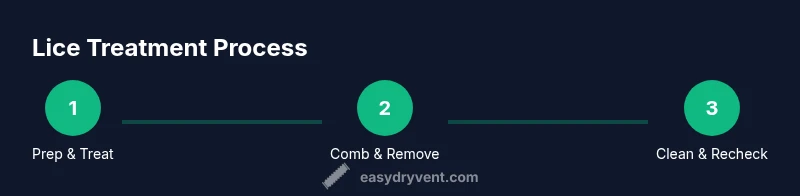
Effective lice management combines mechanical removal with approved chemical treatments and thorough cleaning of the living environment. Key elements include:
- Use medicated pediculicides exactly as labeled, choosing products appropriate for the age of the child and any sensitivities.
- Perform meticulous combing with a fine-toothed lice comb to remove nits and live lice after treatment and during monitoring.
- Treat all household members who are infested or at high risk, to prevent rapid re-infestation. Follow-up checks are essential.
- Clean personal items (brushes, hats, towels) and wash bedding in hot water when possible; seal or bag items that can’t be washed immediately to limit spread.
- Keep nails short and avoid sharing accessories during active infestations to reduce transmission.
How to use a lice comb effectively
A fine-toothed comb is a powerful tool for nit removal and inspection. Start with damp, detangled hair and apply a neutral conditioner to help trap mites on the comb. Work in small sections from scalp to ends, wiping the comb on a tissue after each stroke. Repeat this process daily for at least two weeks or as directed by an OTC treatment plan. Look for nits along the hair shaft near the scalp and remove them carefully using tweezers if necessary. Regular, thorough combing increases the likelihood of removing all lice and eggs when used in conjunction with approved treatments.
Cleaning and preventing re-infestation
Lice and nits can hitch a ride on fabrics, brushes, and headwear. To reduce re-infestation:
- Wash hats, scarves, pillowcases, and towels in hot water (130°F/54°C or higher) and dry on high heat.
- Vacuum upholstered furniture and car interiors where an infested person sat for extended periods.
- Store non-washable items in sealed bags for 2 weeks to starve any lingering lice of hosts.
- Avoid sharing combs, brushes, headphones, and hair accessories during active infestations.
- Recheck all household members at least 7–10 days after treatment and repeat as needed per product directions.
Safety reminders and when to seek help
Heat-based methods should never replace clinically approved treatments. If you notice persistent itching, a large lice burden, or if symptoms worsen after a complete treatment cycle, seek professional medical advice or a school nurse’s guidance. If a child has a severe skin reaction, swelling, or signs of an allergic response to a pediculicide, discontinue use and consult a professional immediately. Regular follow-up checks help ensure the infestation is fully resolved and prevent recurrence.
Tools & Materials
- Fine-toothed lice comb(Metal or sturdy plastic, with very narrow gaps (0.2-0.3 mm) for effective nit removal.)
- Medicated pediculicide shampoo/cream rinse(OTC products containing approved active ingredients; follow label directions.)
- Sectioning clips or hair ties(To divide hair into manageable sections during treatment and combing.)
- Disposable towels or cape(Protect clothing and skin during treatment and combing.)
- Gloves(Optional but helpful to reduce skin contact with products.)
- Bagging supplies (large sealable bags)(For storing unwashed items during treatment window.)
Steps
Estimated time: 60-90 minutes
- 1
Prepare and section
Put on a disposable towel, gather all supplies, and divide long hair into manageable sections using clips. Clear the area to minimize contact with others and set up a mirror for close inspection.
Tip: Work in a well-lit area and keep sections small to ensure you don’t miss lice or nits. - 2
Apply medicated treatment
Follow the product label to apply the pediculicide from scalp outward. Keep the product on for the recommended duration and avoid contact with eyes. Do not exceed the label’s age recommendations.
Tip: If you have sensitive skin, consider a patch test on a small area before full application. - 3
Rinse and dry hair
Rinse thoroughly as directed by the product and dry hair gently. Avoid high heat on the scalp to prevent irritation. If you plan to comb, dampened hair can be easier to manage.
Tip: Use a separate towel for the head area to minimize transfer of lice to other areas. - 4
Comb out nits and lice
Starting at the scalp, comb each section slowly with the fine-toothed comb. Wipe the comb after each pass and inspect the teeth for live lice and nits.
Tip: Work in small increments and repeat every 2–3 days during the treatment window. - 5
Clean environment
Launder blankets, hats, and towels used while infested in hot water. Vacuum areas where the person sat or slept and seal unwashed items in bags.
Tip: Clear surfaces where bugs could hide to reduce re-infestation risk. - 6
Follow-up and recheck
Recheck hair and scalp after 7–10 days and repeat treatment if live lice are detected. Continue combing daily for two weeks to ensure all nits are removed.
Tip: Keep monitoring for at least two weeks to confirm clearance.
Common Questions
Is it safe to use a blow dryer to kill lice?
No. A blow dryer is not a reliable or safe method for killing lice. Heat can cause burns or scalp irritation, and eggs may survive uneven heat, leading to re-infestation. Use proven treatments and thorough combing instead.
No. A blow dryer isn't a safe or reliable way to kill lice; stick to proven treatments and careful combing.
What is the most effective way to treat head lice?
Use a medicated lice treatment exactly as labeled, followed by thorough nit removal with a fine-toothed comb. Recheck after 7–10 days and repeat if live lice are detected.
Use an approved lice treatment as directed, then comb out nits and recheck in about a week.
Can heat help after applying pediculicides?
Heat should not be relied on for lice elimination. After applying pediculicides, focus on combing and environmental cleaning rather than heat-based methods.
Heat isn’t reliable after treatment; combing and cleaning are safer bets.
How do I remove lice eggs (nits) effectively?
Use a fine-toothed lice comb on damp, conditioned hair in small sections. Wipe the comb after each pass and inspect for remaining nits.
Carefully comb through sections of damp hair and wipe the comb after each pass to remove nits.
What items should I disinfect during lice treatment?
Wash hats, scarves, towels, and bedding in hot water when possible; vacuum living areas and seal non-washable items in bags to prevent re-infestation.
Wash or bag items that touched the head to prevent re-infestation.
When should I seek professional help?
If infestations persist after treatment or if you experience severe skin reactions, consult a healthcare professional or school nurse for guidance.
If treatment fails or you notice a severe reaction, seek professional advice.
Watch Video
Key Points
- Avoid heat-based methods as a sole solution
- Combine medicated treatment with meticulous combing
- Inspect and treat all household members when needed
- Clean belongings and environment to prevent re-infestation
- Recheck hair 7–10 days after treatment and repeat if necessary