Yankee Dryer Maintenance: A Practical DIY Guide
Learn practical, safe maintenance for a Yankee dryer, including vent cleaning, lint trap care, and best practices to keep your laundry routine safe and energy-efficient.


A Yankee dryer is a household clothes dryer that uses heated air to remove moisture from laundry. To keep it safe and efficient, prioritize proper venting, regular lint-trap cleaning, and annual inspections. This guide from Easy DryVent walks you through essential steps, common issues, and safety reminders for DIY maintenance.
Yankee Dryer Safety and Everyday Use
A Yankee dryer is a common household appliance, and proper care starts with understanding how it vents hot air and discharges moisture. The Easy DryVent team emphasizes that safety first means reducing lint buildup, ensuring unobstructed vent paths, and inspecting the dryer’s cabinet for signs of wear. In daily use, avoid overloading the drum, as it forces the motor and blower to work harder, which can shorten the appliance’s life and increase energy consumption. When you notice unusual noises, overheating, or longer drying times, treat them as early warning signs and address them promptly. Regular maintenance helps keep the Yankee dryer running smoothly, reduces fire risk, and improves overall drying efficiency. Throughout this guide, you’ll find practical steps you can perform without specialized tools, plus clear indicators when it’s time to call a professional.
Safety-first checks before you begin
Before you reach for any tools, unplug the dryer and turn off the gas supply if you have a gas-powered unit. Inspect the area around the dryer for loose cords, gas lines, or water leaks. A tidy, well-lit workspace reduces the chance of accidentally damaging components or injuring yourself. Easy DryVent notes that most safety incidents stem from neglecting lint in the cabinet or an obstructed vent, so start with a clean slate and a clear path for air to flow.
Understanding your dryer's venting path
Vent path design matters as much as the dryer itself. A Yankee dryer relies on a dedicated vent run to expel moist air outside the home. Short, straight runs with minimal bends encourage efficient airflow and reduce lint accumulation. Use metal ductwork rather than plastic or flexible foil, which can trap lint and pose a fire risk. Check that the vent exit outdoors is unobstructed and sealed to prevent pests or weather from entering. A properly planned vent path also minimizes drying time, saving energy and reducing wear on the heating element.
Lint traps, filters, and routine cleaning
The lint trap is your first line of defense. Clean it before every cycle and inspect the surrounding area for lint buildup inside the drum. Periodically remove the lint screen housing to vacuum or wipe away stubborn debris. Don’t forget the exterior lint path behind the drum and any lint trap housing in the cabinet. Regular cleaning lowers the risk of restricted airflow, which can lead to overheating and longer drying times. For best results, schedule a quarterly lint inspection and keep a simple maintenance log.
Vent installation choices: duct materials and routes
Choosing the right duct material is essential for long-term performance. Metal ducts resist heat and compression better than flexible plastic or foil, and rigid or semi-rigid metal ducts are preferred in most codes. Plan routes that minimize turns and avoid squeezing the duct behind walls or furniture. When securing joints, use appropriate metal foil tape and clamps rather than duct tape, which can degrade and allow leaks. If you live in a multi-story home, ensure the vent path complies with local code requirements and is accessible for inspection.
Maintenance schedule and checklists
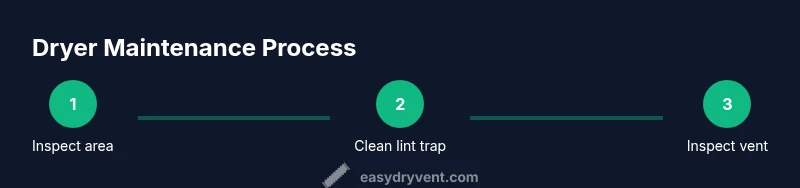
Create a simple maintenance calendar that includes regular lint screen cleaning, vent inspection, and a yearly professional check if possible. Mark dates for cleaning the exterior vent cap, inspecting the wall vent, and checking the dryer’s cabinet for heat marks or discoloration around the exhaust area. Keeping notes helps you spot deterioration trends over time. Easy DryVent recommends pairing a visual inspection with a quick airflow test: verify that air can be felt strongly at the outdoor vent when the dryer runs on high heat.
Troubleshooting common issues
If your clothes come out damp or take twice as long to dry, start with lint removal and vent cleanliness. Overheating, burning smells, or a hot exterior cabinet can indicate restricted airflow or a failing heating element. Check for trapped lint, a clogged exhaust vent, or a kinked duct. A noisy dryer may point to loose panels or a worn belt. In many cases, routine cleaning and minor duct adjustments restore performance without heavy repair costs.
Energy efficiency and cost-saving tips
Better airflow and shorter drying times translate into energy savings. Keep the lint trap clean, minimize the load size, and ensure the vent system is clear. Consider upgrading to a metal duct system if yours is older or damaged. While replacing the entire unit may be tempting, focusing on vent care and routine cleaning yields meaningful efficiency gains and reduces the chance of costly repairs in the future.
DIY vs professional service: when to call a pro
Some tasks are suitable for DIY enthusiasts, including lint trap maintenance, exterior vent cleaning, and basic inspection. However, chimney-like vent runs, fire risk scenarios, gas line work, or disassembly beyond the cabinet require a licensed technician. If you detect natural gas odors, frequent overheating, or a persistent electrical issue, stop work and seek professional help immediately. Easy DryVent recommends annual professional inspections for safer, more reliable operation.
Tools & Materials
- Vacuum with hose attachment(Crevice tool for lint in cabinets and vent grilles)
- Lint brush or microfiber cloth(Used to sweep lint from screens and accessible ducts)
- Screwdriver set (Phillips and flathead)(For panel screws and vent clamps)
- Rotary vent brush (optional)(Helps remove lint in long runs)
- Duct tape (high-temperature metal tape preferred)(Seal duct joints reliably)
- Flashlight or headlamp(Illuminates tight spaces and behind the unit)
- Work gloves(Protect hands from sharp edges and hot surfaces)
- Digital manometer or airflow tester (optional)(For measuring airflow and vent pressure if available)
Steps
Estimated time: 45-60 minutes
- 1
Power down and prepare
Unplug the dryer and turn off the gas valve if you have a gas model. Move the unit away from the wall to access the vent and cabinet without obstruction. This initial step reduces electrical and gas hazards while giving you a clear space to work.
Tip: Lockout the area if others are nearby to prevent accidental re-energizing. - 2
Inspect lint trap and cabinet
Remove the lint screen and clean it thoroughly. Use a vacuum or microfiber cloth to remove lint from the housing and interior cabinet. Check around the drum seal for lint buildup that may indicate a seal wear.
Tip: Take a quick photo of the lint area to track changes over time. - 3
Check the vent path and exterior cap
Inspect the vent duct for kinks, crushing, or detachment. Confirm the exterior vent cap is free of debris and fully open to the outside air. A restricted external vent often causes longer drying times and higher energy use.
Tip: Use a flashlight to inspect the external cap and clear any leaves or nests safely. - 4
Clean the vent duct and joints
If accessible, detach duct joints and clean lint from the ducts using a vacuum and brush. Re-secure joints with metal tape or clamps to prevent air leaks. Avoid using duct tape as a long-term solution near heat sources.
Tip: Work slowly; avoid damaging the duct work while handling it. - 5
Reassemble and test airflow
Reattach all panels, plug the unit back in, and run a test cycle with a light load to observe airflow at the exterior vent. Listen for any unusual noises that might indicate a loose panel or belt.
Tip: Feel the air at the exterior vent; strong airflow confirms a clear path. - 6
Document and schedule maintenance
Record what you cleaned, any parts replaced, and when you plan the next inspection. Maintain a simple log to spot trends and determine if professional service is needed.
Tip: Set a calendar reminder for quarterly lint checks and annual professional reviews.
Common Questions
What is the first sign my Yankee dryer needs maintenance?
Longer drying times, heat in the cabinet, or a burning smell indicate restricted airflow or a component issue. Address these signs promptly by cleaning the lint path and inspecting the vent for obstructions.
Watch for longer drying times and heat buildup; address airflow issues quickly.
Can I replace the vent duct myself?
You can replace metal vent sections if you are comfortable with basic DIY tasks. Ensure joints are sealed with metal tape and clamps. If you encounter gas lines or electrical work, stop and hire a professional.
You can replace metal ducts if you’re cautious, but call a pro for gas or electrical work.
How often should I clean the lint trap and vent?
Clean the lint trap before every load and perform a full vent inspection every 3–6 months depending on usage. A professional inspection annually is also recommended.
Clean the lint trap every load and inspect vents a few times a year.
Is it safe to use a flexible plastic vent?
Plastic vent ducts are not recommended due to fire risk and reduced airflow. Use rigid or semi-rigid metal ducts for better safety and efficiency.
Avoid plastic ducts; choose metal ducts for safety and performance.
When should I call a professional?
Call a professional if you notice gas smells, loud unusual noises, or persistent overheating after cleaning. Electrical issues or repeated malfunctions also warrant expert service.
Call a pro if you smell gas or have ongoing malfunctions.
Watch Video
Key Points
- Inspect and clean lint traps regularly.
- Ensure a straight, metal vent path to outdoors.
- Re-seal joints with metal tape, not duct tape.
- Know when to DIY vs call a professional.