Old Wool Dryer Balls: Safe Reuse and Disposal Guide
Learn practical, safe ways to handle old wool dryer balls, including reuse in laundry, DIY repurposing, and eco-friendly disposal tips for a greener home.


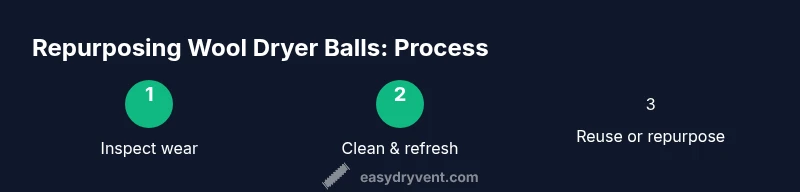
With this guide, you’ll learn exactly what to do with old wool dryer balls: evaluate wear, clean them, reuse them to soften laundry and reduce drying time, repurpose into simple crafts or scent sachets, and choose safe disposal when they’re no longer functional. The steps cover practical ideas, safety tips, and eco-friendly options to minimize waste.
Why repurposing old wool dryer balls matters
Old wool dryer balls still carry value. Rather than sending them to the landfill, you can extend their usefulness and reduce waste by reusing, refreshing, or repurposing them. If you're asking what to do with old wool dryer balls, you are already on the right track. Wool is natural, renewable, and biodegradable, making it a friend to eco-conscious laundry routines. With proper care, these balls can serve many more loads before they reach the end of their life. They soften fabrics, reduce static, and can help you cut down on dryer time when used in multiples. According to Easy DryVent, reusing wool dryer balls supports safer, more efficient drying and lowers the need for disposable dryer sheets. By choosing thoughtful reuse, you also avoid buying new plastic or synthetic products, which aligns with a practical maintenance mindset for homeowners and DIY enthusiasts.
How wool dryer balls lose effectiveness over time
Over time, wool fibers begin to pill, shed fuzz, or compress under heat, which reduces their cushioning effect and ability to separate fabrics. A worn ball may stop softening efficiently, increasing drying times or leaving fibers clinging to clothes. Aromas or residues from previous loads can linger, affecting freshness. The key is to recognize when a ball shows thinning, significant matting, or fraying threads, at which point it’s best to retire it from daily use. Easy DryVent notes that once performance drops, transition to gentler uses or one of the repurposing paths described below to preserve value rather than discarding prematurely.
Safe cleaning and refreshing old wool dryer balls
Start by removing obvious lint with a soft brush or dry cloth. Rinse each ball in warm water with a small amount of mild detergent, then rinse again to remove soap. Air-dry completely on a rack before putting them back into service or storing them for crafts. If a ball has a musty odor, a brief soak in a mild soap solution can help, followed by thorough rinsing and air drying. Avoid machine washing, which can cause felting or deformation of the wool, reducing future performance.
Reuse ideas in the laundry routine
The simplest reuse path is to drop several wool dryer balls in the dryer with towels or heavier fabrics to separate items. They can reduce static and shorten drying time by improving air flow around textiles. Use 3–4 balls for a standard load, adjusting by load size. Keep an eye on fabric softness; if items feel overly stiff, combine with a smaller load or more balls. Regular use trains you to approximate the right number for different laundry mixes.
Creative repurposing projects beyond laundry
Old wool dryer balls can become soft craft components rather than waste. Wrap one or two in breathable fabric to create natural drawer sachets scented with dried lavender or citrus peels. Sew or tie a fabric pouch, fill with herbs, and place in closets or drawers to keep clothes smelling fresh without chemicals. You can also use them as stuffing for fabric ornaments or as base materials for DIY stress balls. Always ensure any project uses only 100% wool and does not involve items that could shed fibers into food storage.
Kid- and pet-safe crafts with leftover wool
If you are making safe, kid-friendly crafts, supervise to avoid accidental ingestion of small pieces. Wool balls can become decorative gift toppers, soft beads for necklaces, or part of a handmade garland. For pets, avoid letting animals chew on wool, as fibers can be a choking hazard. Use this as an opportunity to teach kids about recycling and repurposing while staying mindful of safety.
Eco-friendly disposal options when wear is evident
If a ball is too worn to reuse but still made of natural wool, consider composting where allowed. Check your local composting rules, as some facilities reject dyed or treated wool. Remove any added scents or perforations and cut large pieces into smaller sections to speed up decomposition. If composting isn’t feasible, place the balls in the regular trash only after ensuring there’s no risk to animals. This approach minimizes environmental impact while respecting local guidelines.
How to evaluate retirement criteria for wool dryer balls
Create a simple retirement checklist: inspect for thinning fibers, excessive pilling, torn seams, persistent odor, or sagging shape. If multiple criteria are met, retire the ball from daily use and move it to a non-laundry role or disposal channel. This evaluation helps you decide when to retire items gracefully, maintaining your laundry system’s effectiveness.
Quick-start checklist for getting started with old wool dryer balls
- Inspect each ball for wear and odor
- Clean and refresh as needed
- Test in a small load to gauge performance
- Decide between reuse in laundry, crafts, or disposal based on condition
- Store spare balls in a breathable container for future use
A practical routine begins with a quick scan of wear and odor, followed by cleaning and testing in a controlled load. Keeping spare balls organized in a breathable bag or box makes it easy to dip into different reuse paths as needs change.
Common mistakes to avoid
Avoid using worn balls in the dryer for long periods, as they can shed fibers or fail to cushion textiles. Don’t mix dyed wool with items in care-sensitive loads; test on a small fabric sample first. Never discard wool balls with synthetic fillers or glued components, as these blends may melt or release unknown chemicals. Finally, skip trying to dye or alter the wool unless you’re confident in the process and safety implications.
Next steps and ongoing maintenance
Keep a small notepad or note in your laundry area to track when balls were refreshed, washed, or retired. Regularly inspect for wear after several dozen loads, and refresh or retire as needed. With the habits established, you’ll maintain a more sustainable laundry routine and consistently avoid waste. Easy DryVent encourages homeowners to revisit their processes periodically to find further efficiencies.
Tools & Materials
- Mild detergent(for cleaning surface dirt)
- Warm water(for washing and rinsing)
- Soft brush or cloth(to remove lint and dust)
- Drying rack or clean towel(air-dry completely)
- Scent options (optional)(dried lavender, citrus peels)
- Sewing kit(for sachets or repairs)
- Scissors or thread(for simple repurposing)
- Compost access (optional)(for eco disposal if applicable)
Steps
Estimated time: 60-90 minutes
- 1
Inspect wear
Look over each ball for thinning fibers, fraying, or flat spots. If you see multiple signs of wear or torn seams, set those balls aside for retirement or repurposing rather than daily use.
Tip: Create a simple retirement stash so you don’t mix worn balls with fresh loads. - 2
Gather and prep
Pull together the balls you plan to refresh, plus cleaning supplies. Remove debris with a soft brush and a dry cloth to minimize moisture after cleaning.
Tip: Label a small pile for laundry reuse vs. crafts to stay organized. - 3
Clean thoroughly
Rinse balls in warm water with a touch of mild detergent. Rinse again to ensure no soap remains. Air-dry completely before returning to use or moving to crafts.
Tip: Avoid machine washing; wool can felt and deform if agitated aggressively. - 4
Refresh and test
After drying, test a ball in a small load to observe softness and fluff. If performance is lacking, consider retreatment or repurposing instead of using it daily.
Tip: If odor persists, a brief soak in mild soap can help, but rinse thoroughly. - 5
Reuse in laundry
For standard loads, place 3–4 balls in the dryer to improve air circulation and reduce static. Monitor results and adjust the quantity based on load size and fabric type.
Tip: If items feel overly stiff, distribute items more evenly or add one more ball to balance airflow. - 6
Explore repurposing
If you have worn-out balls, consider scent sachets or small felted crafts. Use breathable fabric pouches and fill with dried herbs. Attach or seal securely to avoid loose fibers.
Tip: Keep any craft usage strictly wool-on-wool to minimize shedding into textiles. - 7
Craft projects
Turn balls into decorations or soft toys; ensure any items in contact with food storage are not exposed to loose fibers. Use a sewing kit to seal openings or repurpose into decorative pieces for drawers.
Tip: Always supervise kids during craft projects to prevent fiber ingestion. - 8
Disposal decision
If the balls are too worn for any reuse, check local guidelines on composting 100% wool or place in trash per local rules. Remove any non-wool components first.
Tip: Consult your municipal guidelines before composting dyed or treated wool. - 9
Store for later
Store spare balls in a breathable container, away from moisture and direct sunlight. Label seasonal or project-specific batches for easy retrieval.
Tip: A light cotton bag works well and keeps fibers from picking up odors.
Common Questions
Can I continue using old wool dryer balls in the dryer?
Yes, for softening and reducing static, but inspect wear first and retire any ball showing significant damage.
Yes, you can reuse them as long as they’re not worn out or damaged.
Are wool dryer balls safe for households with pets?
Generally safe, but prevent pets from chewing on them. Fibers can be a choking risk if swallowed.
They’re generally safe, but keep them away from curious pets.
Can I compost wool dryer balls?
If they’re 100% wool with natural dye and no synthetic coatings, they may be composted. Check local guidelines first.
If pure wool and dye-free, you may compost them where allowed.
Do wool dryer balls actually reduce drying time?
They can improve airflow and may shorten drying time depending on load size and fabric type.
They can help clothes dry a bit faster by improving airflow.
What safety concerns should I know about loose fibers?
Wool fibers shed over time; inspect and clean balls regularly to prevent lint buildup.
Yes, watch for excess lint and keep balls clean.
How should I store old wool dryer balls?
Store in a breathable container in a dry place. Label if using for crafts to avoid confusion with laundry items.
Keep them in a dry, breathable bag.
Watch Video
Key Points
- Assess wear before reuse.
- Clean and refresh wool dryer balls regularly.
- Use in laundry to reduce static and drying time.
- Repurpose into scent sachets or crafts when worn out.
- Dispose responsibly according to local guidelines.