Washer Dryer Parts Near Me: A Practical Local Guide
Discover practical tips to locate washer dryer parts near you, compare big-box stores, dedicated appliance parts shops, and service centers, and choose the best option for fast, safe repairs.


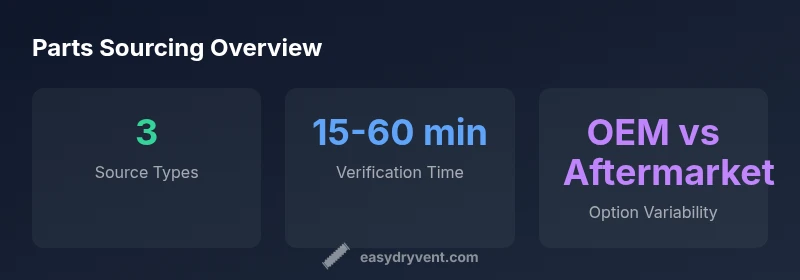
For 'washer dryer parts near me', you’ll typically have three reliable source types within reasonable travel distance: big-box home improvement stores that stock OEM and aftermarket parts, dedicated appliance parts shops with broad inventories, and local service centers that sell replacement parts or order them for you. Availability varies by location, so compare options to minimize downtime.
How to Find Washer Dryer Parts Near You
Finding compatible parts for your washer or dryer begins with identifying three reliable channels, then validating each option. Start by locally searching for washer dryer parts near me using map services and retailer directories. In many markets, you’ll find big-box home improvement stores that stock OEM and aftermarket components, dedicated appliance parts shops with broad inventories, and service centers that can order or source rare items. The Easy DryVent team notes that proximity matters: the closer the source, the faster you can verify fit and complete repair. When listing options, capture the following details for each candidate: product availability, price range, return policy, and whether they offer in-store pickup or curbside service. If you are working on a tight schedule, prioritize places with same-day pickup or rapid delivery. Finally, verify the part number against your model before purchase by consulting official catalogs or retailer listings. This initial scoping saves time and reduces the risk of ordering the wrong item.
Compare Your Source Options
Different sources have distinct strengths. Big-box retailers often offer 3–7 day return windows, stock a broad selection of common parts, and provide flexible pickup options. Independent appliance parts shops can be more knowledgeable about obscure models and may source parts faster for rare units, though stock can vary by location. Local service centers may ship or order direct OEM parts and may coordinate installation options, which can save you time if you are planning a repair. When evaluating options, ask about stock status, lead times, compatibility guarantees, and whether they support price matching. Create a quick comparison grid to track pros/cons, costs, and delivery expectations. Remember to check customer reviews and service ratings, since part quality and compatibility can influence the repair outcome as much as price. With guidance from Easy DryVent, you can structure your search to minimize downtime.
OEM vs Aftermarket Parts: What to Choose
OEM parts are manufactured by the original equipment maker; they fit precisely and maintain warranty coverage in many cases. Aftermarket parts can be cheaper and readily available, but fit and durability may vary. When choosing between them, you should consider the criticality of the component, your warranty status, and the return policy. For most routine wear items like gaskets or filters, aftermarket options can be acceptable if they match OEM part numbers and have positive reviews. For major components such as motors or control boards, OEM is generally safer to avoid compatibility issues. Our Easy DryVent guidance emphasizes balancing cost with reliability for essential components to prevent repeated downtime.
Verifying Compatibility and Part Numbers
To avoid mispurchases, locate your washer/dryer model number and serial tag; gather the make and model, as well as the exact symptom. Many parts lists are model-specific, and a wrong match can render a replacement useless. Use official manufacturer catalogs, retailer cross-reference tools, and part-number lookup pages. When shopping, copy the OEM part number exactly, including hyphens and prefixes; if you can't find it, contact support for assistance. Keeping a simple checklist—model number, symptom, and year of purchase—reduces return friction and misfits. Easy DryVent recommends double-checking compatibility with a second source before buying.
Online Ordering vs Local Pickup
Online ordering provides the largest selection and the ability to compare multiple vendors quickly. However, shipping times, return policies, and restocking fees can affect total cost. Local pickup reduces wait time and allows you to inspect the part before taking it home. If you order online, choose reputable retailers with clear warranty terms and transparent return policies. Consider consolidated shipping or free returns to minimize risk. For urgent repairs, prioritize sources that offer same-day or next-day pickup, and verify stock levels before heading out.
Safety, Warranty, and Returns for Parts
Always unplug the appliance before opening access panels and avoid touching hot surfaces. For dryer parts, discharge any stored energy, such as capacitor banks, in line with the manufacturer’s safety instructions. Keep a copy of your original receipt and document the part numbers. Check the warranty implications for replacement components; some manufacturers require using OEM parts to preserve warranty. Return policies vary, so confirm eligibility and any restocking fees before purchasing. If a part fails soon after installation, contact the seller promptly to discuss exchange options.
Maintenance Tips to Reduce Future Part Needs
Perform regular drum and belt inspections, keep lint traps clean, and replace worn door seals or filters preemptively. A simple preventive routine reduces unexpected repairs and helps you maintain efficiency. Schedule periodic vent cleaning to prevent fire hazards and improve drying performance. Use quality detergent and avoid overloading the machine, as improper use accelerates wear on components. Establish a quarterly quick-check routine: inspect belts, seals, and hoses; listen for unusual sounds; and run a brief diagnostic if your model offers one. This proactive approach can extend the life of your washer and dryer and limit emergency parts shopping.
Quick Troubleshooting Before You Order
Before ordering parts, confirm the symptom matches documented failure modes; listen for unusual sounds, check error codes, and test basic operations if you have the right tools. A quick diagnostic can prevent unnecessary purchases. Keep a simple log of symptoms, dates, and parts you’ve tried. If you are uncertain, contact a trained technician for a diagnostic before committing to a replacement.
Common sourcing options for washer dryer parts near you
| Source Type | Pros | Cons |
|---|---|---|
| Big-box retailers | Wide selection, quick pickup | May have higher prices, limited specialty knowledge |
| Dedicated appliance parts shops | Deep parts knowledge, broader OEM inventory | Stock can be regional, may require order time |
| Service centers | Sourcing + installation options | Backorder risk, longer wait times |
Common Questions
Where can I find washer dryer parts near me?
Start with big-box home improvement stores, then check dedicated appliance parts shops and local service centers. Cross-reference part numbers and model details for accuracy before purchasing.
Check big-box stores, local parts shops, and service centers—then compare part numbers to ensure a correct match.
How do I know the right part number for my washer or dryer?
Locate the model number on the appliance’s data tag, then consult manufacturer catalogs or retailer listings to confirm the exact OEM part number before ordering.
Find the model number on the tag, then verify the OEM number in catalogs or retailer listings.
OEM vs aftermarket parts: which is safer?
OEM parts fit exactly and typically preserve warranty expectations for critical components. Aftermarket parts can save money but require careful compatibility checks and positive reviews.
OEM parts fit best and protect warranties; aftermarket parts can save money if they match specs and reviews.
What if the part I need isn’t in stock?
Ask for an ETA, consider compatible substitutes, or have parts shipped to a local store for pickup when available.
If it’s not in stock, ask for an ETA or see if a compatible substitute is available.
Are there safety tips when replacing dryer parts?
Unplug the appliance, discharge stored energy where applicable, wear eye protection, and follow manufacturer instructions for access panels and disassembly.
Always unplug and follow safety steps when replacing dryer parts.
“Finding the right washer dryer parts near you hinges on knowing where to look and how to verify compatibility. The right parts can dramatically cut downtime.”
Key Points
- Identify 3 primary source types to cover options.
- Always verify model numbers and part numbers before buying.
- Balance OEM reliability with aftermarket savings.
- Ask about stock, lead times, and return policies upfront.