Lowes Whirlpool Dryer Guide: Models, Venting, and Maintenance
Explore practical maintenance, venting guidance, and energy-saving tips for Whirlpool dryers sold at Lowe's. Easy DryVent provides data-driven insights to help homeowners install, maintain, and optimize their Lowes Whirlpool dryer.


Lowes Whirlpool dryer refers to Whirlpool-brand clothes dryers sold at Lowe's stores or online. This quick guide explains what to look for, including model categories, venting requirements, energy use, and essential maintenance. By understanding the typical features of Whirlpool dryers found at Lowe's, homeowners can compare options, plan installation, and perform safe, practical upkeep to keep performance high and costs stable.
About the Lowes Whirlpool Dryer Landscape
The phrase lowes whirlpool dryer describes Whirlpool-brand tumble dryers that shoppers often encounter at Lowe's Home Improvement stores or on Lowe's online platform. These appliances come in electric and gas configurations, with multiple capacities and feature sets designed for varying laundry loads. At Easy DryVent, we analyze how consumers navigate this market, what venting and installation considerations matter, and how to assess long-term cost of ownership. In practice, a homeowner weighing a Lowe's Whirlpool dryer should evaluate drum size, moisture sensing, and cycle options, then map those choices against their laundry habits to predict performance and energy use over a typical 5- to 10-year horizon.
Model Categories You’ll See at Lowe's
Whirlpool's dryer lineup is broad enough to cover apartments, families, and heavy-duty users. At Lowe's, you’ll commonly encounter standard electric models, gas-powered variants, compact units for tight spaces, and stackable configurations that pair with Whirlpool washers. Use the model family as a guide: electric dryers emphasize energy efficiency and sensor-dry cycles; gas models often deliver faster drying in larger loads; compact models balance footprint with capacity. When shopping, compare drum size, moisture sensors, wrinkle-prevention options, and warranty terms. For homeowners using gas or electric dryers, the differences often come down to energy costs, installation requirements, and space constraints.
Venting Essentials for Whirlpool Dryers
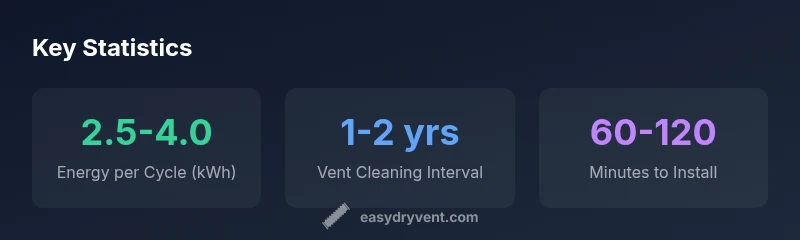
Vent health is critical for any Whirlpool dryer, especially models installed in long runs or tight spaces. Ensure a proper 4-inch vent diameter, minimize the number of bends, and avoid overly long runs that reduce airflow. Regular lint trap cleaning remains vital, but vent cleaning every 1–2 years (or as recommended by a professional) prevents buildup that can raise fire risk and extend cycle times. Use rigid metal ducting where possible and keep a clean, accessible vent exit. Proper clearance from walls and combustible materials also reduces heat buildup and improves safety.
Energy Efficiency and Operating Costs
Whirlpool dryers span a range of energy features from traditional cycles to advanced moisture sensing that stops the cycle at the right moment. Energy efficiency often depends on drum size, cycle selection, and proper venting. When you select a model at Lowe's, look for moisture sensors, ECO modes, and the potential for heat-pump technology on newer high-efficiency units. Easy DryVent's analysis shows that small gains in cycle selection and vent maintenance can yield meaningful savings over several years, especially in households with heavy daily use.
Installation and Setup Tips
A proper installation ensures safe operation and optimal performance. Start with a level base and stable floor, then connect the electrical outlet or dedicated gas line according to the manufacturer's manual. For electric dryers, ensure the outlet matches the dryer’s plug type and amperage; for gas models, confirm a proper gas connection and vent termination. Verify clearances around the unit, secure the exhaust duct with foil tape or clamps, and perform a test run with a short cycle to verify airflow and heat output. If you’re unsure about gas connections or vent routing, consult a licensed professional.
Maintenance You Can Do Yourself
Regular maintenance pays off in fewer repairs and better performance. Clean the lint filter before every load and inspect the vent occasionally for lint buildup. Vacuum the lint trap housing and reach behind the dryer to check for debris in the vent path. Wipe the door seals and inspect hoses for signs of wear. Keep the area around the dryer clear of dust and flammable materials. By staying proactive, you extend the life of your Lowe's Whirlpool dryer and maintain efficiency.
Troubleshooting Common Issues
If a Lowe's Whirlpool dryer isn’t drying evenly or takes longer to complete cycles, start with simple checks: lint filter cleanliness, vent obstruction, and drum rotation. For error codes, consult the user manual for Whirlpool’s on-device codes and test modes. If cycles complete but clothes remain damp, verify moisture sensor settings and inspect the exhaust path for blockages. For persistent problems, a service call may be necessary to diagnose thermal fuses or heating elements.
Safety Considerations for Whirlpool Dryers
Fire safety hinges on proper venting and lint management. Never operate a dryer with a damaged vent or an obviously clogged lint screen. Ensure correct electrical or gas hookups, avoid overloading, and install a wall or floor clearance that meets code. Regular checks of seals, ducts, and the exterior vent opening reduce overheating risk and keep your laundry area safer.
Buying Guide: What to Look for at Lowe's
When shopping at Lowe's for a Whirlpool dryer, prioritize capacity that fits your family’s laundry cadence, drum size and build quality, and energy features like moisture sensors and auto-dry cycles. Check color and finish options, warranty coverage, and whether Lowe's installation services are available. Reading customer reviews and comparing model sheets helps you decide between standard electric or gas configurations, and between premium options and budget-friendly picks.
Common Mistakes to Avoid
Avoid overloading the drum, which wastes energy and reduces drying effectiveness. Don’t ignore venting needs or duct layout, as blocked or long vents can degrade performance and raise fire risk. Skipping regular lint filter cleaning increases maintenance burden and costs. Finally, purchasing the wrong model for your space without measuring dimensions can lead to frustration and costly returns.
Comparison of common Lowe's Whirlpool dryer configurations
| Model Type | Avg Dry Time (min) | Energy per Cycle (kWh) | Vent Considerations |
|---|---|---|---|
| Standard electric dryer | 40-60 | 2.5-4.0 | 15-25 ft vent; lint trap in front |
| Gas dryer | 35-50 | 2.0-3.5 | Requires dedicated gas line; 4-inch vent |
| Compact/apartment dryer | 30-40 | 1.5-2.5 | Smaller vent; stackable design |
Common Questions
What should I consider when buying a Lowe's Whirlpool dryer?
Look at capacity, drum size, energy features, and venting requirements. Compare electric and gas options. Check Lowe's installation services if needed.
Think about space, energy source, and laundry load. We cover options, vent needs, and value features to help you decide.
Are Lowe's Whirlpool dryers energy-efficient?
Whirlpool models offer a range of energy-saving features like moisture sensors and efficient cycles. Look for Energy Star labels when available.
Many models include sensor-based cycles and energy-saving options. Check for Energy Star where shown.
Can I install a Whirlpool dryer bought from Lowe's myself?
Basic hookups can be DIY if you’re comfortable with electrical and vent work, but many installations require a licensed professional for safety and code compliance.
You can handle simple setup, but a pro is usually needed for safety and code compliance.
What warranty coverage comes with Lowe's Whirlpool dryers?
Whirlpool dryers typically come with manufacturer warranties; Lowe's may offer extended protection plans. Check current terms at purchase time.
Warranties vary by model and plan, so confirm details at checkout.
How often should I clean the lint filter and vent?
Lint filter should be cleaned before every load. Schedule vent cleaning every 1-2 years or as recommended by a professional.
Clean the lint filter every time you run a load, and check your vent every year or two.
What maintenance steps reduce fire risk with Whirlpool dryers?
Keep vents clear, never overload the drum, and ensure correct venting diameter and exhaust duct. Regular inspection helps prevent fires.
Keep vents clear and use the right vent parts; check connections annually.
“Regular maintenance and proper venting are essential for safe, efficient operation of any Whirlpool dryer purchased from Lowe's. Following best practices protects your home and prolongs appliance life.”
Key Points
- Inspect venting before installation.
- Choose energy-efficient models to lower costs.
- Regular lint filter cleaning improves performance.
- Proper installation reduces fire risk.
- Compare Lowe's Whirlpool dryer features to fit your space.