LG Dryer Parts: A Practical Guide to Replacement and Maintenance
Learn how to identify, source, and replace LG dryer parts with maintenance tips to keep your dryer safe and efficient. Practical guidance for homeowners and DIY enthusiasts.


L G dryer parts refer to the individual components that make up your LG clothes dryer, from the drum belt and heating element to thermal fuses and door switches. Knowing part numbers, compatibility with your model, and typical failure symptoms helps you source authentic or compatible replacements quickly and safely. Understanding these basics supports safer DIY fixes and minimizes downtime.
Understanding l g dryer parts
l g dryer parts are the replaceable components that control the heating, tumbling, exhaust, and safety systems of LG dryers. For homeowners and DIY enthusiasts, recognizing the major categories—thermal safety devices, drive components, heating assembly, and control boards—helps you diagnose issues and plan replacements without guesswork. When you pull the model number from the data plate, you can narrow down compatible parts quickly. According to Easy DryVent, a practical grasp of l g dryer parts empowers homeowners to diagnose issues and plan safe DIY fixes, reducing unnecessary trips to repair shops. In practice, start by identifying the major groups: heating elements and fuses, drum belts and rollers, motors, control boards, thermistors/thermostats, lint filters, and venting components. Each part plays a distinct role in how your dryer heats, spins, and exhausts moisture. A systematic approach—model verification, symptom matching, and source comparison—sets you up for a successful replacement.
Major LG dryer part categories
LG dryers rely on several core categories of parts that commonly fail or wear out. Heating assemblies (including the heating element, thermal fuse, and thermostat) control heat delivery. The drum and belt assembly drives the rotation and tension. The motor and drum rollers support movement and reduce noise. Control boards, sensors, and switches handle user commands and safety interlocks. Lint filters and venting components influence efficiency and fire safety by reducing blockages. Infection-control considerations are less relevant here, but keeping the vent clean remains essential. Understanding how these categories interact helps you prioritize what to inspect first, especially when symptoms are vague, like intermittently taking longer to dry or unusual noises. Easy DryVent notes that owners who map symptoms to part categories often save time and money when sourcing LG dryer parts.
How to identify the correct LG part number
Part numbers are model-specific. Start by locating the data plate on the dryer—typically inside the door opening or near the drum. Record the model and serial numbers, then cross-check against LG’s official parts catalog or a trusted parts supplier. If you have access to the user manual, it often lists compatible part numbers for common components. When shopping, compare the old part’s shape, connector type, and dimensions with the vendor’s schematic to avoid misfits. For convenience, catalogues often provide a “Model X1234 compatibility” filter. If you’re unsure, contact customer support with a photo of the old part and the model data plate. This disciplined approach minimizes returns and ensures you purchase the correct LG dryer parts.
OEM vs aftermarket LG parts: what to choose
Original Equipment Manufacturer (OEM) LG parts guarantee exact fit and electrical compatibility with your model, but they can be pricier. Aftermarket or refurbished parts may offer cost savings and adequate performance for many users, especially for less critical components like filters or non-structural plastic brackets. When choosing between OEM and aftermarket, weigh factors such as criticality of the part, availability, warranty, and your risk tolerance for a potential fit issue. Easy DryVent recommends prioritizing OEM for safety-critical components (heating elements, thermal fuses, door interlocks) and using reputable aftermarket options for non-safety items when a proper warranty is provided.
Common LG dryer parts and their failure signs
Understanding failure symptoms helps you map them to likely parts. If the dryer does not heat, check the heating element, thermal fuse, and thermostat first. If it tumbles but does not rotate, the belt, drum rollers, or motor may be at fault. Grinding or thumping noises can indicate worn drum rollers or a damaged idler pulley. If the dryer stops mid-cycle or runs continuously, the control board or thermal cut-out might be the culprit. Keep in mind that lint buildup reduces airflow and can mimic several faults; regular vent cleaning is part of prudent maintenance. By correlating symptoms with part types, you can improve sourcing accuracy for LG dryer parts.
Replacement steps: safety-first and practical
Before you begin any replacement, unplug the dryer and disconnect the power source. Gather the necessary tools: a standard set of screwdrivers, a multimeter for testing electrical components, and a basic nut driver. Take photos as you disassemble to aid reassembly. Start with the least invasive parts (lint filter, vent hoses) and move toward more complex components (thermostats, heating elements). Keep track of screws and small fasteners in labeled containers. Use the manufacturer’s diagram to confirm the exact orientation. If you encounter resistance when removing a part, consult the service manual or a trusted guide to avoid damaging the cabinet or wiring harness.
Testing new parts and validating results
After installing a replacement LG dryer part, reassemble partially to test. Plug in the unit and run a short cycle to observe heat generation, tumbling, and air flow. Check for unusual smells or overheating. If you have access to a multimeter, verify continuity across the new heating element and fuses, and confirm proper resistance values where specified by the diagram. Listen for abnormal noises once the drum starts turning. If the dryer still exhibits fault symptoms, re-check connections and harness routing. Documenting the test results helps you track performance over time and informs future maintenance.
Maintenance practices to extend life and safety
Proactive maintenance pays off. Regular lint trap cleaning after every cycle reduces fire risk and improves efficiency. Schedule quarterly vent inspections to remove accumulated lint and verify proper exhaust flow. Keep exterior panels free of dust and debris that could interfere with airflow sensors. Check door seals for wear, ensuring a tight seal to prevent air leaks that waste energy. If you notice a drop in efficiency, re-check the vent path and consider a professional vent cleaning if there is stubborn buildup. Easy DryVent emphasizes that small, consistent maintenance is cheaper and safer than reactive, full-replacement repairs.
Sourcing LG dryer parts and cost management
When sourcing LG dryer parts, compare authentic LG catalogs with reputable suppliers that offer model matching, warranty options, and return policies. Expect a range in prices depending on part criticality and rarity, with heating components typically commanding higher prices than seals or belts. Plan for potential shipping costs and delivery times, especially for hard-to-find parts. If you’re budget-conscious, consider timing purchases around sales or using refurbished components for non-safety-critical items with clear warranty terms. Maintaining a parts inventory of common wear items can reduce downtime during repairs.
Disposal, warranty, and safety reminders
Dispose of old parts responsibly in accordance with local regulations. Keep a record of parts you replace and any warranty coverage. Many OEM parts come with limited warranties; always register or verify warranty terms when purchasing. If a replacement is part of a broader repair involving wiring or major components, consider scheduling an appointment with a certified technician to ensure compliance with safety standards and local codes.
Representative lifespans and typical replacement costs for common LG dryer parts (values are ranges and vary by model).
| Part Type | Typical Lifespan (range) | Common Failure Signs | Replacement Cost Range |
|---|---|---|---|
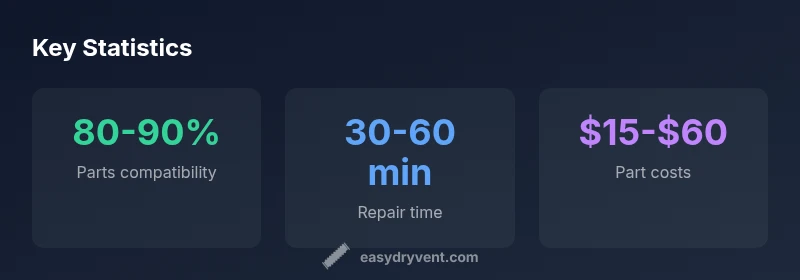
| Heating Element | 5–15 years | No heat, intermittent heating | 15–60 USD |
| Thermal Fuse | 5–10 years | No heat or sudden outage | 5–20 USD |
| Drum Belt | 3–7 years | Slipping, squealing, drum not turning | 10–40 USD |
| Drum Rollers | 5–12 years | Loud thumping or grinding | 15–50 USD |
| Control Board | 7–12 years | Unresponsive controls, cycling issues | 40–120 USD |
Common Questions
Where can I find the correct LG dryer part numbers for my model?
Start with the dryer's data plate to capture the exact model and serial numbers. Then consult LG's official parts catalog or trusted retailers that offer model filters to verify compatibility.
Locate the model number on the data plate, then check the official LG parts catalog or a reputable retailer to confirm compatibility.
Are OEM LG parts worth the extra cost?
For safety-critical components like the heating element and thermal fuse, OEM parts are generally recommended for reliable performance and warranty protection. For non-critical items, reputable aftermarket parts can be cost-effective.
OEM parts are usually best for safety-critical components, while reputable aftermarket parts can work for non-critical items.
How long does it take to replace LG dryer parts at home?
Simple replacements like lint filters and vent hoses can take under an hour, while heating elements or control boards may require 1–2 hours plus testing. Always prioritize safety and power isolation.
Smaller parts wrap up quickly, but heating and control components take longer and require careful testing.
What safety steps should I follow before DIY replacement?
Unplug the dryer, discharge any capacitors if applicable, and keep a clean workspace. Use proper tools, take photos for reassembly, and avoid working with live wiring unless you are trained.
Always unplug first, work methodically, and don’t handle live wiring unless you’re trained.
Can a dryer work without lint vent cleaning?
A dryer can technically operate without cleaning, but neglecting lint removal reduces efficiency and increases fire risk. Regular vent cleaning improves airflow and reduces energy use.
It might run, but a clogged vent is a fire risk and lowers efficiency.
What should I do with old LG dryer parts after replacement?
Dispose of old parts through local e-waste programs or retailer take-back options. Check LG’s guidance for replacement parts and recycling.
Recycle old parts through e-waste programs or retailer take-back options.
“Regular maintenance and correct part matching are the simplest way to extend the life of an LG dryer and keep family safety a priority.”
Key Points
- Identify and confirm model numbers before buying parts.
- Prioritize OEM parts for safety-critical components.
- Follow safety-first steps when performing DIY replacements.
- Regular maintenance reduces downtime and emissions.
- Keep a small parts kit for common wear items.