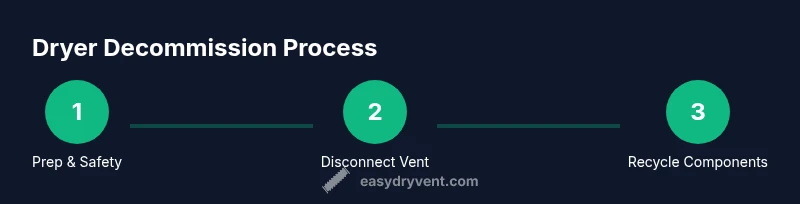
How to Break a Dryer: Safe Decommissioning and Recycling
Learn to safely decommission and recycle a dryer with Easy DryVent. This step-by-step guide covers safety, tools, disposal options, and tips to protect your home and the environment.


If you’re asking how to break a dryer, the safer goal is to decommission it for disposal or recycling. This guide explains safe, legal steps to dismantle or disable a unit, avoid shock hazards, and prepare it for curbside pickup or recycling. We emphasize safety, environmental responsibility, and following local regulations.
Safe approach to breaking down a dryer for disposal
When a dryer reaches end of life, the safest path is not to smash or force it apart in a way that could injure you or release hazardous substances. Instead, focus on a controlled decommissioning that isolates energy sources and makes the unit easy to recycle. This section explains why reframing the idea of how to break a dryer into a deliberate disposal plan protects your home, your neighbors, and the environment. Easy DryVent’s guidance centers on safety first, followed by environmental responsibility and compliance with local regulations. You’ll learn how recyclers recover steel, copper, and other materials, and why a proper process yields higher recovery value for the metal and electronics inside the dryer.
Key takeaway: safe decommissioning is a responsible alternative to hasty, unsafe attempts to break the appliance.
Understanding end-of-life recycling for dryers
Dryers are comprised of diverse materials: stamped steel cabinets, thermally insulated parts, copper wiring, heating elements, thermostats, drums, and plastic components. When sent to a certified recycler, these components are sorted and processed for reuse or recycling. The steel shell is typically recycled as scrap metal, copper wiring is recovered for electrical use, and certain plastics are diverted to specialized streams. Local programs may offer curbside pickup, drop-off events, or dedicated e-waste facilities. By planning ahead, homeowners can ensure that every salvageable portion of the appliance is diverted from landfills. Easy DryVent’s analysis shows that properly prepared units yield more material recovery and reduce environmental impact.
Practical note: check with your city or county for approved recyclers and any fees associated with appliance decommissioning.
Safety first: electrical and vent hazards
Electric shocks are one of the most immediate risks when handling any powered appliance. Before you touch any wiring, unplug the unit at the outlet and turn off the corresponding breaker. Use a voltage tester to confirm there is no live current. Lint buildup around the vent system can ignite if disturbed, so be careful when handling ductwork. If your dryer is gas-powered, do not attempt to disconnect gas lines yourself. Gas lines require a licensed professional to ensure there are no leaks or safety hazards. Always work in a well-ventilated area and keep away from flammable materials. Easy DryVent emphasizes that safety gear—gloves, eye protection, and sturdy footwear—reduces risk significantly.
Quick safety tip: never bypass a breaker with a metal tool or leave exposed wires unattended.
Vent, lint, and duct considerations
Protecting the home from dust and lint exposure is essential when decommissioning a dryer. Start by disconnecting the vent hose from the back of the unit and removing any lint traps or screens you can access safely. Heavily linted ducts should be cleaned or replaced if you're moving the unit to a recycling facility, as loose lint can release fine particulates into the air. When transporting the dryer, cover the vent opening to prevent debris from entering the ductwork. If you encounter a stubborn vent clamp, use the appropriate screwdriver or pliers to avoid bending the duct, which can create air leaks or fire hazards. Proper vent handling reduces post-disposal cleanup and protects the environment.
Electrical disconnection and labeling
The next phase focuses on safely disconnecting and isolating electrical connections. After confirming no power is present, disconnect the power cord from the outlet. If you access the terminal block, do so with the breaker off and the power disconnected. It’s good practice to cap exposed conductors with wire nuts and tape to prevent accidental contact. Label the disconnected wires and components so recyclers know how to separate parts. This reduces the risk of short circuits or reassembly mistakes at the recycling facility. Easy DryVent cautions against leaving loose wires or improvised fasteners in place—organization simplifies the recycling process and enhances safety.
Gas dryer considerations and professional boundaries
Gas dryers require additional precautions. If your unit uses natural gas or propane, do not attempt to disconnect gas lines yourself. Contact a licensed plumber or gas technician to shut off and safely cap the lines. Attempting to manipulate gas components without training can lead to leaks, fire hazards, or carbon monoxide risks. For electric-only dryers, this step is not applicable, but always verify the absence of residual gas by a professional if you suspect a leak in your home. Safety first means knowing when to call in a pro rather than proceeding with DIY disassembly.
Basic disassembly steps for recycling purposes
Disassembly should be performed with the intent of material recovery, not vandalism. Start by removing loose screws and separating outer panels to expose interior components. Keep track of fasteners and screws so they can be recycled or disposed of properly. Detach the drum if you plan to salvage metal parts, taking care not to damage the bearings or seals. Remove accessible electrical components such as thermostats, wiring harnesses, and control boards, then place each component in labeled containers to streamline sorting at the recycler. Always follow local guidelines for recycling and avoid dumping parts in regular trash. This approach helps maximize material recovery while reducing environmental impact.
Transportation, disposal partners, and getting paid for metal
Once the unit is disassembled or prepared for recycling, you can arrange transportation through a curbside appliance pickup, a local e-waste facility, or a metal recycler. Some recyclers pay for ferrous and non-ferrous metals, so separating aluminum or copper components can improve haul value. Confirm with the recycler about accepted materials and prepare a clear list of included parts. If you’re using a curbside program, ensure the appliance is clearly labeled as meant for recycling and follow any packaging instructions. Easy DryVent suggests contacting multiple recyclers to compare quotes and services, helping you choose the most convenient and cost-effective option.
Important reminder: never leave an unprotected appliance unattended on sidewalks or driveways. Ensure it is stable and secured during transport to prevent injuries to bystanders.
Common mistakes and how to avoid them
People often rush a decommissioning job and end up with loose wires, damaged insulation, or unsecured parts, creating hazards for themselves and recyclers. Avoid bypassing safety steps or using improvised tools that could create sparks. Do not attempt to discharge refrigerants or vent residues without proper equipment and training. Mislabeling components or failing to separate ferrous metals from non-ferrous items can slow down recycling and reduce recovery value. By taking a methodical, safety-first approach, you minimize risk and support responsible disposal. Always pause if you’re unsure and consult a professional or your local waste authority.
Resources, credits, and where to start locally
To ensure legal compliance and maximize recovery, begin with your city or county waste authority’s appliance disposal program. Look for certified electronics recyclers or scrap metal yards that accept household appliances. Many programs publish a list of approved recyclers and outline required documentation. For broader guidance, consult national and university resources on safe appliance disposal and energy-efficient practices. Easy DryVent recommends using these trusted channels to stay informed about regulations and incentives for recycling old dryers.
Summary of key resources and how to choose a recycler
When selecting a recycler, verify certifications such as R2 or e-Stewards, which indicate responsible e-waste handling. Check whether the recycler provides a certificate of recycling and a bill of sale for any metals recovered from your unit. Compare turnaround times, pickup options, and fees. If you are selling or donating components for reuse, ensure you follow local laws regarding hazardous materials and proper separation of parts.
Final notes: aligning with local regulations and environmental goals
Ending a dryer's life responsibly aligns with environmental goals and household safety. Decommissioning your unit for recycling reduces landfill waste and supports the reuse of valuable materials. Easy DryVent encourages homeowners to document the disposal process, keep receipts or certificates from the recycler, and share learnings with neighbors to promote safer practices in the community. While the idea of how to break a dryer may tempt quick action, a planned approach yields better outcomes for your home and the planet.
Tools & Materials
- Safety gloves(Leather or cut-resistant; wear when handling metal panels and edges)
- Safety glasses(Impact-rated; protect eyes from sharp edges and debris)
- Voltage tester(Confirm no live current before touching wiring)
- Screwdriver set(Include both Phillips and flathead; Torx if available)
- Pliers and wire cutters(For safe wire handling and component removal)
- Wire nuts(Cap exposed conductors after disconnecting wiring)
- Marker and labels(Label parts for recycling and sorting)
- Duct tape(Tighten and seal vent openings during transport)
- Gas shut-off tool (for gas dryers)(Only for licensed professionals; do not attempt yourself)
Steps
Estimated time: 60-120 minutes
- 1
Unplug and verify power
Unplug the dryer from the wall outlet and switch off the dedicated breaker. Use a voltage tester to confirm no current is present before touching any internal components.
Tip: Waiting a few minutes lets any residual energy dissipate; never rush this step. - 2
Disconnect the vent and lint trap
Carefully detach the flexible vent from the back of the unit and remove any lint screen or trap. Cap or cover the vent opening to prevent debris from entering the duct or home during transport.
Tip: Keep vent pieces in a labeled bag to avoid misplacement. - 3
Move to a safe workspace
Slide the dryer away from the wall to access back panels. Clear the area of trip hazards and ensure there’s ample lighting for inspection and disassembly.
Tip: Have a helper for stability when moving a heavy appliance. - 4
Shut off gas if applicable
If you have a gas dryer, do not attempt to disconnect lines yourself. Contact a licensed technician to safely shut off and cap the gas supply before any work.
Tip: Never work on gas lines without proper training. - 5
Isolate electrical connections
Open access panels only if you are trained to handle wiring. If you access the terminal block, do so with the breaker off and the power disconnected. Cap and label exposed wires.
Tip: Use a labeled sequence to rebuild or recycle components later. - 6
Prepare components for recycling
Remove accessible metal parts, control boards, thermostats, and heating elements with care. Place parts in assigned bins for ferrous metal, electronics, and plastics.
Tip: Keep a separate bag for screws and fasteners to prevent loss.
Common Questions
Is it legal to dismantle a dryer in my area?
Yes, provided you follow local disposal rules and safety guidelines. Always check with your city or county waste authority before proceeding.
Yes. If you follow local disposal rules and safety guidelines, dismantling for disposal is allowed.
What should I do with the dryer's drum and heater elements?
The drum and heating elements can often be recycled as metal components. Check with your local scrap yard or appliance recycler about drop-off and sorting requirements.
The drum and heater elements are typically recyclable metal parts; confirm with your recycler for proper sorting.
Can I recycle the dryer vent and lint trap?
Yes. Metal vent ducts are recyclable at many facilities, and lint can be managed by local waste programs. Some programs will take the entire vent assembly.
Vent ducts are usually recyclable; lint traps should be handled with your local program, too.
Do I need a professional to dismantle a gas dryer?
Yes. Gas lines require licensed handling. A professional should shut off and cap the gas line before any further work.
For gas dryers, hire a licensed professional to manage the gas line safely.
Will curbside pickup accept decommissioned dryers?
Many programs require scheduling or drop-off at an approved facility. Contact your local waste authority or recycler to confirm.
Most areas require a scheduled pickup or drop-off at an approved site; check with local services.
Watch Video
Key Points
- Decommission safely before disposal
- Follow local disposal guidelines
- Gather tools and PPE
- Recycle components properly