Hair Dryer for Beginners: A Practical How-To Guide
Learn essential techniques and safety tips for using a hair dryer as a beginner. This step-by-step guide covers settings, airflow, heat control, and common mistakes.


With this guide, you will learn how to safely use a hair dryer for beginners, selecting beginner-friendly settings, and avoiding common mistakes. You’ll understand how to prepare damp hair, choose heat and airflow, and finish with gentle styling tips. According to Easy DryVent, starting on a cool or low heat setting reduces heat damage and speeds up learning.
Why a Hair Dryer for Beginners Matters
Learning to use a hair dryer for beginners unlocks consistent styling, faster routines, and healthier hair when done correctly. A dryer that fits your needs—lightweight, easy controls, and reliable heat management—lets you practice without frustration. By mastering the basics, you can reduce heat exposure, protect hair cuticles, and build confidence for more advanced styling. Easy DryVent recommends starting with simple, controlled sessions to prevent damage and establish a solid routine. As you progress, you'll notice smoother blowouts, improved curl definition, and less reliance on salon visits. This section sets the foundation for a practical, safe drying routine that works for most hair types and lifestyles.
What to Look For in a Starter Hair Dryer
When choosing a beginner-friendly dryer, prioritize weight, balance, and straightforward controls. Look for a wattage range that offers stable heat without extreme bursts—typically 1000–1600 watts is comfortable for most beginners. Opt for adjustable heat and speed settings, plus a cool shot to seal style. Attachments matter: a concentrator helps smooth outcomes on straight or wavy hair, while a diffuser supports natural textures without frizz. Consider ceramic or tourmaline components for gentler heat. A well-designed handle and low noise level also boost comfort, making practice more enjoyable. Finally, check for a removable filter for easy cleaning and longer tool life.
Safety First: Heat, Electrical, and Fire Risks
Safety should guide every step of learning to use a hair dryer for beginners. Never operate a dryer with the cord frayed or in a damp environment. Keep the dryer at least 6–8 inches away from your hair and scalp to prevent heat hotspots. Avoid clamping the dryer against hair or skin, and don’t leave it unattended while powered on. Use a lower heat setting initially and gradually increase only as your technique improves. If you notice a burning smell or overheating, power down and inspect the air intake and filters. Following these safeguards reduces the risk of burns, electrical faults, and dryer malfunctions.
Setting Up Your Dryer: Heat, Speed, and Attachments
A clear setup helps you progress from basic to refined styling. Start with a cool shot off, then select the lowest heat setting that allows you to dry hair without excessive tugging. Use a low to medium speed to maintain control while moving the dryer smoothly along the hair shaft. Attachments matter: a concentrator focuses airflow for sleek blowouts, while a diffuser distributes heat more softly for curls. Keep the nozzle clean and away from the scalp to prevent buildup and overheating. Remember: the goal is steady, even drying, not blasting hair into dryness.
Prep Your Hair for Drying
Effective prep reduces frizz and shortens drying time. Gently towel blot hair to remove excess water—press, don’t rub to avoid breakage. Apply a heat-protectant product designed for your hair type, focusing on mid-lengths and ends. Detangle with a wide-tooth comb starting at the ends and working upward to prevent snagging. Sectioning hair into manageable chunks with clips helps you direct airflow evenly and avoid missing spots. A little prep work now yields cleaner, faster results later.
Troubleshooting Common Issues
If your hair looks frizzy or puffy after drying, you may be using too high heat or moving too slowly in one spot. Revisit your technique: keep the dryer moving in smooth, continuous sweeps and avoid lingering on one area. If your roots stay damp, resection sections and target the roots first with a narrow stream of airflow. For curly or textured hair, use a diffuser and keep temperatures moderate to preserve shape without drying out the curls. Remember to cool-set sections with the cool shot to lock in the style.
Maintenance and Care for Longevity
Regular maintenance extends the life of your hair dryer and ensures safety. Clean the intake filter every few weeks to prevent overheating and reduced airflow. Wipe the nozzle and attachments with a damp cloth to remove product buildup. Store the device in a cool, dry place away from direct sunlight, and never wrap the cord tightly around the dryer. Inspect the cord for wear and replace if any damage is detected. Proper care keeps your dryer reliable for many beginners' styling sessions.
Authority Sources and Further Reading
For safety and best practices related to electrical devices and heat tools, consult reputable sources. Visit OSHA for electrical safety guidelines, CDC/NIOSH for general heat exposure and consumer safety recommendations, and NIST for consumer product safety principles. These resources support responsible use of heat tools as you build your skills with a hair dryer for beginners.
Practical Wrap-Up: Putting It All Together
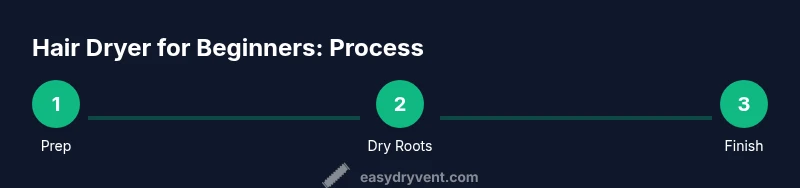
As you practice, maintain a consistent routine: prep hair, apply protection, section, dry with controlled movements, and finish with a cool shot. With time, you’ll reduce drying time, minimize damage, and achieve reliable blowouts. Keep expectations realistic—mastery comes from steady, focused practice and mindful adjustments based on your hair type and goals.
Tools & Materials
- Hair dryer(Choose a model with adjustable heat/speed and a cool-shot option; lightweight for comfortable use.)
- Heat-protectant spray or serum(Apply evenly through damp hair to reduce heat damage.)
- Comb or brush (wide-tooth for detangling)(Detangle before blow-drying to prevent breakage.)
- Sectioning clips(Use to divide hair into manageable portions.)
- Diffuser attachment (optional for curls)(Helps distribute heat more evenly and preserve curl pattern.)
- Concentrator nozzle(Directs airflow for smooth, controlled results.)
- Microfiber towel or T-shirt(Blot excess moisture gently without causing frizz.)
- Mirror and timer (optional)(Helpful for monitoring progress during practice sessions.)
Steps
Estimated time: 15-25 minutes
- 1
Prepare hair
Start with towel-blotted hair to remove excess moisture. Gently brush from ends to roots, detangling knots while minimizing breakage.
Tip: Keep sections small to maintain control and even drying. - 2
Apply heat protection
Apply a heat-protectant evenly from mid-lengths to ends. Avoid applying too close to the scalp to prevent buildup near the roots.
Tip: Distribute product with a wide-tooth comb for even coverage. - 3
Section hair
Divide hair into 4–6 sections using clips. Working in sections ensures consistent heat distribution and prevents over-drying any area.
Tip: Start with the bottom layers first for efficiency. - 4
Dry roots with low heat
Set heat to low and speed to low. Place the concentrator near the scalp and work from roots to mid-lengths in small vertical passes.
Tip: Keep the dryer moving to avoid heat concentration on one spot. - 5
Move to mid-lengths and ends
Switch to mid-lengths and ends after roots are mostly dry. Use smooth, downward motions to minimize frizz and lift.
Tip: Angle the dryer slightly downward to seal the cuticle. - 6
Use diffuser if needed
If you have curls, attach a diffuser and use gentle circular motions. Maintain moderate heat to enhance texture without dryness.
Tip: Avoid swirling too aggressively to prevent frizz. - 7
Finish with a cool shot
Hold the cool shot for a few seconds on sections to set their shape. This helps lock in smoothness and shine.
Tip: Cool setting should feel refreshing, not forced. - 8
Inspect and store
Check for any damp spots, then power down and store with attachments clean and dry. Unplug after use.
Tip: Clean the filter monthly to maintain airflow.
Common Questions
What settings should a beginner start with on a hair dryer for beginners?
Begin with low heat and low speed. Use a cool shot sparingly until you’re comfortable controlling the airflow and heat. Gradually increase heat as your technique improves.
Start with low heat and low speed, then add the cool shot as you gain control. Gradually increase heat as your technique improves.
Do I need a diffuser for all hair types when learning to use a hair dryer for beginners?
A diffuser is beneficial for curly or wavy hair to preserve texture, but a concentrator works well for straight hair. Choose attachments based on your hair type and desired outcome.
A diffuser helps with curls; a concentrator is great for straight hair. Pick attachments based on your hair type.
Can I dry my hair on wet or dripping-wet hair when learning to use a hair dryer for beginners?
Avoid drying soaking-wet hair. Gently towel-dry first, then use the dryer. Wet hair can overheat and cause more damage.
Don’t dry soaking-wet hair. Towel-dry first, then use the dryer to avoid damage.
How long should a beginner practice before seeing noticeable results?
Regular short practice sessions (about 10-15 minutes, several times a week) help you build control and reduce overall drying time over time.
Practice a few minutes several times a week to build control and speed.
Are ceramic or ionic dryers better for beginners?
Ceramic dryers tend to provide gentler, more even heat, while ionic models can reduce frizz. Look for adjustable heat and reliable airflow rather than chasing a single technology.
Ceramic offers gentle heat and even drying; ionic can reduce frizz. Choose a model with adjustable settings.
Watch Video
Key Points
- Master basic prep and heat protection.
- Use controlled movements and moderate heat.
- Finish with a cool shot to set the style.
- Regular maintenance extends tool life.