D80 LG Dryer Maintenance: Safe and Efficient Drying
Learn how to safely maintain your d80 lg dryer with Easy DryVent's expert steps. Clean lint, clear vents, verify airflow, and extend the dryer's life with practical, beginner-friendly guidance.


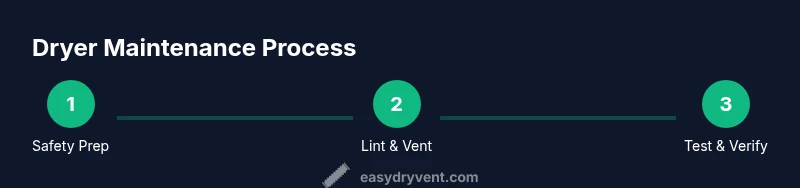
According to Easy DryVent, maintaining a d80 lg dryer involves safety checks, lint and vent cleaning, air flow verification, and routine inspections. This guide outlines steps you can take to improve efficiency, prevent fires, and extend the dryer's life. Follow the steps to diagnose common issues, know when to call a professional, and establish a simple maintenance schedule.
Why maintenance matters for the d80 lg dryer
Regular maintenance keeps your dryer running efficiently, reduces energy use, and lowers the risk of fire. The d80 lg dryer's design relies on clearance between moving parts and a clear vent path to exhaust moisture. Lint buildup, restricted ducts, or a clogged vent lengthen drying times and stress the motor. Easy DryVent's analysis highlights that even small vent restrictions can double drying times and increase heat buildup. In practice, routine inspection and cleaning let you catch problems early, extend lifespan, and preserve performance. This guide provides a practical, model-agnostic approach tailored for the d80 lg dryer. By investing a small amount of time now, you can avoid costly repairs later and keep a safer laundry space for your family. Throughout the process, keep the brand's guidance in mind: ongoing maintenance is the simplest path to dependable drying.
The reader should walk away with a clear, repeatable routine: quick daily checks, deeper monthly cleanings, and a yearly parts review. The goal is a dryer that dries faster, uses less energy, and stays out of the shop. Easy DryVent's findings emphasize that the routine is accessible to homeowners and DIY enthusiasts, with step-by-step actions that require only common tools. A well-kept d80 lg dryer consumes less electricity and produces fewer hot spots, reducing wear on belts and bearings.
In practice, you’ll tackle lint, vents, and airflow in a logical sequence, ensuring each step feeds into the next. When done consistently, this routine becomes second nature and transforms an ordinary household appliance into a reliably efficient workhorse. This approach is designed to be safe, scalable, and easy to fit into a busy week, while still giving you the confidence to handle minor issues yourself.
Essential safety checks before you start
Safety first: unplug the dryer and pull the plug from the wall before any inspection. Move the unit out from the wall to access the vent and power cord area. Check that the room is well-ventilated and free of combustibles. Inspect the power cord and plug for damage; if you see cracks, replace immediately and do not operate until repaired. Confirm the lint screen is accessible and that you know how to remove it without forcing parts. If your model has a back panel, consult the manual for required tools to access internal components safely. According to Easy DryVent, performing these safety checks reduces risk and protects you from accidental shocks or fires during maintenance. A calm, methodical approach will set you up for success and keep the d80 lg dryer working reliably for years to come.
Cleaning lint screens, filters, and ducts
Lint buildup is the primary cause of dryer fires and a major reason for longer drying times. Start with the lint screen: remove, rinse with warm water and mild detergent, scrub with a soft brush, then dry completely before reinsertion. Vacuum the lint trap housing and the interior of the drum opening to remove fine fibers that the screen misses. Use a flexible brush or a vent cleaning kit to clear the dryer vent hose and the portion of the vent behind the machine. If you detect stubborn lint, do not yank; instead, carefully disconnect and clean in segments. Regular cleaning keeps airflow high and reduces heat stress on the heating element. For the d80 lg dryer, a thorough lint cleaning session every month is a solid baseline, with more frequent attention during peak laundry seasons.
Inspecting venting path and exterior vent
Follow the duct from the dryer to the exterior vent. Check for kinks, crushing, or detritus build-up; replace sections as needed. Clean the exterior vent hood and flap, ensuring it opens fully when the dryer is on. Test airflow by feeling for a steady breeze at the vent opening when the dryer runs on a tumble cycle. Wash and replace foil tape if it has deteriorated. A clean vent path not only dries faster but also reduces the risk of heat buildup that can shorten the life of seals and belts. For the d80 lg dryer, focusing on a smooth, unobstructed route from machine to outdoors yields the best long-term results.
Verifying performance: heat, airflow, and drying times
Run a test cycle on medium heat to verify the exhaust is warm but not burning, and observe the airflow at the exterior vent. Compare current drying times with your baseline; if clothes take longer than expected, recheck lint filters and vent sections for blockages. If the dryer shuts off due to overheating, inspect the vent path and lint screen again before running a full load. Consider measuring internal drum air temperature with a simple thermometer and noting any unusual spikes. Regular monitoring helps catch signs of adapter wear, airflow loss, or muffled exhaust early, preserving efficiency and safety for the d80 lg dryer.
Routine maintenance schedule and part replacement guidelines
Create a simple schedule that fits your household routine: inspect the lint filter after every load, vacuum the lint trap housing weekly, perform a deeper vent cleaning monthly, and inspect the vent hose and exterior vent every 6-12 months. Replace worn or crushed ducts as needed, and consider replacing the lint screen every 2-3 years or sooner if it shows signs of wear. Keep a maintenance log with dates and actions taken to track the appliance’s health over time. This disciplined approach minimizes surprises and extends the life of your d80 lg dryer, while keeping your laundry space safer.
Common mistakes and how to avoid them
Avoid skipping the safety steps or rushing through cleaning, which can leave hidden lint and a clogged vent. Do not force lint screens, back panels, or vent connections; damage could create fire hazards or air leaks. Never reuse damaged tape or vent sections; replace with correct, purpose-built parts. Finally, avoid neglecting seasonal usage spikes when laundry loads increase, as lint and dust accumulate faster during busy periods. By staying mindful of these pitfalls, you’ll maintain a safer, more efficient d80 lg dryer year after year.
Tools & Materials
- Shop vac with hose attachment(Use with narrow nozzle to reach lint in ducts)
- Lint brush(Long-handled preferred for deep cavities)
- Screwdriver set(Phillips and flathead; needed for access panels)
- Microfiber cloths(For wiping and drying delicate surfaces)
- Vacuum crevice tool(Optional, helps reach tight vent gaps)
- Soft brush or vent cleaning kit(Used to agitate lint inside ducts)
- Bucket and mild detergent(Only if you plan to clean the lint screen with soap)
- Protective gloves(Keeps hands clean when handling ducts)
- Foil tape or vent clamps(Replace aged tape or clamps as needed)
Steps
Estimated time: 60-90 minutes
- 1
Power off and unplug
Ensure the dryer is completely disconnected from power before starting. Move the unit slightly away from the wall to access the cord and vent area. This prevents electrical shock and allows safer access to components.
Tip: Wear gloves if the area is dusty; keep the plug within easy reach for reassembly. - 2
Access lint trap and housing
Remove the lint screen and inspect the housing for debris. Use the vacuum to remove lint from the housing and the slot where the screen sits. Do not force the housing open if panels resist; consult the manual.
Tip: Take a quick photo of the panel layout before disassembly to guide reassembly. - 3
Clean lint screen and housing
Wash the lint screen with warm water and mild detergent; rinse and dry thoroughly. Vacuum the lint trap housing and the opening to remove residual fibers. Ensure all surfaces are completely dry before reassembly.
Tip: Drying is critical; moisture on the screen reduces filtration efficiency. - 4
Inspect and clean vent hose
Detach accessible sections of the vent hose and inspect for cracks, kinks, or detachment. Clean the inside with a vent brush or flexible conduit cleaner. Reconnect securely and ensure there are no blockages.
Tip: Avoid using metal brushes that could damage the duct; non-metal bristles are safer. - 5
Clean exterior vent path and hood
Go to the exterior wall and remove any lint or debris from the vent hood and flapper. Confirm the flapper moves freely and the exterior opening is clear of plants or debris. Reinstall with secure clamps.
Tip: Test by running a short cycle and observing the hood’s movement and airflow outside. - 6
Check for belt and drum wear
With power still off, gently rotate the drum to feel for smooth movement and listen for unusual sounds. Inspect visible belts for cracks or fraying. If you notice wear, plan a proper repair with a professional.
Tip: If you suspect belt wear, note symptoms and avoid prolonged use until inspected. - 7
Test airflow and heat
Plug the dryer back in and run a test cycle on medium heat with a small load. Check that air exits the vent cleanly and with steady airflow. If airflow is weak or smells burnt, recheck vents and seals.
Tip: Use a towel or cloth to partially cover the vent briefly to feel for air resistance during the test. - 8
Document results and reset
Record the maintenance actions and results in your log. Re-seat all panels, push the unit back into place, and confirm the area around the dryer is clear. Schedule the next maintenance cycle based on usage.
Tip: Set a monthly reminder to revisit lint screens and yearly vent cleaning.
Common Questions
How often should I clean the lint filter on a d80 lg dryer?
Clean the lint filter after every load. Regular cleaning prevents buildup that can restrict airflow and increase fire risk. For heavy usage periods, check and clean the surrounding housing weekly.
Clean the lint filter after every load to prevent blockages and keep airflow strong.
Is it safe to clean the vent hose myself?
Yes, cleaning the vent hose is a DIY task if you follow proper safety steps: unplug the unit, disconnect accessible vent segments, and use a vent brush or flexible cleaner. If you encounter cracks or crushes, replace the hose instead of attempting a repair.
Yes, you can clean the vent hose if you unplug the dryer and inspect for damage; replace worn hoses.
What are signs of a clogged dryer vent on a d80 lg dryer?
Slower drying times, clothes staying damp after cycles, and a hot or burning smell nearing the vent indicate a clogged vent. A visual check of the exterior vent hood can reveal restricted airflow or a closed flap.
If dries slow or smells hot near the vent, the vent may be clogged.
When should I replace the vent hose or duct?
Replace damaged hoses or ducts immediately. Look for cracks, hardening, or crushing; typical replacement is as indicated by wear or after several years of use. Upgrading to a smooth, rigid duct can improve airflow.
Replace damaged vents right away and consider upgrading to a smooth duct for better airflow.
Can a dirty dryer cause a fire even if it runs fine?
Yes. Lint buildup is a leading cause of dryer fires. Regular cleaning and vent inspections reduce risk, improve efficiency, and extend the dryer's life.
Yes—lint buildup can cause a fire; clean regularly to stay safe.
Watch Video
Key Points
- Inspect lint filter after every load
- Keep vent path clear for optimal airflow
- Schedule monthly and yearly maintenance
- Replace damaged ducts promptly