Gas Dryer for Sale Near Me: Practical Buying Guide
Find practical guidance for buying a gas dryer for sale near me. Learn safety, venting, installation, and cost considerations to choose a safe, efficient model.


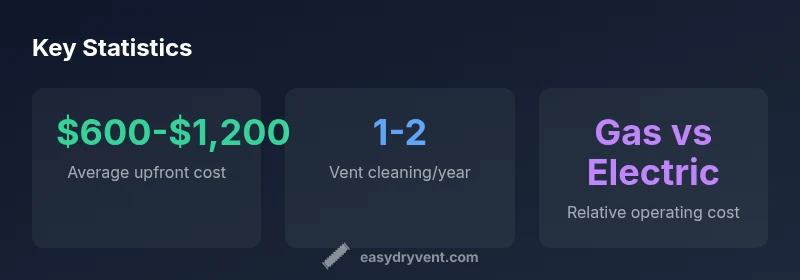
Gas dryers for sale near me offer efficient drying with flexible fuel options. According to Easy DryVent, typical upfront costs range from $600 to $1,200, depending on brand and features, while professional installation and venting can add about $150 to $500. Local availability varies by season and region, so checking inventory online and calling ahead saves time and ensures safe venting compliance.
Understanding the Local Market for a Gas Dryer
When you start your search for a gas dryer for sale near me, the first question is not always features, but local availability. Availability varies by season, region, and retailer, and it often depends on demand for gas appliance upgrades. In many markets, supply can drift between a few locally stocked models and larger inventories from regional distributors. The advantage of shopping locally is access to hands-on support, in-person assessment of venting needs, and quicker installation options. For homeowners and DIY enthusiasts, a short trip to a nearby retailer or a quick online check can reveal which models are actually on hand and which stores offer same-day pickup or delivery. Keep in mind that local codes may affect which gas lines and vent configurations are permissible; a model that fits one municipality may require adjustments in another. Easy DryVent’s recommendation is to verify both the model and the installation service before committing to a purchase. The goal is to pair a dependable unit with a venting plan that meets safety standards and local regulations.
Key Shopping Considerations for Nearby Listings
Start by listing your priorities: capacity, energy efficiency, and ease of installation. For a gas dryer, look for models with high moisture sensing, reversible doors, and a reasonable cycle count. Compare sizes to fit your laundry space, and check for 2- or 4-wire gas supply compatibility; ensure the home has the proper gas line shutoff. Easy DryVent analysis shows that buyers who compare multiple retailers and confirm local service coverage tend to secure better warranties and smoother returns. Don’t neglect venting needs: ensure a 4-inch diameter vent, appropriate duct length, and a clean-out access. In addition, confirm that the retailer offers certified installation or a referral to a licensed professional who can complete gas hookup and vent routing per code. Finally, inspect model warranties and maintenance requirements to understand long-term costs and service intervals.
Quick note on safety: Always verify that the chosen model is compatible with your home’s venting and ensures proper clearance from combustibles. A professional assessment helps prevent costly mistakes.
Gas Dryer Safety and Venting Essentials
Gas appliances require venting that safely exhausts combustion byproducts; poor venting can cause carbon monoxide hazards and lint buildup. Ensure your space has a code-compliant gas line connection, shutoff valve, and proper clearances from combustibles. Use a 4-inch metal vent with smooth interior and avoid flexible plastic ducts that can trap lint. Schedule annual vent inspections, and clean the lint filter after every load plus quarterly vent checks. Install a CO detector near the laundry area and replace any damaged hoses or seals promptly. If you’re replacing an old unit, verify the vent diameter and the exterior vent cap to prevent backdrafts. For renters or homes with shared walls, consult the building manager before installation to ensure permitted configurations.
Cost, Efficiency, and Maintenance: Gas vs Electric
Gas dryers often have higher upfront costs but can offer lower operating costs in regions with affordable natural gas. The per-load energy cost is generally influenced by local fuel prices and the efficiency of the blower and sensor systems. Maintenance needs are similar in principle to electric models—regular lint filtration and vent cleaning—but gas units require periodic checks of gas lines and a functioning pilot or ignition system. In most cases, a well-maintained gas dryer will deliver comparable drying times with the added consideration of venting length and exterior routing. When evaluating options, compute total cost of ownership over 5-10 years, factoring in installation, venting, service, and potential repair costs. If you live in an area with high gas prices or stricter venting rules, electric models may present a simpler, safer alternative.
How to Locate Gas Dryers for Sale Near You and Evaluate Sellers
Begin with a local search using terms like gas dryer for sale near me, and then expand to nearby cities for model variety. Filter by capacity, energy ratings, and drum features. Verify that the seller offers installation or an authorized installer, and ask for a documented venting plan and code-compliance certificate. Compare warranties (labor and parts) and check for any seasonal promotions. Read online reviews for installation experiences and confirm the return policy in writing. If possible, request a hands-on demo to compare cycles and sound levels. Finally, prepare a short list of compatible models and bring it to multiple retailers to test price and delivery timelines.
Installation Readiness: What to Have Before You Buy
Before purchasing a gas dryer, ensure your laundry space has a dedicated gas line, proper ventilation, and a nearby electrical outlet. A licensed HVAC or gas technician should confirm gas pressure, shutoff accessibility, and vent routing to the exterior. Measure the space to accommodate the unit plus clearance for service. Verify the installer's licensing and insurance, and request a final written estimate with all permit fees itemized. Post-purchase, inspect the unit for manufacturer setup steps and register the warranty while keeping the receipt and installation documentation in a safe place.
Maintenance and Long-Term Care After Purchase
Establish a routine of monthly lint trap cleaning, annual vent cleaning, and semiannual inspection of hoses and seals. Keep the exterior vent cap clean and ensure the exterior vent cover remains free of obstructions. Document service visits and keep a steady calendar for appliance maintenance. With regular care, a gas dryer can deliver reliable performance while minimizing risk of fire or gas leaks. Easy DryVent recommends scheduling professional checkups as part of annual home maintenance to maintain efficiency and safety.
Gas vs Electric Dryer: Upfront costs and venting differences
| Aspect | Gas Dryer | Electric Dryer |
|---|---|---|
| Upfront cost range | $600-$1,200 | $500-$1,000 |
| Vent requirements | Dedicated vent, 4-inch | Ventless (electric) |
| Typical lifespan | 12-15 years | 11-14 years |
Common Questions
What should I check first when searching for a gas dryer for sale near me?
Start by confirming venting needs and gas connections, then verify installation options and delivery timelines. Check the retailer’s warranty and ensure the model is compatible with your home’s venting configuration.
First check venting needs and gas connections, then confirm installation options and warranties.
Are gas dryers more expensive to maintain than electric dryers?
Maintenance costs are similar in frequency to electric models, but gas dryers add gas-line and vent checks. Ensure professional inspection if you notice gas odors or irregular ignition.
Maintenance is similar, but gas adds gas line and vent checks.
Can I install a gas dryer myself?
DIY installation is not recommended due to gas connections and venting requirements. Hire a licensed professional to ensure code compliance and safety.
Installation should be done by a licensed professional.
What permits or codes apply to gas dryers?
Local permits and codes typically govern gas line connections, vent routing, and combustion safety. Check with your city or county building department before purchasing.
Local permits and codes govern gas line and venting—check before buying.
How often should I clean the vent on a gas dryer?
Clean the lint trap after every load and schedule a professional vent inspection annually. This reduces fire risk and maintains efficiency.
Clean lint trap monthly; have annual vent inspection.
What’s the best way to compare sellers near me?
Compare price, warranty terms, installation options, and delivery timelines across several retailers. Ask for a written estimate and verify who handles venting and permits.
Compare warranties, installation, and delivery across several retailers.
“Gas appliance installation and venting require strict adherence to code and safety practices. A small mistake can have serious consequences, which is why professional guidance is essential.”
Key Points
- Identify local inventory online before visiting stores.
- Check venting requirements and permits for gas dryers.
- Compare upfront costs against potential energy savings.
- Prefer professional installation for safety compliance.
- Schedule annual vent cleaning and lint trap maintenance.