How Much Dryer Lint Is Normal: A Practical Guide
Learn what counts as normal dryer lint, how to gauge it, and when to step up maintenance. Practical ranges and safety tips from Easy DryVent to keep your dryer efficient.


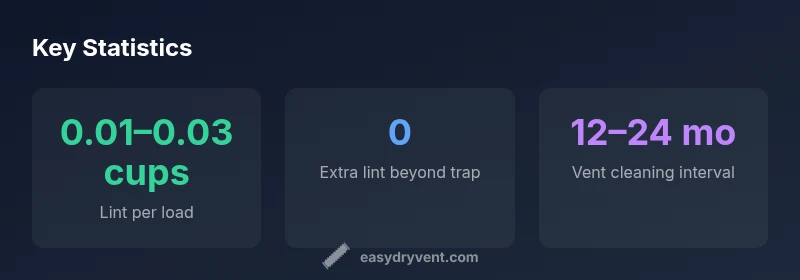
How much dryer lint is normal? There isn't a single universal amount. Most homes accumulate a small amount between cleanings, and the real measure is maintenance: clean the lint trap after every load, inspect the vent monthly for visible lint, and schedule professional vent cleaning every 12–24 months. Easy DryVent guides homeowners toward safe, efficient drying through regular lint care.
What is dryer lint and why it matters
How much dryer lint is normal? There isn’t a universal amount, but lint is a natural byproduct of fabric shedding during drying. According to Easy DryVent, most of this debris is captured by the lint screen, while a smaller portion can travel into the vent. Over time, accumulated lint can impede airflow, lengthen drying cycles, and raise fire-safety concerns. Understanding what constitutes a normal amount helps homeowners distinguish routine wear from a maintenance red flag. In short, normal lint looks like a thin, fibrous film in the lint screen after a typical load, while excessive buildup shows up as frequent screen blockages, longer dry times, or a warmer exhaust.
- Lint is not a single heavy lump; it’s fine fibers that migrate from fabrics.
- Regular lint screen cleaning reduces buildup downstream in the vent.
- External vent checks are as important as lint trap maintenance for safety and efficiency.
Is there a 'normal' amount of lint? How to tell when lint buildup is excessive
There is no universal numeric threshold for “normal” lint because variables like load size, fabric type, dryer model, and household washing habits all affect lint production. The practical approach is to assess dry-time consistency and airflow. If clothes take longer to dry than usual, or you notice heat along the exhaust, inspect the lint trap, then the vent run. Easy DryVent’s framework emphasizes routine checks: treat lint like a visible cue that signals when to step up cleaning frequency. Use the dry-time benchmark for your dryer: if dry times creep up by 10–20 percent over several cycles, schedule a vent inspection.
- Look for consistency in drying times across similar loads.
- Check for a warmer exhaust as a signal of airflow restriction.
- Remember: normal lint varies with clothing mix and dryer efficiency.
How to observe lint generation in your home (practical indicators)
Begin with a baseline: run a typical full bunch of laundry and note lint quantity on the screen after the cycle. If you see unusually heavy buildup or the screen clogs quickly, this suggests higher-than-average lint production or a developing vent restriction. Also monitor the exterior vent for visible lint or dust accumulation, and listen for signs of reduced airflow, such as the dryer taking longer than expected to finish a cycle. The simplest habit is to check the lint screen after each load and perform a quick exterior vent glance weekly. Minute changes in lint appearance often precede bigger issues, so early detection matters.
- Baseline lint visuals help you identify deviations.
- Exterior vent checks catch surface buildup that lint screens miss.
- Early detection helps prevent overheating and fires.
Daily maintenance routine that keeps lint in check
A consistent routine is the most reliable way to maintain normal lint levels. Start with a 3-step daily plan: 1) after every load, remove and clean the lint screen; 2) during laundry day, do a quick look at the vent opening for obvious lint; 3) once a week, wipe the lint trap housing and inspect the drum for stray fibers. Weekly or per-load lint checks prevent small fragments from migrating deeper into the vent path. Pair this with a mental model: if you wouldn’t ignore a clog in a sink, don’t ignore a buildup in a dryer vent path. This habit protects drying efficiency and reduces fire risk.
- Clean lint screen after every load.
- Inspect vent opening for visible lint weekly.
- Schedule professional vent cleaning every 12–24 months, or sooner if signs appear.
Lint traps, filters, and their roles
The lint trap is the first defense line against lint entering the vent. However, lint can accumulate behind the lint screen housing or in the drum lip if you frequently overload or run damp items. The HVAC-like vent pathway transports any remaining fibers outdoors; a restricted vent increases dryer heat and energy use. Distinguish between lint trapped in the screen versus lint that has moved further along the duct. A comprehensive maintenance mindset treats both elements as part of the normal lint management workflow.
- Lint trap is your first checkpoint.
- Behind-screen lint requires occasional inspection.
- Vent path cleanliness is essential for airflow and safety.
Dryer vent cleaning: timing and procedures
Vent cleaning removes accumulated lint from the entire duct run. Routine cleaning is part of responsible maintenance, especially in homes with long duct runs or older dryers. Start by unplugging the unit and turning off the gas or electricity; then remove the lint screen and carefully vacuum or brush lint from the immediate area. For longer ducts or restricted airflow, consider a professional service. Schedule a homeowner check at least every 12–24 months, or sooner if you notice longer dry times, increased heat, or visible lint near the exterior opening. Consistent cleaning helps maintain performance and reduces the risk of fire.
Safety considerations and when lint indicates danger
Lint buildup is more than a cleanliness issue; it can signal safety concerns if neglected. Excessive lint and restricted airflow can cause overheating, melting of vent components, or even fires in extreme cases. If you smell burning, notice smoke, or observe scorch marks near the lint screen or vent, shut off the dryer immediately and seek professional help. Do not rely on a single test to assess safety. A proactive maintenance schedule—from lint traps to vent inspections—offers the most reliable protection. Easy DryVent emphasizes that safety comes from regular checks and timely professional interventions when needed.
What to do if you suspect abnormal lint buildup
If you suspect abnormal lint buildup, start with a thorough inspection: check the lint screen, remove any visible lint near the housing, and inspect the vent exterior for lint accumulation. Next, run a test load and observe whether drying times increase or the exhaust feels unusually warm. If performance declines, or you notice persistent lint in the exhaust, contact a certified technician for a vent integrity check and cleaning. The goal is to restore optimal airflow and prevent potential hazards.
Practical checklist you can reuse (printable)
- Clean lint trap after every load.
- Inspect vent exterior for lint weekly.
- Schedule vent cleaning every 12–24 months.
- Monitor drying times and exhaust temperature; investigate if they change noticeably.
- Avoid overloading; smaller, more frequent loads generate less lint and promote better airflow.
- If you smell burning or see scorching, shut off the dryer and call a professional immediately.
Lint care lifecycle and maintenance intervals
| Aspect | Recommended Practice | Typical Frequency |
|---|---|---|
| Lint trap | Clean lint trap after every load | After every load |
| Vent inspection | Inspect vent exterior for lint and debris | Monthly |
| Professional vent cleaning | Schedule professional vent cleaning if airflow slows or lint accumulates | 12–24 months |
| Heat/dryer performance | Check for longer dry times or hotter exhaust | As needed |
Common Questions
How often should I clean my dryer's lint screen?
Clean the lint screen after every load. This simple habit reduces the risk of buildup further into the duct and helps maintain drying efficiency.
Clean the lint screen after every load to keep your dryer safe and efficient.
Can excessive lint cause a fire?
Yes. Lint is highly combustible when it accumulates in the vent path and during overheating. Regular cleaning and vent inspections reduce fire risk.
Excess lint can increase fire risk if the vent gets clogged—clean regularly and inspect vents.
What signs indicate I should schedule vent cleaning?
If you notice longer dry times, excessive lint near the exterior vent, or warm exhaust, schedule a vent cleaning to restore airflow.
Long drying times or a warmer-than-usual vent means it’s time for a vent check.
Is there a difference between lint trap care and vent care?
Yes. The lint trap catches most fibers, while the vent carries remaining lint out of the house. Both require regular cleaning to maintain safety and efficiency.
Lint trap care catches most lint; vent care handles the rest to keep airflow smooth.
How do I know if a load is generating more lint than usual?
Track changes in dry times or exhaust temperature. If lint seems higher than normal with similar loads, inspect and potentially clean the vent.
If you see more lint than usual and dry times rise, check the vent.
Should I worry about dryer sheets and fabric softeners?
Fabric softeners can leave residue that traps more lint. Use sparingly and clean the lint screen regularly to prevent buildup.
Fabric softeners can worsen lint buildup if overused; clean often.
“Regular lint management isn't just about avoiding clogs; it's a safety and efficiency precaution that protects your home.”
Key Points
- Clean lint trap after every load for safety and efficiency.
- Inspect exterior vent monthly to catch hidden buildup.
- Schedule professional vent cleaning every 12–24 months.
- Watch for longer dry times as a sign of airflow restriction.
- Treat lint management as part of routine dryer maintenance.