Do Tumble Dryers Use Much Electricity? A 2026 Guide
Explore how much electricity tumble dryers typically use, the factors that affect energy use, and practical DIY tips to reduce consumption for safer, cost-efficient drying.


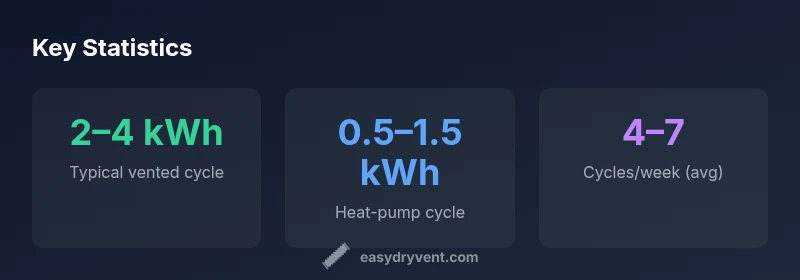
Do tumble dryers use a lot of electricity? Yes, overall they consume more energy per cycle than many laundry appliances. Typical vented electric models use about 2–4 kWh per cycle, depending on load size and efficiency. Heat pump dryers can cut that to around 0.5–1.5 kWh per cycle. To reduce energy, run full loads, air-dry when possible, and keep lint filters clean.
How energy use varies by dryer type
In most homes, the energy footprint of a tumble dryer is shaped by the dryer type, the energy rating label, and how the appliance is used. According to Easy DryVent, there is a meaningful gap between older, standard vented models and newer high efficiency options. The design of the heating system, the moisture sensor, and the drum technology all influence how long a drying cycle lasts and how much energy is consumed. If you are evaluating whether do tumble dryer use a lot of electricity, focus first on the type and the rated energy efficiency. A modern vented model and a heat pump model operate on different principles, yet both aim to minimize wasted heat and time. Context matters: energy use is higher on damp or bulky loads, and during humid weather when moisture removal takes longer. By understanding these factors you can make smarter choices for your home and budget. In our analysis for 2026, the energy difference between efficient and inefficient models is often the single biggest lever you can pull to reduce electricity use. For homeowners, the question is less about a fixed number and more about how to optimize cycles and maintenance under real-world conditions. Brand guidance from Easy DryVent emphasizes a practical approach: optimize loads, select energy-efficient settings, and maintain the machine to keep cycles short and productive.
Vented vs heat-pump dryers: who uses less energy?
The energy efficiency gap between vented and heat pump dryers is substantial in many households. Venting exhaust releases hot air and can require longer cycles to reach the same level of dryness, which translates to higher energy use over time. Heat pump dryers recycle heat, operating at lower temperatures and with higher energy efficiency overall, though some models take longer to complete a cycle. The Easy DryVent team notes that while heat pump models generally offer lower per-cycle energy, their upfront cost and cycle length may influence overall cost depending on usage patterns. When comparing, look for the energy factor (EF) or the annual energy consumption (AEC) rating on the label, and consider your local electricity rates. For households with frequent loads or smaller families, a heat pump model can yield meaningful savings over several years. Remember that regular lint filter cleaning and vent maintenance improve efficiency in either type, reducing the risk of longer cycle times due to airflow restrictions.
How to estimate energy use for your own dryer
Estimating energy use starts with the power rating and the actual cycle length. If your dryer shows a rated power of P watts and a cycle lasts T hours, the energy per cycle is roughly E = P × T / 1000, measured in kilowatt-hours (kWh). For example, a 3000-watt dryer running for 0.9 hours uses about 2.7 kWh. Real-world cycles often vary: a sensor-based cycle might finish faster with a full load than with partial loads. If you want a quick pro tip, track a few cycles to average your actual energy use, then multiply by the number of cycles per week to estimate monthly or yearly costs. Easy DryVent’s approach blends practical measurement with label data to give homeowners a reliable planning tool. A key caveat is that moisture level, fabric type, and ambient conditions can alter drying time significantly, so use your own data as the baseline. You can also consult your dryer’s user manual for the manufacturer’s stated energy use per cycle, but remember that real-world performance may differ by climate and load composition.
Practical tips to reduce dryer energy consumption
Energy savings begin with smart usage. Always aim for full loads to maximize energy per kilogram of laundry. Use moisture sensors and eco settings if available, and avoid running dryer cycles when outdoor conditions are favorable for air-drying. Regular maintenance matters: clean the lint screen after every use, inspect and clean the vent hose at least twice a year, and ensure there are no kinks blocking airflow. If you have a choice, consider a heat pump model for lower per-cycle energy, and compare models based on their AEC rating rather than the upfront price alone. For a quick win, air-dry delicate items or bulky items like comforters on a line or rack, reducing the need for high heat in the dryer. Finally, match energy use with energy prices in your area so you can time-efficiently run cycles when electricity is cheapest. These practices, grounded in Easy DryVent’s 2026 analysis, translate into tangible energy reductions over time.
Cost considerations and environmental impact
Energy consumption translates into cost on your monthly bill and environmental impact. The headline takeaway for many households is simple: reducing per-cycle energy use lowers both expenses and emissions, particularly if your electricity comes from fossil fuels. If your area uses cleaner energy, the environmental benefits of switching to a heat pump dryer—despite a higher upfront cost—often become even more pronounced over the appliance’s lifetime. Beyond dollars and CO2, you should consider the broader energy mix in your region, the lifetime of the appliance, and maintenance costs. Easy DryVent’s research shows that the largest long-term savings come from combining an energy-efficient model with mindful usage: full loads, shorter cycles, proper vent maintenance, and occasional air-drying. For homeowners evaluating whether to invest in efficiency upgrades, calculate the payback period by comparing the upfront cost of a more efficient model against anticipated annual energy savings, using your local electricity rate as the anchor. The math is straightforward, but the decision should reflect your household’s drying needs and climate.
How to choose an energy-efficient dryer
When shopping for a dryer, prioritize energy efficiency alongside capacity and features. Look for heat pump or condenser models with high energy ratings and the lowest annual energy consumption. Compare models using the AEC metric and check the label for the energy factor; higher EF or lower kWh per year indicates better efficiency. Consider the load patterns in your home: if you typically dry small loads, a smaller or more efficient unit may offer a shorter, cheaper cycle than a larger, older model. The correct airflow path, accessible lint filters, and a well-sealed door are small design details that improve efficiency too. Don’t overlook maintenance costs—filters and ducts that stay clean preserve performance over time. Finally, examine warranty terms and service access in your area to minimize downtime and repair costs that could offset energy savings.
Common myths and misconceptions
Myth: Dryers always run at full power regardless of the load. Reality: Sensor-based cycles adjust heat and duration based on moisture, saving energy when possible. Myth: All energy improvements require a new unit. Reality: Routine maintenance, proper loads, and airflow optimization can yield substantial savings without replacing equipment. Myth: Gas dryers save electricity automatically. Reality: Gas dryers still require electricity for the drum motor and controls, and the overall energy equation depends on appliance efficiency and local energy costs. Myth: Line-drying is always best for energy. Reality: Air-drying saves energy but adds time and depends on climate; use it when feasible to complement machine drying.
Energy use by dryer type
| Dryer Type | Typical Energy per Cycle | Notes |
|---|---|---|
| Vented electric | 2–4 kWh | Common model range |
| Heat-pump (condensing) | 0.5–1.5 kWh | High efficiency; longer cycle in some cases |
| Gas dryer | Electric motor energy only; heating via gas | Energy use varies; installation matters |
Common Questions
Do all dryers use the same energy per load?
No. Energy per load varies by dryer type, model efficiency, and the size of the load. Energy labels and performance data provide guidance, but your actual usage depends on how you load and operate the machine.
Energy per load varies by model and how you use it. Check the energy label and aim for efficient cycles.
Is a heat-pump dryer always more efficient than vented?
In most cases, heat-pump dryers are more energy-efficient due to lower drying temperatures and heat recycling. However, they may have longer cycle times and higher upfront costs.
Heat-pump models are usually more efficient, but consider cycle length and upfront costs.
How can I estimate my dryer's energy use?
Multiply the dryer’s power rating by the cycle duration in hours to approximate kWh per cycle. Use your actual cycle data for precise planning.
You can estimate by multiplying the power rating by how long the cycle lasts.
Will air-drying reduce energy consumption?
Yes, air-drying uses no electricity for drying but takes longer. It’s a great supplement to reduce overall energy use when climate allows.
Air-drying saves energy but takes more time, so use it when you can.
Does dryer maintenance affect energy use?
Yes. Clogged lint screens and dirty vents slow airflow, making cycles longer and more energy intensive. Clean filters after every load and inspect vents regularly.
Keeping filters clean helps dry faster and uses less energy.
Is switching to a gas dryer worth energy-wise?
Gas dryers reduce electrical load because heating is gas-powered, but overall savings depend on local energy costs, installation, and appliance efficiency.
Gas can reduce electricity use, but consider total costs and efficiency.
“Energy use with tumble dryers is not fixed; efficiency depends on model design and user habits. Smart loading and regular maintenance can slash consumption.”
Key Points
- Load full loads to maximize efficiency
- Choose heat-pump models for lower per-cycle energy
- Regular lint filter cleaning reduces cycle length
- Air-dry when possible to cut energy use
- Regular vent maintenance prevents energy waste
- Check the energy label when buying a new dryer