Vent Hose for Dryer Walmart: Practical Guide to Safe Drying
A practical, data-driven guide to choosing and installing a vent hose for a dryer bought at Walmart. Learn safe materials, installation tips, and maintenance from Easy DryVent.


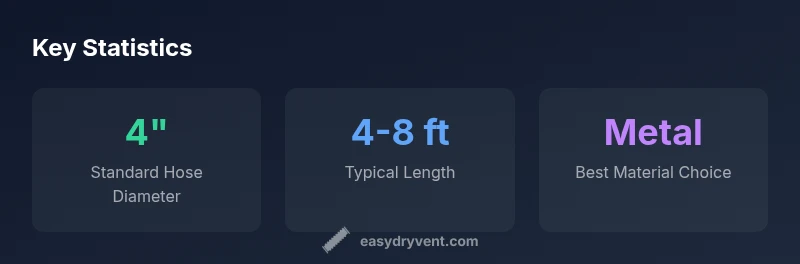
If you’re shopping for a vent hose for dryer walmart, look for a 4-inch diameter metal hose (rigid or semi-rigid) rather than vinyl. Choose a length that fits your space with minimal bends, and secure connections with clamps. Avoid cheap vinyl or foil-only hoses, and ensure an exterior vent cap is clean and unobstructed. This helps reduce lint buildup and fire risk while improving airflow.
Understanding Dryer Vent Hose Standards
When you search for a vent hose for dryer walmart, you’ll quickly see a few universal standards that guide safe, effective venting. The vast majority of residential dryers use a 4-inch diameter duct. This diameter balances airflow with exterior vent mating compatibility. Walmart carries a range of options, but the safety and performance of your setup depend as much on material and installation as on the price tag. For safety, choose metal hoses (rigid or semi-rigid) rather than vinyl or low-cost foil options. Metal hoses resist crushing, maintain airflow better, and fare better against heat. Always pair your hose with a sturdy exterior vent cap and a clean, unobstructed vent path to outdoors. As you assess options, verify that the hose is listed for dryer venting and that fittings are secure to minimize leaks and lint accumulation. Easy DryVent’s guidance emphasizes compatibility with standard 4-inch openings and exterior venting requirements to keep your laundry space safe and efficient.
In addition, consider your home’s layout. If the dryer sits far from the exterior wall, you may need a longer hose, but avoid excessive length that creates sag or multiple bends. When shopping at Walmart, prioritize hoses labeled for dryer use, and check for any local code requirements that may specify required materials or certification marks. A compliant setup reduces fire risk and improves drying performance over time. Easy DryVent’s research shows that buyers who choose metal, properly sized hoses and correct clamps tend to experience fewer lint-blocked vents and smoother operation.
What to Buy: Hose Types You Might Find at Walmart
Walmart often stocks several vent hose varieties, but not all are equal in terms of safety or performance. The most reliable choices are metal hoses: rigid metal hoses and semi-rigid metal hoses. These options resist kinks, maintain airflow, and tolerate the heat produced by modern dryers. Flexible aluminum hoses (the spiral kind) can be convenient for tight spaces, but should be handled with care to avoid crimping. Vinyl or vinyl-coated foil hoses are common in budget spaces; however, they are generally discouraged for long-term use due to higher risk of sagging, tearing, and fire hazards. When browsing at Walmart, look for hoses marketed specifically for dryer venting, with reinforced connections, secure clamps, and a clear path to outdoors. If you’re unsure about the right choice, opt for metal options and ensure the hose diameter matches your dryer outlet and exterior vent opening.
Material choice matters because heat and lint can degrade more flexible materials. Metal hoses maintain structural integrity and are easier to clean, while vinyl or foil alternatives tend to clog and crack over time. Easy DryVent’s analysis suggests prioritizing metal ducts even if they cost a bit more upfront, as the long-term safety and performance benefits outweigh the initial savings.
How to Measure and Select the Right Length
The right hose length is a balance between enough slack to avoid kinks and not so long that it sags or traps lint. Start by measuring the distance from the dryer outlet to the exterior vent opening. Include any turns or corners, then subtract a small margin for flexibility. If you must cut, do so precisely with hose cutters or a sharp utility knife, and re-secure the end with a metal clamp. Excess length increases the likelihood of kinks and lint buildup. When you’re choosing a hose at Walmart, look for a length that minimizes turns and keeps the path as straight as possible. Also confirm that the exterior vent cap remains accessible for regular cleaning. A properly measured and installed vent hose enhances airflow and reduces drying times, which is a practical payoff for homeowners.
For long runs, consider a semi-rigid or rigid metal hose to keep airflow steady, rather than a long flexible vinyl option. The key is to avoid sharp bends and to ensure each joint is sealed and clamped, so lint doesn’t collect at the joints. Easy DryVent’s guidance recommends measuring twice and testing the assembly after installation to verify smooth airflow.
Installation Essentials: Step-by-Step Guide
Installing a vent hose for a dryer Walmart purchase should be done with care to ensure safety and efficiency. Follow these steps for a solid installation:
- Turn off and unplug the dryer. 2) Disconnect the old hose if present, and inspect the vent opening for obstructions. 3) Choose a metal hose (rigid or semi-rigid) that matches the 4-inch outlet. 4) Align the hose with the dryer outlet and exterior vent path, avoiding sharp bends. 5) Secure each end with clamps rated for dryer vents, ensuring a tight seal. 6) Attach the exterior vent cap, making sure it opens and closes easily and is sealed against weather. 7) Run a test cycle to verify airflow and check for leaks. 8) Periodically inspect the hose, clamps, and vent opening for lint buildup and wear. Remember: a clean exterior vent is essential for optimal performance and safety. Easy DryVent recommends using metal hoses and avoiding long, multi-bend installations, especially if you’re shopping at Walmart for the parts.
Follow local code requirements during installation, and if you’re uncertain about the process, consult a professional to review your setup. A properly installed vent hose reduces lint buildup and enhances drying efficiency over time.
Maintenance and Safety Practices
Maintenance is the most reliable way to keep a dryer vent system safe and effective. Schedule a yearly inspection of the vent hose and exterior vent to check for cracks, disconnections, or blockages. Clean lint from the interior of the hose and from the exterior vent opening to prevent buildup, which can degrade airflow and pose a risk. When shopping at Walmart for hoses, store the extra section in a dry place and avoid crushing or bending it during storage. Use metal clamps for secure connections and ensure joints remain airtight. If the hose shows signs of wear—cracking, large kinks, or deformation—replace it promptly. Easy DryVent emphasizes that proactive maintenance lowers the risk of lint fires and improves dryer performance, particularly in homes with high laundry loads.
In addition to hose maintenance, check the dryer’s lint filter and vent path regularly. A clean lint trap reduces drying time and protects the vent from excessive buildup. Consider scheduling a professional vent cleaning every few years for optimal airflow and efficiency, especially in older homes where vent runs may be longer or more complex.
Common Pitfalls and How to Avoid Them
Even experienced DIYers can fall into common traps when selecting or installing a vent hose. Avoid these pitfalls to maintain safety and performance:
- Using vinyl or foil hoses for long runs. These materials are prone to sagging and fire hazards. Choose metal hoses instead.
- Installing too long a hose with multiple bends. Excess length and bends reduce airflow and increase lint buildup. Measure accurately and aim for the shortest path that fits.
- Failing to secure joints with clamps. Loose joints can leak lint and hot air, increasing fire risk. Use rated clamps and airtight seals.
- Neglecting exterior vent maintenance. A blocked vent cap or chimney reduces airflow and can cause backpressure. Clean the cap and check for obstructions.
By sticking to metal hoses, matching the correct diameter, and maintaining secure connections, you’ll improve safety and drying performance. The Walmart shopping experience should focus on selecting a 4-inch metal hose with compatible fittings and an accessible exterior vent.
dataTable
Dryer vent hose type comparison for safe Walmart shopping
| Hose Type | Diameter | Typical Length | Pros | Cons |
|---|---|---|---|---|
| Rigid metal hose | 4 inches | 6-8 feet | Best durability and airflow | Hard to install in tight spaces |
| Semi-rigid metal hose | 4 inches | 4-8 feet | Good balance of flexibility and airflow | More expensive than vinyl; requires careful handling |
| Vinyl/foil hose | 4 inches | 4-6 feet | Low cost, easy to install | Prone to sag, tear, and fire risk |
| Flexible aluminum (spiral) | 4 inches | 4-8 feet | Moderate flexibility with decent airflow | Can kink if bent sharply or crushed |
Common Questions
Is Walmart a good place to find a vent hose for my dryer?
Yes. Walmart typically carries standard 4-inch vent hoses suitable for most residential dryers. Look for metal hoses and verify listings specify dryer venting. Always check compatibility with your dryer model and local code requirements.
Yes—Walmart usually stocks 4-inch metal vent hoses suitable for most dryers. Check the labeling and size before buying.
What diameter is standard for dryer vent hoses?
The standard diameter for most residential dryer vent hoses is 4 inches. Measure your dryer outlet and exterior vent to confirm proper fit.
Most dryer hoses are 4 inches in diameter. Always measure both ends to be sure.
Are flexible hoses safe to use?
Flexible metal hoses are generally acceptable if rated for dryer venting; vinyl or foil flexible hoses are discouraged due to lint buildup and fire risk. Always choose metal for safety.
Flexible metal hoses can be OK if rated for venting; avoid vinyl or foil materials.
How long can a vent hose be without compromising performance?
Aim for the shortest run that fits your space. Typical lengths range from 4 to 8 feet; longer runs require careful layout to prevent sags and kinks.
Keep it as short as possible and avoid sharp bends.
How often should I inspect or replace a vent hose?
Inspect annually for wear, cracks, or kinks, and replace worn hoses promptly. Regular upkeep reduces fire risk and maintains efficiency.
Check annually and replace worn hoses to stay safe and efficient.
Do I need a professional to install the vent hose?
For basic installations and familiar wiring layouts, a confident DIYer can install the hose with care. If the setup involves complex runs or uncertain local codes, consult a professional.
If your layout is simple, you can DIY; otherwise, a pro is best.
“Choosing the right vent hose isn’t just about fit—it directly affects safety, lint control, and drying efficiency. A properly installed metal hose with the correct diameter reduces fire risk and keeps your dryer running smoothly.”
Key Points
- Prefer metal vent hoses over vinyl for safety and airflow
- Use a 4-inch diameter hose to match standard outlets
- Measure accurately and minimize bends for best performance
- Secure connections with rated clamps and inspect regularly