Should Dryer Vents Be Cleaned? A Practical Guide for Homeowners
Discover why dryer vent cleaning matters, how to do it safely, and when to hire a pro. Practical tips from Easy DryVent for safer, more efficient drying at home.


Yes. Dryer vents should be cleaned regularly to prevent fires, improve drying performance, and reduce energy use. At minimum, schedule annual cleaning, but inspect monthly for lint buildup and signs of obstruction, and address any difficulty with startup or heat. Prevention of pests, mold growth, and musty odors can also improve household safety. If you own an old vent with multiple bends, plan a more thorough cleaning every 6–12 months.
According to Easy DryVent, the question Should Dryer Vents Be Cleaned? is straightforward: yes, they should be cleaned regularly. Clean vents are a cornerstone of home safety, efficiency, and appliance longevity. Lint buildup is the leading risk factor in many dryer fires, and routine maintenance helps ensure your unit dries clothes quickly without wasting energy. Beyond safety, clean vents reduce humidity in the laundry space and minimize musty odors. Easy DryVent emphasizes that a proactive maintenance mindset protects your system, your home, and your family's health.
Vent Components and How Cleaning Helps Airflow. A typical dryer vent system includes the lint trap, a succession of ducts, elbows, and an exterior vent hood. Lint collects not only in the trap but also along the interior walls of the duct, especially in long or multi-bend runs. When lint constricts the air path, the dryer must run longer, heat rises, and energy consumption climbs. Cleaning removes this buildup, restores proper airflow, and lowers the risk that heat buildup will trigger a fire. Regular inspections help you spot crushed or kinked ducts, damaged seals, or loose clamps that impede safe operation.
Frequency and Thresholds: When to Clean. There is no one-size-fits-all schedule because usage patterns vary. For households with high laundry volumes, pets, or older ductwork, more frequent cleanings are prudent. Signs that a vent needs attention include longer drying times, clothes that feel extra hot to the touch after a cycle, a strong or unusual burning odor, or a hood that visibly vibrates or emits heat. In general, consider annual professional cleaning as a baseline, with mid-season checks if you notice any of the warning signs. Easy DryVent recommends documenting your cleaning cadence so you can adjust over time based on results and experience.
DIY Cleaning: What You Can Do Safely. Some vent maintenance is within reach for most homeowners, but never compromise safety. Start by unplugging the dryer and cutting power at the breaker. Remove the lint trap and wash or replace it as needed. Use a vacuum with a long hose attachment to remove lint from the opening and accessible duct. A flexible dryer vent brush can help dislodge lint in tight bends, followed by vacuuming again to capture debris. Exterior checks should ensure the hood opens fully and vents freely when the dryer runs. Always wear eye protection and a mask to minimize dust inhalation.
When to Call a Pro: Signs You Need Help. Some sections of the vent are hard to reach without specialized tools or disassembly of cabinet panels. If you encounter persistent lint buildup after basic cleaning, suspect damaged ducts, or detect a gas smell or hissing from the vent, professional service is warranted. A licensed technician can perform a thorough interior inspection, check for pests or nests, seal any leaks, and verify proper venting with measurement and airflow testing. Pro cleaning also covers the exterior vent terminal and the termination hood for weatherproofing and safety.
Tools, Materials, and Prep for Safer Cleaning. Gather a vacuum with a long hose, a dryer vent cleaning brush kit, screwdrivers, safety goggles, a dust mask, work gloves, lint-free rags, and a measuring tape. Clear the area around the dryer, including the exterior exhaust, to prevent spreading lint into living spaces. If you rent, check with the landlord before entering walls or cabinetry; if you own, power down the circuit and unplug the appliance. Keep flammable materials away from the work zone and avoid wet cleaners that can damage ducts or create mold growth.
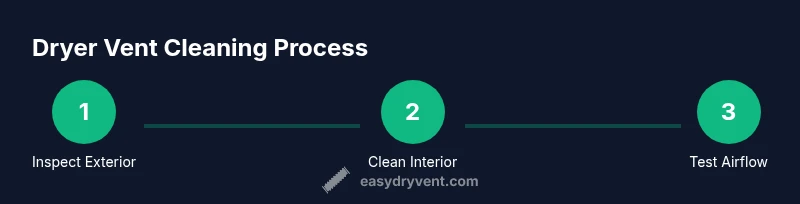
Step-by-Step Overview: What You Need to Know. The process starts with safety checks and access, followed by interior duct cleaning, exterior vent inspection, and final testing. Start by removing the exterior vent hood and interior panels where accessible. Use a vacuum to collect lint, then push a flexible brush through the duct from both ends where possible. Reassemble, run the dryer on a no-heat cycle (or air fluff) to confirm airflow, and observe the exterior hood for a strong stream of air. Schedule follow-up maintenance based on your results.
Common Mistakes That Create Obstructions. Common pitfalls include using water inside ducts, which can promote mold and damage components; over-tightening clamps, which can restrict airflow; and ignoring the area behind the dryer cabinet, where lint often accumulates. Another error is attempting to clean a vent that has been damaged or is already crushed; in such cases, professional replacement is the safer option. Finally, failing to disconnect power before starting any cleaning creates serious safety risks.
Maintenance Habits Between Cleanings. Between big cleanouts, a quick monthly check can keep vents clear: (1) wipe the lint trap housing, (2) inspect the vent cover for obstruction by leaves or birds, (3) ensure the exterior hood opens freely, and (4) listen for unusual noises or hot spots after a cycle. A simple reminder system or calendar entry helps maintain consistency. Consistent care minimizes dryer downtime and prolongs vent life, while keeping your laundry room safer.
Understanding Codes, Safety, and Insurance Considerations. Local building codes may require certain ventilation standards and clearances. Keep accurate records of inspections and cleanings, especially if you rent or live in a multi-unit building. If you notice widespread lint accumulation, unvented heat, or a persistent odor, contact a qualified professional to assess for structural damage, mold risk, or fire hazards. Maintaining documentation can be valuable for safety audits and insurance claims.
Tools & Materials
- Vacuum with hose attachment(Excellent for collecting loose lint from the opening and accessible ducts)
- Dryer vent cleaning brush kit(Flexible rods and brushes designed for 4-6 inch ducts)
- Screwdrivers (Phillips and flat-head)(To remove vent covers and clamps)
- Safety glasses or goggles(Protect eyes from dust and debris)
- Dust mask(Prevents inhaling lint and dust)
- Work gloves(Keep hands protected during cleaning)
- Lint-free cloths(Wipe down surfaces and dry areas)
- Measuring tape(Measure vent length for thorough cleaning)
Steps
Estimated time: 60-90 minutes
- 1
Power off and prep
Unplug the dryer and switch off the circuit at the breaker. Move the dryer away from walls to access the vent and ensure you have a clear workspace. Put on safety gear and lay down a drop cloth or old sheet to catch lint.
Tip: Double-check you have the right vent access points before pulling the dryer away from the wall. - 2
Remove vent covers
Detach the exterior vent hood and remove the interior dryer cabinet panel if accessible. Use appropriate screwdrivers and keep screws in a container so they don’t get lost. Inspect the exterior for obstructions like leaves or bird nests.
Tip: Label screws if you remove multiple pieces so reassembly is quick. - 3
Vacuum the accessible duct
Reach into the open duct with a vacuum hose and pick up loose lint. Move the vacuum slowly to avoid pushing lint further back into the system. If you have a long run, use the vent brush to loosen lint before vacuuming again.
Tip: Work from the vent opening inward; avoid pushing lint toward the dryer’s blower. - 4
Brush the ducts
Insert the flexible brush and push it through the duct, rotating to catch lint along the walls. Work sections at a time and pull the brush back slowly to collect debris. Vacuum again after brushing to capture loosened lint.
Tip: Keep the brush dry; moisture can gum up lint and reduce effectiveness. - 5
Clean the lint trap housing
Wipe down the lint trap housing and the lint trap itself. Ensure the trap slides in and out smoothly and that the housing is dry before reassembly. Replace the lint screen with a clean one if needed.
Tip: Replace a worn lint screen to maintain filtration efficiency. - 6
Reassemble and test airflow
Reattach interior panels, secure clamps, and reattach the exterior vent hood. Plug the dryer back in and run a no-heat cycle (or air fluff) to observe airflow at the exterior vent. Confirm a strong, continuous airflow.
Tip: If airflow is weak, recheck seals and ensure there are no kinks in the duct. - 7
Document and schedule next cleaning
Record the date of cleaning and plan the next maintenance cycle based on your usage. If the vent remains difficult to clean or airflow is inconsistent, plan a professional assessment earlier than usual.
Tip: Set reminders 6-12 months ahead depending on usage and vent length.
Common Questions
Should dryer vents be cleaned every year?
Annual cleaning is a common baseline, but frequency depends on usage, vent length, and whether you notice signs of obstruction. High-usage households may need more frequent checks.
Annual cleaning is a good baseline, but adjust based on use and vent conditions. Look for signs like long drying times or excess lint.
What are the signs that my vent needs cleaning?
Longer drying times, clothes feeling hotter, a burning odor, and visible lint around the lint trap or outside vent are common indicators that your vent needs attention.
If clothes take longer to dry or you smell lint burning, it's time to check the vent.
Can I clean a dryer vent myself?
Yes, with proper safety precautions and the right tools, many homeowners can perform basic vent cleaning. Always unplug the dryer and follow manufacturer guidelines.
You can clean it yourself if you’re careful and use the right tools.
Is cleaning dangerous?
Cleaning involves electricity and hot surfaces, so power must be off and hardware handled carefully. Keep flammables away and protect yourself with safety gear.
There are safety risks; turn off power and wear protection.
How long does professional vent cleaning take?
Time varies with vent length and configuration; professionals can provide an estimate after inspecting your setup. Expect a multi-step process that includes interior inspection and exterior testing.
Pro cleaning times vary by vent layout; ask for an estimate after an inspection.
How much does professional vent cleaning cost?
Costs vary by region, access, and duct complexity. Get multiple quotes and verify they include interior inspection, cleaning, and a test of airflow.
Costs depend on vent length and effort; compare quotes for thorough service.
Watch Video
Key Points
- Inspect vents regularly for lint buildup.
- Clean both interior ductwork and exterior vent for best results.
- Schedule maintenance to maintain safety and efficiency.
- Avoid water and harsh chemicals inside ducts.
- Call a pro for complex or obstructed vent systems.