Rent a Washing Machine and Dryer: A Practical How-To Guide
Learn how to rent a washing machine and dryer with confidence. This comprehensive guide covers planning, provider comparisons, delivery, installation, maintenance, and end-of-term options to help homeowners save money and gain flexibility.


Renting a washing machine and dryer is a cost-effective way to access modern appliances without a large upfront payment. Follow a simple process: assess needs, compare providers, check terms, and plan delivery and installation. See our step-by-step guide for details.
Why renting a washing machine and dryer makes sense
Renting a washer and dryer offers flexibility, lower upfront costs, and access to updated technology without a long-term commitment. According to Easy DryVent, renting can be particularly advantageous for short-term housing, families adjusting to changing schedules, or anyone prioritizing cash flow management. You get the convenience of delivery, routine maintenance, and the option to switch to newer models as your needs evolve. This approach also reduces the risk of a bulky appliance becoming obsolete while you wait for the perfect moment to buy. By treating rental as a temporary bridge, you can maintain reliable laundry capabilities while you prioritize other household needs and budget considerations.
What to consider before renting
Before you sign a rental agreement, map out the essentials: your typical load size, the kinds of cycles you rely on (regular, quick wash, delicate, bulky items), and the desired delivery window. Consider space constraints, doorway width, and the unit’s external dimensions to ensure it fits through hallways and into the laundry area. Look for energy- and water-efficient models, quiet operation, and compatible hookups (water inlet and drain for the washer; venting and electrical requirements for the dryer). Finally, review safety elements like child locks and anti-tip features, and confirm who handles haul-away of the old unit if applicable.
How rental plans differ: terms, fees, and inclusions
Rental plans vary by provider, but common components include monthly fees, delivery, installation, basic maintenance, and a replacement option if the unit fails. Be on the lookout for hidden costs such as delivery surcharges, late fees, or service call charges outside a defined maintenance window. Some plans require a refundable security deposit or a credit-card hold at sign-up. Always ask for a written outline of inclusions, response times, and any limits on the number of service visits per year.
Step-by-step renting process overview
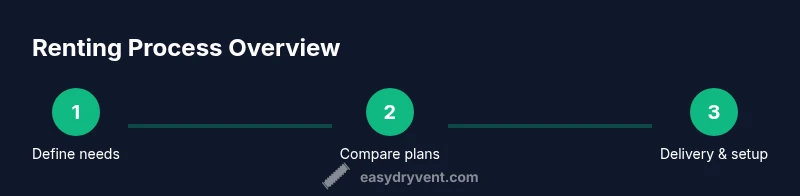
Starting a rental involves several concrete steps, from needs assessment to final delivery. Begin by selecting your preferred model and confirming availability. Then compare plans from multiple providers, verify all fees, and review maintenance terms. Finally, schedule delivery, prepare the installation site, and sign the contract. Keeping a checklist helps ensure nothing is overlooked and makes the process smoother.
How to compare providers: pricing and service quality
Rather than focusing only on the monthly price, evaluate the overall value. Compare delivery windows, installation quality, maintenance coverage, response times for repairs, and the policy on unit replacement. Read customer reviews for reliability and consistency. Clarify what happens if you need to upgrade to a larger model or if you move to a new home during the rental term.
Delivery and installation: what to expect
On delivery day, confirm model and serial numbers, ensure the unit sits level, and test basic operation. A technician should connect water supplies, drainage, and electrical outlets, then run a test cycle to verify performance. If wiring, plumbing, or venting must be modified, confirm who is responsible and what safety standards will be observed. Keep delivery windows realistic to avoid delays.
Maintenance and care while renting
Most rental programs include routine maintenance or have a straightforward service protocol for issues. Follow manufacturer guidelines for cleaning lint traps, inspecting hoses, and ensuring proper drainage. Report any unusual noises, vibrations, leaks, or error codes promptly to avoid escalated repair costs or early terminations. Proper use keeps the units efficient and safe.
Costs and value: balancing monthly fees with service
Renting is about balancing predictable monthly costs with included services. Consider long-term needs: if you expect stable usage and minimal downtime, rental can be cost-effective; if you anticipate heavy use or frequent moves, compare to short-term purchase options or extended warranty plans. Ask for a cost breakdown that includes maintenance, service visits, and any potential upgrade fees so you can estimate total ownership experience without buying.
Troubleshooting common rental issues
If the unit isn’t draining properly or is leaving laundry damp, check hoses, drain lines, and settings first. For unusual odors or residue, run a maintenance cycle if provided by the plan. If problems persist, contact your provider’s support within the guaranteed service window to schedule a repair or replacement as per the contract terms. Document dates and interactions for reference.
Ending the rental: returning equipment and deposits
When the rental term ends, schedule a final inspection, remove personal items, and return the unit in agreed condition. Confirm the deposit refund timeline and any deductions for wear or missing accessories. If you plan to continue laundry service, discuss renewal or upgrade options and timelines well in advance to avoid gaps in service.
Tools & Materials
- Smartphone or computer with internet access(Used to compare providers and sign rental agreements.)
- Measuring tape(Check doorway width and space inside the laundry area ( minimum 24 inches clearance preferred).)
- Delivery access information(Provide building access details, elevator availability, and preferred delivery window.)
- Notepad and pen(For jotting terms, dates, and contact information.)
Steps
Estimated time: 1-2 hours
- 1
Define needs and budget
List your typical laundry load, cycles you use most often, and preferred delivery timing. This helps you filter models and plans accurately. Clarify whether you want basic reliability or added features like steam cycles or faster spin speeds.
Tip: Write down your must-haves vs. nice-to-haves to speed up comparisons. - 2
Research local rental providers
Search for providers with good service coverage in your area. Compare the models offered, monthly rates, and what maintenance is included. Prioritize plans that provide quick service if something breaks.
Tip: Check recent customer reviews to gauge response times and technician quality. - 3
Review terms and inclusions
Ask for a written copy of the contract. Note delivery, installation, maintenance, replacement, and end-of-term options. Clarify any deposits, fees, or limits on service visits.
Tip: Request a sample end-of-term clause to know your exit options. - 4
Schedule delivery and installation
Choose a delivery window that fits your schedule. Confirm model, serial numbers, and required hookups. Ensure the installation area is clear and accessible.
Tip: Prepare the space beforehand to avoid delays on installation day. - 5
Inspect on delivery
Check that the unit is undamaged and matches the agreement. Run a quick test cycle to verify operation and confirm that all accessories are included.
Tip: Take photos of the unit and any damage before final acceptance. - 6
Set up maintenance expectations
Understand when maintenance visits are scheduled and how to request urgent repairs. Confirm what is covered under the plan and how to communicate issues.
Tip: Bookmark the provider’s troubleshooting guide for quick reference. - 7
Document all terms
Save a copy of the signed agreement, the contact info for support, and a copy of the delivery report. This helps resolve disputes quickly.
Tip: Keep digital backups in your email or cloud storage. - 8
How to end or upgrade the rental
If needs change, discuss upgrade options or return timelines before the term ends. Confirm deposit refunds and any last-minute fees.
Tip: Initiate renewal or upgrade discussions at least 2 weeks before term end.
Common Questions
What is the first step to rent a washing machine and dryer?
Identify your needs and budget, then compare providers and terms. This sets a clear baseline for evaluating options.
Start by listing your needs and budget, then compare providers and contract terms.
Are delivery, installation, and removal usually included?
Many rental plans include delivery and installation, with removal or haul-away offered as an option. Always confirm included services before signing.
Delivery and installation are often included, but verify what’s covered before you sign.
Can I upgrade or downgrade during the rental term?
Some providers allow model swaps or plan changes with notice; check for any upgrade fees or timing requirements in the contract.
Upgrades or downgrades are sometimes allowed, but check for fees and notice periods.
What should I do if the appliance breaks?
Follow the contract’s repair process and contact the provider promptly. Most plans cover repairs or replacement within a guaranteed service window.
If it breaks, contact support quickly and use the repair or replacement terms in your contract.
How long can I rent, and what happens at term end?
Rental terms vary; confirm minimums, renewal options, and end-of-term arrangements including returns or upgrades.
Terms vary; know your end-of-term options and renewal possibilities.
Do rental agreements require a security deposit?
Some plans require a refundable deposit or credit hold. Verify the amount, refund timing, and any conditions for deductions.
Some plans ask for a refundable deposit; check timing and deductions.
Watch Video
Key Points
- Define needs before shopping.
- Compare terms, not just monthly fees.
- Check delivery and installation inclusions.
- Inspect the unit on delivery and keep records.
- Plan end-of-term options early.