Maytag Commercial Washer & Dryer Maintenance: A Practical Guide
A practical, step-by-step maintenance guide for Maytag commercial washers and dryers, with safety tips, vent care, lint removal, and troubleshooting to keep your laundry facility running smoothly.


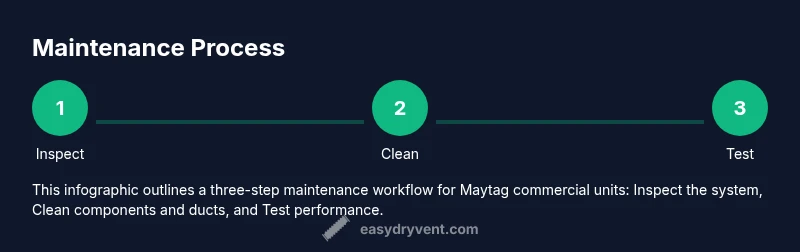
By completing this guide, you will learn how to perform essential maintenance on a maytag commercial washer and dryer, including lint removal, vent care, safety checks, and basic troubleshooting. You’ll follow a clear, repeatable workflow, gather the right tools, and document findings to extend the life of your units and keep your laundry area running smoothly.
Why Maytag Commercial Washer and Dryer Maintenance Matters
Maintaining a maytag commercial washer and dryer isn't just about clean laundry; it's about safety, efficiency, and uptime. In busy settings—laundromats, apartment buildings, or commercial facilities—regular maintenance reduces the risk of unexpected breakdowns and costly downtime. From drum wear to vent restrictions, every component affects performance.
According to Easy DryVent, consistent care helps prevent fire hazards associated with lint buildup and ensures vent paths stay clear, which is essential for safe operation. With proper maintenance, you can extend the life of your maytag commercial washer and dryer, protect staff and residents, and keep utility costs in check. This guide walks you through a practical maintenance routine you can perform with common tools and minimal disruption to daily operations. We emphasize safety first, followed by hands-on checks, cleaning, and gentle testing. By treating these units as high-value equipment, you reduce emergency service calls and maintain reliable throughput for washing and drying cycles.
Safety First: Power, Water, and Vent Safety
Before you touch any electrical or water connections, shut off power to the machines and unplug them from the wall or disconnect the circuit. Do not run maintenance with the units energized. Wear protective gloves and eye protection when dealing with moving parts or sharp edges. Keep a spill kit handy and place absorbent towels to catch water. Check that the surrounding area is dry to avoid slips. If your setup uses gas or has a combustible environment, consult the equipment manual for specific safety instructions. Always follow manufacturer guidelines for your maytag commercial units and use the correct venting practices to prevent backdrafts and overheating.
Baseline Assessment: Quick Checks You Can Do Before You Begin
Begin with a visual survey: look for obvious signs of wear, loose panels, or corrosion on hoses and belts. Confirm the door seals and gaskets are intact. Check the lint filter or trap location, and note if lint accumulates abnormally fast. Ensure the exterior vent hood is accessible and clear of debris. If the unit has a digital display, capture any error codes and refer to the manual. Document the model, serial number, and installation date for future reference. This quick snapshot establishes a baseline so you can measure improvements after your maintenance session.
Cleaning Lint Filters, Drums, and Housings
Lint buildup is more than unsightly; it can hinder airflow and cause longer drying cycles. Remove the lint filter and clean it with warm water and a mild detergent. Wipe the drum lip and door seal to remove residue that can trap lint. Vacuum accessible crevices around the drum and filter housing to remove hidden dust. If your model uses a lint screen behind a panel, carefully release the panel and clean the screen. After cleaning, reinstall components in the correct orientation and wipe down exterior surfaces to prevent dust adhesion. Schedule lint removal as part of your regular maintenance to maintain airflow and performance.
Inspect Belts, Hoses, and Internal Components
With panels removed, inspect drive belts for cracks, glazing, or fraying. Check tension and alignment and look for signs of wear on pulleys. Inspect water hoses for cracks or bulges and replace any damaged sections. Listen for unusual noises during a test cycle that might indicate bearing wear or loose components. If you see corrosion or damaged wiring, note it for professional service. Maintain clean connections and avoid over-tightening belts, which can reduce life expectancy.
Vent Cleaning Best Practices for Commercial Units
Vent cleanliness is critical for performance and safety. Start by cleaning the exterior vent cap to remove leaves, nests, or dirt. Use a vent cleaning kit or flexible brush to reach the duct path and remove lint that may have accumulated along bends. If you encounter restricted airflow, inspect the vent hose length and ensure it’s properly secured without kinks. Do not reuse damaged duct tape or sealants that may degrade airflow. After cleaning, test airflow at the exterior vent and listen for a steady exhaust sound during a cycle.
Performance Checks and Troubleshooting Common Issues
Run a test cycle with a light load to verify proper tumbling action, water flow, and heat during cycles. Observe cycle times and listen for abnormal noises or vibrations. If clothes come out damp or unusually hot, re-check heater elements and thermostats. Review error codes from digital displays and consult the manual or Easy DryVent guidance for interpretation. Keep a maintenance log noting date, actions taken, parts replaced, and observed results so you can track progress over time.
Maytag Commercial Models: What Sets Them Apart
Maytag commercial washers and dryers are designed for durability and consistent cycles. Many units use high-torque motors, heavy-duty belts, and commercial-grade stainless steel drums. Features like advanced moisture sensing, multiple wash/rinse options, and long-run cycles are common in commercial lines. When maintaining these units, refer to the specific model manual for belt sizes, panel access points, and vent routing. The general principles of lint control, vent maintenance, and safe disassembly apply across most models, though some steps may vary by model family.
Energy Efficiency and Cost-Saving Tips
Efficient operation reduces energy use and utility expenses. Use proper load sizes to minimize unnecessary tumble time and avoid over-drying; selecting appropriate cycle settings helps. Ensure vent paths are clean to reduce dryer runtime and residual heat. Consider a scheduled maintenance window aligned with off-peak hours to minimize energy cost and service interruptions. Easy DryVent's analysis suggests that proactive maintenance correlates with more stable performance, fewer emergency repairs, and longer unit life—without disclosing sensitive operational metrics.
When to Call a Pro and What to Expect
If you notice persistent odd noises, leaking water, frequent error codes, or dryer not heating, it's time to involve a professional. Gather model information, warranty status, and a maintenance log to share with the technician. Expect a diagnostic visit, part recommendations, and a clear estimate of repair time and cost. For complex vent work, gas lines, or electrics, rely on technicians trained for Maytag commercial equipment.
Tools & Materials
- Flathead screwdriver(For removing panels and accessing internal components)
- Phillips screwdriver(For screws on access panels and fasteners)
- Nut driver set(Various sizes to fit model fasteners)
- Multimeter(Check for proper voltage and continuity in low-voltage circuits)
- Work gloves(Protect hands from sharp edges and hot surfaces)
- Flashlight(Illuminates dark crevices inside panels)
- Vacuum with crevice tool(Remove lint and dust from drum housing and vents)
- Bucket and towels(Catching and cleaning up spills during work)
- Vent cleaning kit(Brushes and flexible rods to clear ducts)
- Replacement belts(Carry spares for common wear; verify fit per model)
Steps
Estimated time: 1-2 hours
- 1
Power down and unplug
Shut off power at the circuit and unplug the unit. Confirm no voltage with a tester before touching any internal components. This prevents electrical shock and protects sensitive electronics during inspection.
Tip: Label the outlet or unplug location to simplify reassembly. - 2
Remove access panels and locate lint path
Gently remove the front or rear panels per model to expose the lint trap housing and duct connections. Keep track of screws in labeled bags and note panel orientation for correct reassembly.
Tip: Take a photo of panel arrangement before removal. - 3
Clean lint filter, drum lip, and seals
Remove the lint filter and wash with warm water and mild detergent. Wipe the drum lip and door seals to remove residue that can trap lint. Vacuum around crevices to dislodge hidden lint.
Tip: Reinstall components in the correct orientation to avoid leaks. - 4
Inspect belts, hoses, and bearings
Check drive belts for cracks or glazing and test tension. Inspect hoses for cracks or bulges; replace damaged sections. Listen for unusual noises during a light test cycle that could indicate worn bearings or loose parts.
Tip: Replace worn belts promptly to prevent sudden failures. - 5
Clean vent path and exterior vent hood
Clean the exterior vent cap first, then use a vent cleaning kit to reach duct sections and remove lint buildup. Ensure the vent hose is free of kinks and securely connected. Recheck for any blockages after cleaning.
Tip: Do not seal ducts with duct tape; use manufacturer-recommended closures. - 6
Run a test cycle and document results
Run a short test cycle with a light load. Observe drum action, airflow, heat, and drainage. Record observations, any codes, and parts touched to build a maintenance log for future reference.
Tip: If anomalies persist, escalate with model-specific guidance.
Common Questions
How often should I perform maintenance on a Maytag commercial washer and dryer?
Aim for a monthly quick-check and a thorough quarterly cleaning. Schedule an annual professional inspection for model-specific items and safety checks.
Aim for monthly quick checks and a thorough quarterly cleaning. Schedule an annual professional inspection for model-specific items and safety checks.
Can I perform vent cleaning myself?
Yes, with proper tools and safety precautions. For long duct runs or restricted airflow, consider a professional service to ensure complete clearance.
Yes, with proper tools and safety precautions. For long duct runs or restricted airflow, consider a professional service to ensure clearance.
What safety steps are essential when servicing these units?
Always unplug the unit and verify no voltage. Wear gloves and eye protection, and keep the work area dry. Follow the model’s manual for venting and electrical safety.
Always unplug the unit and verify no voltage. Wear gloves and eye protection, and keep the work area dry.
What are common signs of vent or belt problems?
Reduced airflow, longer cycle times, unusual noises, or damp clothes can indicate lint buildup, blocked ducts, or worn belts that require inspection.
Reduced airflow, longer cycles, unusual noises, or damp clothes can indicate lint buildup or worn belts.
Should I replace belts or other components myself?
You can replace belts if you have the right tools and model-specific guidance. For complex components or gas-powered units, rely on a trained technician.
You can replace belts if you have the right tools and guidance. For complex parts or gas units, hire a technician.
Watch Video
Key Points
- Schedule regular maintenance to extend unit life.
- Keep lint and vents clean to reduce fire risk and improve efficiency.
- Inspect belts, hoses, and electrical connections during service.
- Document findings to track improvements over time.