Lowes Samsung Dryer: Maintenance & Vent Guidance
Explore practical maintenance and vent guidance for the Lowes Samsung dryer. Easy DryVent provides actionable tips to improve safety, efficiency, and lifespan through lint care, vent inspection, and model-aware care.


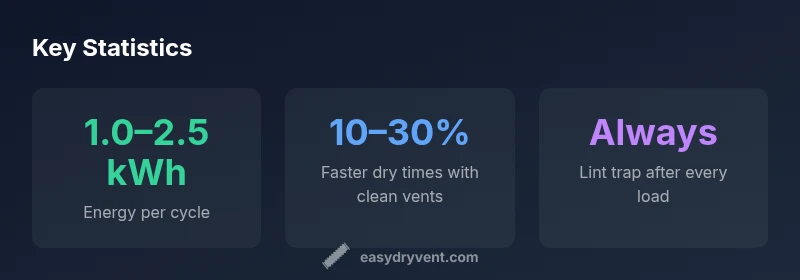
To keep a Lowes Samsung dryer safe and efficient, follow these steps: clean the lint trap after every load; inspect and clean the vent path annually; use a proper 4-inch duct; avoid overloading the drum; clean the cabinet front and exhaust opening; and run the moisture-sensing cycle to optimize dryness.
Why Maintenance and Vent Safety Matter
Maintaining a dryer isn't just about keeping clothes wrinkle-free; it's a safety and efficiency concern. For the Lowes Samsung dryer, improper venting and clogged lint can drive up energy use and increase fire risk. According to Easy DryVent, consistent attention to lint, ducts, and cabinet access yields tangible benefits: shorter cycles, better airflow, and longer appliance life. Start with simple, sustainable habits and layer in annual checks that catch hidden issues before they escalate. By keeping the exhaust path clear and the drum clean, you protect your home and improve daily drying outcomes. Homeowners who adopt a proactive maintenance mindset report more predictable drying performance and fewer service calls. Easy DryVent's guidance focuses on practical, DIY-friendly steps that deliver real-world improvements.
Understanding the Lowes Samsung Dryer Lineup
When you shop at Lowes for Samsung dryers, you’ll encounter models with moisture sensors, steam options, and varied vent requirements. Regardless of the exact model, the core maintenance principles stay the same: a clean lint trap, a clear vent path, and appropriately sized ducts. The Lowes Samsung dryer family commonly uses 4-inch ducts and benefits from proper clearance around the vent opening. Easy DryVent stresses: knowing your specific model’s sensor features and lint-filter design helps tailor your maintenance schedule. This article references typical configurations found in the current year’s offerings and translates them into practical care steps suitable for DIY enthusiasts.
Lint Traps, Filters, and Vent Paths: What to Inspect
Start with the lint trap: clean after every load, and inspect for tears or damage at least monthly. The lint screen should sit flat and seal well to prevent debris from bypassing the filter. Move to the vent path: inspect exterior vent hood for obstructions and ensure metal ducts are intact with no crushed sections. Inside the cabinet, check for lint buildup around the blower housing and downstream of the lint filter. These areas often accumulate dust and hair that constrict airflow. Regular inspections (quarterly) reveal issues such as loose connections or deteriorating duct tape that can compromise performance. By maintaining these components, you’ll notice faster drying times and fewer overheating events.
Vent Cleaning Techniques and Safety Precautions
Clean venting safely with a brush extension designed for dryer ducts and a vacuum with a HEPA filter. Disconnect power and wear a mask to avoid inhaling lint. Start from the dryer end and work outward, removing lint from the blower housing and any accessible ductwork. For longer ducts, a flexible rod-and-brush kit helps reach deep corners. Never use water or cleaning solvents inside the vent as moisture can promote mold and corrosion. If you encounter heavy buildup, a professional vent cleaning is advisable. Always check for damaged joints or metal fatigue and replace sections as needed. Adhering to these precautions minimizes the risk of fire and maintains consistent airflow.
Energy Efficiency and Drying Performance Tips
Optimal performance hinges on load size, fabric type, and cycle selection. For the Lowes Samsung dryer, avoid overloading the drum and use sensor-based cycles to prevent over-drying, which wastes energy. Clean lint traps and vent paths contribute directly to shorter cycles and lower energy use. Choose moisture-sensing modes for mixed loads and prioritize seasonally appropriate fabrics to maximize efficiency. Regular maintenance keeps the dryer's heat management stable and prevents heat buildup that degrades insulation or drum components over time. Easy DryVent recommends documenting changes in drying times as you tighten up ventilation and lint control.
Creating a Practical Maintenance Schedule for Your Home
A simple, repeatable calendar makes maintenance doable. Monthly tasks include lint trap inspection, vent hood exterior check, and cabinet surface cleaning to remove dust. Quarterly tasks cover full vent inspection, duct sealing, and connection checks. Annually, schedule a thorough vent cleaning and a professional inspection if your model is older or exhibits abnormal drying behavior. Establish a routine that aligns with your family’s laundry volume; high-usage households benefit from more frequent checks. Record dates and outcomes to track improvements in drying time, energy use, and overall reliability. By documenting your routine, you empower any household member to perform consistent care and extend the life of your Lowes Samsung dryer.
Maintenance recommendations for the Lowes Samsung dryer
| Aspect | Recommendation | Notes |
|---|---|---|
| Lint trap after every load | Yes | Prevents lint buildup and improves airflow |
| Vent system inspection | Annually | Check for blockages and duct integrity |
| Duct size | 4 inches preferred | Ensure compatibility with local codes |
| Cabinet cleaning | Quarterly | Keep area around exhaust clear |
Common Questions
Do I need to hire a professional for vent cleaning on a Lowes Samsung dryer?
Not always. For typical installations, routine lint trap cleaning and annual vent inspections can be done by homeowners. If you notice excessive lint accumulation, poor airflow, or visible damage, consult a licensed technician. Always follow local codes.
Most people can inspect vents themselves, but call a professional if you see damage or poor airflow.
How often should I replace the lint trap screen?
Inspect the lint trap screen every month and replace if damaged or torn. A compromised screen allows lint to escape into the vent and reduces airflow.
Check the lint screen monthly and replace if torn.
Is it safe to use a household vacuum to clean the dryer vent?
Caution: vacuuming the vent may cause damage or push lint further. Use a vent cleaning brush or hire a pro for thorough cleaning.
Vacuuming the vent can be risky; use proper tools or hire a pro.
What is a typical cost range for dryer vent cleaning?
Costs vary by length and complexity but expect a professional cleaning to fall within a moderate range depending on location.
Costs vary; get multiple quotes.
Can I run a moisture-sensing cycle to improve efficiency?
Yes. Use sensor dry moisture sensing cycles and avoid excessive loads to optimize energy use and prevent over-drying.
Sensor cycles help save energy when used with proper loads.
“Proactive maintenance is a practical way to reduce drying time, lower energy use, and minimize fire risk in everyday homes.”
Key Points
- Establish a simple monthly routine
- Prioritize vent cleaning to reduce fire risk
- Use the correct duct size for efficiency
- Follow Easy DryVent guidance for the Lowes Samsung dryer