LG Steam Dryer Maintenance: Care & Efficiency Guide
A practical, step-by-step guide to maintaining your LG steam dryer for safety, efficiency, and longer life. Learn lint, vent cleaning, steam system upkeep, and smart loading tips from Easy DryVent.


Learn how to safely inspect and maintain an LG steam dryer to improve drying efficiency and reduce fire risk. This guide covers vent cleaning, lint trap care, steam function checks, and routine maintenance steps. According to Easy DryVent, following a regular maintenance schedule keeps your LG steam dryer performing at its best and extends its lifespan.
Understanding LG Steam Dryer Technology
An LG steam dryer uses a built-in steam cycle to refresh fabrics, reduce wrinkles, and help with odor control. The steam function works in harmony with standard drying cycles to loosen fibers, reduce the need for ironing, and improve overall fabric care. When maintained properly, the steam system contributes to lower energy use because clothes dry more evenly and reach the moisture target more efficiently. For homeowners and DIY enthusiasts, grasping how the steam feature integrates with airflow highlights why vent cleanliness and lint management matter just as much as choosing the right cycle. This knowledge helps you optimize performance and extend the life of your appliance, a key concern for households seeking safer, more efficient drying.
Routine Maintenance Pays Off for Your LG Steam Dryer
Regular maintenance is not optional—it’s essential for safety and efficiency. A clean lint trap, clear vent paths, and clean steam components minimize resistance in the exhaust stream and keep the drum spinning with consistent performance. Easy DryVent’s guidance emphasizes that neglecting these parts can lead to longer drying times, higher energy use, and increased fire risk from lint buildup. By treating maintenance as part of a regular care routine, you’ll notice smoother operation, fewer repairs, and better results from every load.
Safety and Setup Basics for a Steam Dryer
Before you perform any upkeep, unplug the unit and ensure the area is dry and well-ventilated. Use a flashlight to inspect hard-to-see areas and keep small parts away from children and pets. The steam system introduces water and heat, so it’s important to follow the manufacturer’s service manual for your LG model. If you ever hear unusual noises or detect burning smells, stop immediately and seek professional assistance. Following these precautions protects your home and preserves the dryer's safety features.
Preventive Maintenance: Lint Trap, Drum, and Exterior
Lint traps should be cleaned before every load, and the housing should be checked for lint accumulation around the door seal and interior drum. Wipe down the drum occasionally with a damp microfiber cloth to remove residue. Inspect the door seal for wear and tear, which can affect efficiency. Addressing these items reduces the risk of heat buildup and helps maintain even drying. A clean exterior not only looks better but also reduces the chance of dust migrating into the dryer’s sensitive components.
Venting Best Practices: Why They Matter
A clear vent path is critical for safe operation. Lint buildup in ducts reduces airflow, increases cycle times, and can pose a serious fire hazard. Ensure vent hoses are not kinked and that exterior vents open fully. Some homes have long or complex vent runs; in these cases, consider a vent-cleaning schedule or professional inspection every 1–2 years to keep airflow optimal and energy use low. Regular vent maintenance also helps prevent moisture issues that can affect walls and ceilings near the laundry area.
Steam System Care: Water Reservoir, Hoses, and Sensors
Check the water reservoir and fill lines for any leaks or sediment buildup. Wipe sensors clean as needed to ensure accurate cycle timing and moisture sensing. If your model uses a water filter or descaling feature, follow the manual to keep minerals from clogging the lines, which can reduce steam effectiveness. Regularly inspecting hoses for cracks or wear protects against leaks and maintains consistent steam performance during cycles.
Optimizing Drying Efficiency Through Usage Habits
Load size and fabric type influence drying efficiency. Place bulky items evenly to promote air flow and avoid overpacking the drum. Use appropriate cycles for fabrics, such as steam-assisted options for delicate garments, and avoid running multiple heavy cycles back-to-back if a cooler cycle would suffice. By pairing mindful loading with routine maintenance, you’ll shorten cycle times, reduce energy use, and extend the dryer's life. Monitoring moisture levels and adjusting settings accordingly helps you get optimal results from every load.
Troubleshooting Common Issues Before Calling a Pro
If clothes come out damp, re-check the vent path and lint filters, then run a short diagnostic cycle if available on your LG model. Reduced steam performance may indicate mineral buildup, requiring reservoir or line flushing per the manual. Strange noises, overheating, or error indicators should be treated as potential malfunctions; consult the user guide and contact support if signs persist. Quick checks and proactive maintenance can often prevent unnecessary service calls.
Tools & Materials
- Cordless vacuum with crevice tool(Essential for removing lint from tight spaces behind the dryer)
- Lint brush or dryer vent cleaning brush(Use to dislodge lint in the trap housing and vent paths)
- Vacuum hose and attachments(Helps reach deep into vent ducts)
- Screwdriver set (Phillips #2 and flathead)(For accessing panels and vent connections)
- Dryer vent cleaning brush (flexible)(Clears long duct runs toward the exterior vent)
- Microfiber cloths(Wipe surfaces and remove residues from drum and seals)
- Mild detergent spray(Light cleaning solution for exterior surfaces)
- Replacement lint screen(Keep on hand if the original screen is damaged)
Steps
Estimated time: 60-90 minutes
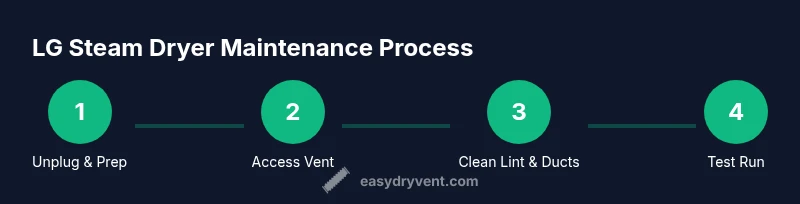
- 1
Unplug and prepare
Unplug the dryer and move it away from the wall to access the back panel. This protects you from shocks and allows you to inspect the vent and power connections safely.
Tip: Take a photo of cable routing before unplugging to ensure proper reconnection. - 2
Access vent and panels
Remove the rear access panel and locate the vent hose. Disconnect only if you are comfortable; otherwise, skip to inspecting the exterior vent and seek professional help.
Tip: Label screws to simplify reassembly. - 3
Clean lint trap and housing
Remove the lint screen and housing; wipe with a microfiber cloth and vacuum any lint buildup around the housing. This reduces airflow resistance.
Tip: Do not use water on electrical components; use a dry cloth instead. - 4
Vacuum behind dryer and in vent path
Vacuum behind the dryer and the vent opening to remove trapped lint. Use brush attachments to dislodge stubborn lint in hard-to-reach corners.
Tip: Wear a mask if lint is dense or dusty. - 5
Inspect vent ducts
Carefully inspect the vent ducts for kinks, crushes, or obstructions. Clean with a flexible vent brush, moving both directions for thorough clearing.
Tip: If the duct length is long, consider a professional cleaning for safety. - 6
Check exterior vent cap
Go outside and ensure the vent cap opens freely and is free of debris, insects, and nests. A blocked exterior vent can trap moisture and heat inside.
Tip: Clear debris with care to avoid bending the vent flaps. - 7
Steam system check
Inspect the water reservoir, hoses, and any steam lines for leaks or mineral buildup. Wipe the reservoir and lines, and flush mineral deposits if your model supports it.
Tip: Avoid spilling water on electrical components; dry surfaces thoroughly. - 8
Reassemble and test
Reconnect all panels, plug in the unit, and run a short test cycle with a damp load to verify airflow and steam function. Listen for unusual noises and monitor for excessive heat.
Tip: Keep a log of testing results for future reference.
Common Questions
How often should I clean the lint filter on an LG steam dryer?
Clean the lint screen before every load and inspect monthly. Schedule a deep vent clean every 6–12 months depending on usage and home environment.
Clean the lint screen before each load and inspect monthly; schedule a deep vent clean every 6 to 12 months based on how often you run the dryer.
Is it safe to run the steam cycle in a small, poorly ventilated space?
Steam cycle generators release moisture; ensure room ventilation and follow the LG manual. If humidity feels high, pause usage and improve airflow before continuing.
Make sure the room is well ventilated and follow the manual; if humidity rises, stop and improve airflow before using again.
Can I clean the vent ducts myself or should I hire a professional?
You can perform basic vent cleaning with a flexible brush and vacuum, but long or complex runs may require a professional to safely reach and clear all sections.
You can do basic cleaning yourself, but for long or tricky vent paths, a professional is recommended.
What signs indicate a clogged vent or steam system issue?
Longer drying times, clothes still damp, excessive heat, or unusual smells can signify a vent or steam issue. Address promptly to prevent damage.
If drying takes too long, clothes stay damp, or you notice strange smells, check vents and steam lines and address promptly.
Will cleaning improve drying performance and energy use?
Yes. Regular lint and vent maintenance improves airflow, shortening cycles and reducing energy consumption over time.
Regular maintenance improves airflow, shortens cycles, and saves energy.
Are LG steam dryer maintenance steps covered by warranty?
Warranty coverage depends on model and region. Always follow the manufacturer’s maintenance guidelines to keep coverage valid.
Check your model’s warranty terms and follow LG’s guidelines to maintain coverage.
Watch Video
Key Points
- Inspect vent paths regularly to maintain airflow.
- Clean lint traps before every load for safety and efficiency.
- Maintain the steam system to preserve performance.
- Follow a scheduled maintenance routine and document results.
- If in doubt, contact support or a pro for vent or steam system service.