How to Make Clothes Dry Faster in Dryer
Learn practical, step-by-step methods to speed up clothes drying in your electric dryer. From load management to vent care, discover safe, proven tips to dry clothes faster while protecting fabrics and saving energy.


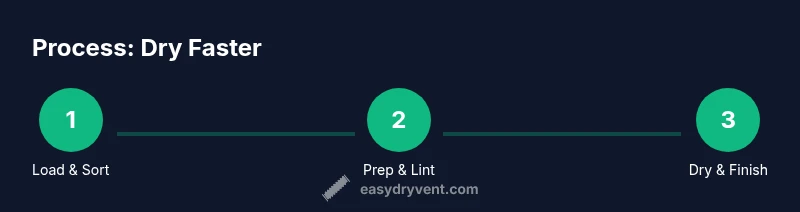
Learn practical steps to make clothes dry faster in the dryer. Start with balanced loads, clean the lint screen, and ensure the vent is clear. Use sensor-based cycles and dryer balls to boost airflow, and sort fabrics by weight. Avoid overdrying to preserve fibers. Easy DryVent shares proven, safe methods homeowners can apply today for quicker, safer drying.
Why clothes take long to dry in a dryer and how to fix it
According to Easy DryVent, drying time is influenced by load size, fabric type, and vent condition. When a dryer runs with a full, uneven load, airflow is disrupted, moisture lingers, and cycles become longer. Over time, lint buildup and a clogged vent further reduce efficiency. In this section we’ll break down common causes and practical fixes you can implement this weekend. Common causes include overloading the drum, mixing heavy items with light fabrics, and neglecting regular vent maintenance. Practical fixes start with load management, lint-screen care, and vent inspection. Regular maintenance reduces the risk of fire and prolongs appliance life, while saving energy. Easy DryVent emphasizes safe practices like not running overloaded cycles and avoiding high heat on delicate fabrics. By applying these steps, you’ll improve airflow and shorten drying times for most fabrics.
- Load size and distribution matter for airflow
- Vent condition and lint buildup dramatically affect efficiency
- Fabric thickness and moisture level influence cycle duration
- Safety comes first: clean lint, check vent clearances, and follow manufacturer guidelines
Pre-drying prep: maximize airflow
Before you press Start, take a moment to prep your laundry. Sort items by weight and fabric type so heavy towels aren’t buried under delicate knits. This promotes even drying and prevents overdrying, which wastes energy and damages fibers. Shake out pockets and zippers to reduce delays caused by metal fasteners snagging in the drum. Add two dry towels to a mixed load if you need to balance moisture distribution; this trick can help the load dry more evenly and quickly. Regularly empty the lint trap, then inspect the vent path (from dryer to exterior) for kinks or debris. If you notice a musty smell or reduced airflow, it’s likely time for a vent cleaning.
- Sort by weight and fabric type for even drying
- Empty pockets and zippers to avoid delays
- Consider a moisture-balancing towel trick for mixed loads
- Vent inspection helps prevent bottlenecks and odors
Dryer settings and accessories for speed
Selecting the right cycle and heat setting is essential to fast, safe drying. For most fabrics, sensor-based or automatic cycles optimize moisture detection and stop drying when clothes are dry, preventing energy waste. Use high heat only for towels and sturdy cottons; delicate fabrics should use lower heat or air-dry settings. Dryer balls or clean tennis balls improve airflow by creating separation between items, reducing clumping and fluffed air pockets. Avoid running on a constant high heat if the cycle isn’t needed, as repeated high heat can cause fiber damage and longer total drying time if clumping occurs. If your dryer offers a moisture sensor, enable it to stop the cycle at the optimal dryness level.
- Use sensor-based cycles for efficiency
- Reserve high heat for towels and sturdy fabrics
- Dryer balls improve airflow and separation
- Avoid unnecessary high heat for delicates
- Enable moisture sensing when available
Practical tips to speed up drying
Beyond the basics, small adjustments can yield noticeable gains. Clean the lint screen before every load, and consider vacuuming the vent opening if accessible. The placement of the dryer matters—keep it close to an exterior wall with minimal duct length and avoid sharp bends in the vent hose. If you’re drying bulky items like comforters, run a test load with only cloths that tumble freely and a couple of towels to help maintain airflow. Consider using a temporary air-dry phase for items that can tolerate slight wringing or air movement. Finally, avoid overdrying by removing items promptly when they are dry and finishing with a short cool-down cycle to relax fibers.
Common mistakes that slow drying
Many preventable mistakes extend drying time. Overloading reduces airflow and trapping moisture. Mixing towels with synthetics can create damp pockets that slow the entire load. Not cleaning the lint screen or neglecting vent maintenance leads to clogged ducts and reduced efficiency. Using high heat for delicate fabrics accelerates fiber wear without significantly shortening dry times. Finally, failure to sort fabrics by moisture content can leave some parts damp while others are over-dried. Fixes include regular lint removal, vent inspection, and careful adherence to labeling on textiles.
When not to rely on the dryer
Some items just don’t dry well in a standard household dryer. Large, bulky items such as heavy blankets or quilts may take unusually long or cause the drum to bounce, reducing efficiency. Extremely thick fabrics, like wet denim or certain upholstery fabrics, can trap moisture and may require extended cycles, pre-drying outdoors, or air-drying portions before final tumble drying. If the dryer routinely runs long cycles without fully drying, it may indicate a vent restriction, a failing sensor, or a malfunctioning heating element, and you should consult a professional or refer to the user manual for troubleshooting steps.
Tools & Materials
- Lint screen brush(Use between loads to keep airflow optimal)
- Vent cleaning brush or flexible wand(Accessible vent path; if vent is hard to reach, hire a pro)
- Dryer balls or clean tennis balls(Promotes airflow by separating clothes)
- Two dry towels (optional)(Assist moisture distribution in mixed loads)
- Exterior vent cap brush (optional)(Helpful for exterior vent cleaning and inspection)
Steps
Estimated time: 45-60 minutes
- 1
Check load size and balance the drum
Remove items until the drum feels less crowded and distribute heavier items around the perimeter for even airflow. A balanced load dries more evenly and faster than a crammed, uneven pile.
Tip: Aim for about half to three-quarters full to maximize airflow. - 2
Clean lint screen and inspect vent
Before starting, scrub the lint screen clean. If airflow seems reduced, check the vent path for blockages and remove any lint buildup.
Tip: A clogged vent can dramatically increase drying time and energy use. - 3
Choose the right cycle and heat
Select a sensor-based or automatic cycle for most fabrics. Reserve high heat for towels and sturdy textiles; delicates should use low heat or air-dry settings.
Tip: Sensor cycles can stop early when items are dry, saving energy. - 4
Add airflow boosters and sort fabrics
Drop in dryer balls to separate items and prevent clumping. Sort by weight and moisture content to reduce unlocking closed pockets of damp fabric.
Tip: Avoid mixing very wet items with light fabrics in the same cycle. - 5
Run a test dry and monitor
If unsure, run a short test cycle on a small load to gauge drying time and cycle effectiveness. Adjust cycles based on the results.
Tip: Keep a timer handy to avoid over-drying. - 6
Finish with a cool-down
End with a cool-down or shorter cycle to relax fibers and reduce wrinkles. Prompt removal minimizes static and helps air circulation.
Tip: Remove clothes promptly to prevent re-wrinkling.
Common Questions
Can using high heat damage clothes?
Yes, high heat can harm delicate fabrics and cause wear over time. Use high heat only for sturdy towels and cottons. For most items, rely on sensor-based or low-heat settings to protect fibers.
High heat can damage delicate fabrics; use it only for sturdy items and rely on sensor cycles for most loads.
Do dryer balls really help clothes dry faster?
Yes. Dryer balls or clean tennis balls create space between items, improving airflow and speeding up evaporation. They’re inexpensive, reusable, and safe for most fabrics.
Yes, dryer balls help by creating space between items, boosting airflow and speeding up drying.
How often should I clean the lint screen?
Clean the lint screen before every load. Regular cleaning maintains airflow, reduces drying time, and lowers fire risk.
Clean the lint screen before every load to keep airflow strong and reduce fire risk.
Is it safe to run a dryer vent cleaning myself?
Basic vent checks are safe, but thorough vent cleaning may require tools or a professional service, especially for long or complex duct runs. Follow manufacturer guidelines and never force the vent.
You can do simple checks yourself, but for deeper cleaning consider a professional service.
Why is my dryer taking longer than usual to dry?
Common causes include overloaded loads, clogged lint screen, restricted vent, or aging heating elements. Address these issues one by one to restore drying speed.
If drying is slow, check the load, lint screen, vent, and heating element.
Can I dry towels with delicate items together?
Mixing heavy towels with delicate fabrics can slow drying and cause damage. Dry bulky items separately or use a higher capacity cycle with proper settings.
Avoid mixing towels with delicates; dry them separately or adjust the cycle.
Watch Video
Key Points
- Balance loads for optimal airflow and faster drying.
- Clean lint screen before every load for best performance.
- Choose sensor-based cycles and keep vents clear.
- Use dryer balls to boost airflow and separate fabrics.
- Avoid overdrying to protect fabric integrity.