How Often to Replace Washer and Dryer: Lifespan, Signs, and Planning
Learn practical timelines for replacing your washer and dryer, key signs you should upgrade, and a planning checklist to balance repairs, energy efficiency, and safety.


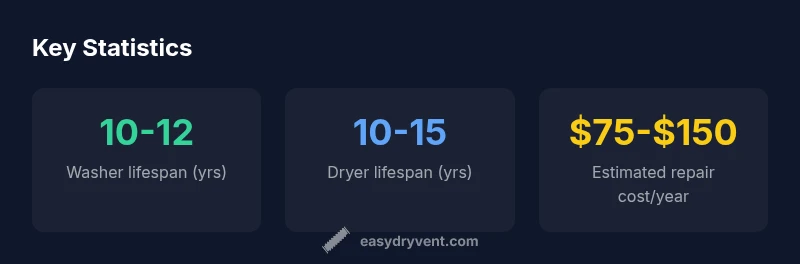
Most homeowners replace a washer every 10 to 12 years and a dryer every 10 to 15 years, depending on usage, maintenance, and model quality. If you notice frequent breakdowns, rising repair costs, sudden energy bill spikes, or safety concerns like overheating or electrical issues, it's time to consider replacement.
Lifespan Realities for Washers and Dryers
Understanding how often to replace washer and dryer helps homeowners plan budgets and upgrades. Most modern units are designed for a decade or more of service, but actual lifespans vary with usage, maintenance, loads, and climate. In this section, we’ll demystify typical lifespans, show how everyday habits extend or shorten life, and outline what to monitor to know when replacement is the smarter choice.
How long should you expect your washer to last? A well-maintained washer commonly lasts about ten to twelve years for many households, with premium models occasionally reaching beyond that range. The dryer tends to run a bit longer in the field, often reaching ten to fifteen years when well cared for, though gas or electric differences, venting integrity, and load patterns can shift that window.
What factors influence these numbers? Frequency of use (heavy loads wear seals and bearings faster), water hardness and detergent choices, venting condition, regular cleaning, and the quality of the model’s components (motors, belts, and drums) all play roles. A past repair history can also foreshadow future reliability.
Practical takeaway: treat these lifespans as ranges, not certainties. Use them to budget for upgrades, plan replacements around energy efficiency gains, and align with home-renovation or remodeling cycles. In short: regular maintenance can push a replacement window outward, but neglect will move it inward.
Signs it's time to replace rather than repair
While a professional diagnosis is essential, homeowners can watch for clear signals that replacement is wiser than another repair. Consider replacement when:
-
Repairs are frequent and costly: If the same issue recurs after multiple visits or a major component fails, repair bills can escalate beyond the price of a new machine.
-
Efficiency is lagging: Older units commonly consume more water and electricity per cycle, driving up utility bills.
-
Performance deteriorates: Chronic poor agitation, incomplete cycles, or persistent leaks suggest the machine is no longer reliable.
-
Safety concerns emerge: Frayed cords, overheating smells, or unusual noises can indicate electrical or mechanical danger.
-
Availability of spare parts becomes limited: If a model is no longer supported and essential parts are scarce, replacement becomes a practical choice.
-
Space and compatibility: When your laundry area is redesigned or you add smart home features, upgrading can improve compatibility and convenience.
If several of these factors appear together, plan a replacement rather than continuing to repair.
How usage patterns affect replacement timing
Your household’s routines shape the replacement timeline. The only universal truth is that aggressive usage accelerates wear. Consider:
-
Load size and frequency: Constantly running full loads may help keep a system balanced, but higher cycles wear bearings and seals faster.
-
Water quality and detergent: Hard water can cause mineral buildup on valves and seals; choosing the right detergents reduces residue.
-
Venting and installation: A dryer with poor venting dries more slowly and runs hotter, increasing energy use and component strain.
-
Maintenance habits: Regular lint filter cleaning and vent inspections slow deterioration; neglect invites early failures.
-
Climate and installation: Humid or dusty environments accelerate corrosion and clogging; ensure proper clearance and maintenance intervals.
This section helps you tailor your replacement planning to real-world usage, rather than a generic calendar.
Cost considerations—repair vs replacement
Deciding whether to repair or replace hinges on comparing immediate repair costs to the cost of a new unit and the value of energy savings. A common guideline is to weigh a repair estimate against the current market price of a replacement, and to consider longer-term energy efficiency. In practice:
-
If the repair estimate is high relative to a new unit’s price, replacement often makes more sense.
-
If you anticipate future repairs in the near term, a newer model with better efficiency can pay back the upfront cost.
-
Consider financing, tax incentives, and extended warranties that may alter the financial equation.
-
Don’t forget intangible benefits: quieter operation, improved reliability, and better compatibility with smart home upgrades.
This logic helps families decide when to pull the trigger on a replacement rather than another repair.
Maintenance practices to extend life
Proactive care can push replacement dates outward and maximize value. Incorporate these habits:
-
Clean lint traps after every load and keep vent lines clear; blocked vents spell doom for dryers and cause higher energy use.
-
Check hoses and seals regularly; look for cracks or bulges that predict failure.
-
Level your machines and avoid overloading; misalignment causes uneven wear.
-
Use manufacturer-approved detergents and appropriate cycles to reduce wear on motors and belts.
-
Schedule professional servicing as recommended in the user manual, especially if you notice odd noises or leaks.
-
Replace worn components promptly to prevent cascading failures that shorten overall life.
These steps often delay replacement while preserving performance and safety.
Ready-to-use replacement planning checklist
Use this quick checklist to align your replacement strategy with budget and home needs:
-
Track lifespans and repairs in a simple spreadsheet.
-
Compare models for energy efficiency, capacity, and reliability.
-
Plan replacements in the same purchasing window to maximize incentives or rebates.
-
Establish a savings target to cover the upfront cost before a breakdown hits.
-
Schedule installations with a trusted technician; ensure proper venting and electrical wiring.
-
Review warranties and service plans to extend protection.
-
Reassess needs after remodels or schedule milestones to avoid timing conflicts with other major projects.
Lifespan and repair windows for common laundry appliances
| Appliance | Typical Lifespan (years) | Common failure signs | Typical repair window (years) |
|---|---|---|---|
| Washer | 10-12 | Leaks; loud noises; failure to drain | 3-5 |
| Dryer | 10-15 | No heat; long drying times; burning smell | 2-4 |
| Combined compact unit | 8-12 | Space constraints; frequent cycling | 2-3 |
Common Questions
How do I know if it's cheaper to replace or repair?
Compare the repair estimate to the price of a new unit and consider long-term energy costs. If repairs would be frequent or costly, replacement often makes more sense.
If repairs would cost a lot or happen repeatedly, replacement is usually cheaper in the long run.
Should I replace both washer and dryer at the same time?
Upgrading both at once can maximize compatibility and energy savings, but staggered replacements are fine if budgets require.
You can upgrade together for efficiency or stagger them if needed.
Does replacing with an energy-efficient model save money?
Yes, newer models typically use less energy per load, which lowers operating costs over time.
Energy-efficient models save on energy costs over time.
What maintenance steps extend life?
Regular lint cleaning, vent maintenance, correct detergent use, avoiding overloading, and scheduling professional checkups extend life.
Keep vents and lint traps clean and service your unit regularly.
How should I budget for replacement?
Plan for a replacement window of about 10 to 15 years, set aside a savings target, and compare financing options.
Plan for replacement within roughly a decade to fifteen years and save accordingly.
Are there signs a dryer fire risk is increasing?
Burning smells, excessive heat, or unusual noises require immediate inspection and possible replacement.
If you smell burning or hear odd noises, stop using it and get it checked.
“Regular maintenance and timely upgrades save money and minimize risk. A practical replacement plan helps balance upfront costs with long-term energy savings.”
Key Points
- Assess repair costs against replacement value.
- Plan replacements on a 10–15 year horizon.
- Choose energy-efficient models to cut operating costs.
- Maintain lint traps and vents to extend life.
- Track repairs to anticipate end of life.