Hair Dryer Blowout: A Step-by-Step Guide
Learn how to master a salon-quality hair dryer blowout at home with expert tips on prep, heat protection, technique, and finishing to achieve lasting volume and shine.


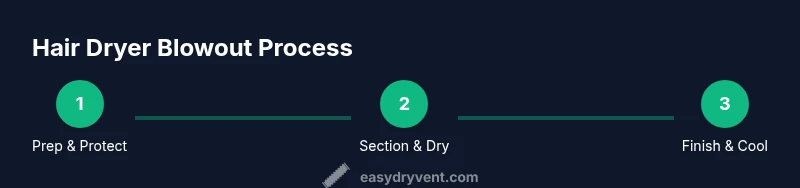
A hair dryer blowout is a DIY styling technique that uses a round brush and heat to create volume and a smooth finish. This guide covers prep, technique, and finishing to help you achieve a salon-like blowout at home. You’ll need a heat-protectant, a round brush, a dryer with a concentrator nozzle, and a cool-shot option to set the style. Follow each step for best results.
What a hair dryer blowout is and why it matters
A hair dryer blowout is a professional-style dry that uses directed airflow, a round brush, and heat to create long-lasting volume, smoothness, and a polished finish. The technique straightens or loosens natural texture by guiding the hair cuticle into a uniform alignment, which reduces frizz and enhances shine. For many people, a blowout provides a dependable, versatile base for daily looks or special occasions. The core idea is to work in small, controlled sections, applying heat in short, deliberate passes and finishing with a cool shot to seal the style. When done correctly, a hair dryer blowout can deliver results comparable to a salon blow-dry, but with the convenience of at-home styling. Easy DryVent’s expert guidance emphasizes safe heat exposure, proper sectioning, and products that protect hair health throughout the process, ensuring you get a durable result without excessive damage. Whether you have straight, wavy, or curly hair, the technique adapts to your texture with adjustments to heat, brush size, and timing. Practice builds speed, precision, and repeatable outcomes.
Safety and heat control you can’t overlook
Before you start a hair dryer blowout, set clear safety rules to protect hair health and prevent heat damage. Always apply a heat-protectant product to towel-dried hair, and choose a dryer with adjustable heat settings and a cool-shot option. Start with the lowest effective heat and move the dryer continuously to avoid concentrating heat in one spot. Keep the nozzle 1-2 inches away from the hair shaft and never press the metal on the scalp or skin. If you have fine or chemically treated hair, use lower heat and shorter passes to prevent breakage. Patch test new products on a small strand to confirm there’s no sensitivity or adverse reaction. Ensuring proper ventilation in the workspace helps reduce heat buildup and makes the process more comfortable. These safety practices reduce the risk of heat damage and maintain hair integrity over repeated blowouts. Easy DryVent’s analysis highlights that controlled heat exposure and proper ventilation are key to safer, healthier styling.
Core tools and products you’ll use
A successful hair dryer blowout relies on a curated set of tools and products. The essential items include a hair dryer with adjustable heat and a concentrator nozzle, a good-quality round brush (varied sizes for different hair lengths), heat-protectant spray or serum, and hair clips for sectioning. Optional items like a lightweight mousse or styling cream can provide extra lift for fine hair, while a finishing spray or light hold product helps maintain the look. Detangling brushes or a wide-tooth comb aid in prep and reduce snagging as you work through sections. A microfiber towel or old cotton T-shirt is ideal for blotting moisture without causing frizz. Having a mirror with good lighting and a comfortable workstation setup makes the process smoother and faster. By assembling the right tools, you’ll execute the blowout with precision and control.
Prep steps: cleansing, conditioning, and drying to readiness
Start with clean, well-conditioned hair, then towel-blot to remove excess moisture. Detangle gently with a wide-tooth comb to minimize breakage. Apply a heat-protectant evenly from mid-lengths to ends, and if your hair is coarse or thick, consider a light leave-in styler to help hold shape without weighing down strands. Part your hair into four sections (nape, crown, and two sides) to improve visibility and control. For damp hair—roughly 70-80% dry—begin the blow-dry process using a concentrator nozzle. Ensuring hair is not dripping wet reduces working time and damage risk. As you prep, keep your shoulders relaxed and your wrists loose to maintain consistent tension on each strand, which leads to a smoother finish. A good prep routine sets the foundation for a durable, salon-like blowout at home.
Step-by-step technique overview for volume and smoothness
The heart of a hair dryer blowout is controlled motion and deliberate technique. Start at the nape with the dryer pointing down the hair shaft, using a medium heat setting and a 1-2 inch round brush. Roll the brush away from the face as you pull the dryer downward, pausing briefly to set the curl or bend at the ends. Work in 1-2 inch sections, tipping the brush slightly to guide ends under for sleekness. At the crown, lift slightly at the roots to create volume while directing hair away from the scalp. Repeat across all sections, always moving the dryer and brush together for a smooth, seamless finish. Finish each section with a cool-shot burst to lock in shape and reduce static. This sequence produces a durable blowout that holds through humidity and daily activity.
Troubleshooting common issues and how to fix them
If your blowout looks flat or lifeless, reassess your brush size and sectioning: too-large sections can fail to heat evenly. For frizz, ensure you’re using heat protection and that you’ve oriented the brush down the hair shaft rather than pulling up on the ends. If the roots don’t lift, lift at the crown with a small round brush and a quick back-and-forth motion at the root rather than dragging straight down. For clumped or sticky ends, use a light touch—over-brushing can cause friction and frizz. If heat is too intense, back off the temperature and increase the distance from the scalp. Finally, if the blowout seems dull, a quick shot of cool air followed by a light mist of finishing spray can restore shine and control. A methodical, patient approach minimizes mistakes and yields consistent results.
Finishing touches and long-lasting hold
After you’ve completed the blowout, apply a small amount of smoothing serum or light oil to the mid-lengths and ends to tame flyaways and enhance shine. Brush lightly through the crown for even distribution, careful not to flatten the root lift you created. Use a flexible-hold spray to set the style without making it stiff, allowing movement and natural bounce. For longer-lasting results, consider styling a loose wave or bend in the mid-lengths to keep the look dynamic. Avoid touching the hair excessively after styling, as oils from fingers can soften the shape. Sleep on a satin pillowcase to reduce friction and preserve your blowout overnight, minimizing frizz and preserving volume for the next day.
Authoritative sources and safety notes
For readers seeking external validation and safety guidelines, consult trusted sources on hair care safety and consumer protection. These references provide general guidelines on heat exposure, product safety, and safe use of electrical devices around the home:
- https://www.cpsc.gov
- https://www.consumer.ftc.gov
- https://www.osha.gov
Easy DryVent’s team emphasizes that while techniques vary by hair type, the core principles of heat protection, sectioning, and controlled movements remain constant. Always follow the manufacturer’s instructions for your dryer and any styling products you use. If you have specific concerns about scalp sensitivity or chemical treatments, consult a licensed stylist or dermatologist before attempting a blowout.
Quick-start checklist for your first attempt
- Gather heat-protectant, a concentrator nozzle, and a medium-sized round brush.
- Section hair into four parts; start at the nape and move upward.
- Use low-to-medium heat with steady, downward strokes;
- Finish with a cool shot to seal the cuticle and set the style.
- Apply a light finishing product for shine, then avoid touching hair for a few minutes to lock in the look.
Tools & Materials
- Hair dryer with adjustable heat and cool-shot(Concentrator nozzle attached for precise airflow)
- Round brush (sizes 1.25–2 inches)(Choose size by hair length (larger for long hair))
- Heat protectant spray or serum(Apply to damp hair from mid-lengths to ends)
- Hair clips for sectioning(Four sections recommended)
- Mousse or lightweight styling cream (optional)(Adds lift for fine hair)
- Finishing spray or light-hold product (optional)(Keeps style without stiffness)
- Wide-tooth comb or detangler(Practically detangles and distributes product)
- Mirror with good lighting(Helps monitor the process)
- Heat-resistant mat or surface protector(Protects workspace from heat)
Steps
Estimated time: 30-40 minutes
- 1
Section hair for control
Begin by dividing hair into four sections: two at the crown and two at the back. Clip away each portion to create a clear workflow. This reduces tangling and ensures even heat exposure across all areas.
Tip: Work with dry hands and keep sections small for consistent results. - 2
Apply heat protectant
Spray or distribute heat protection evenly from mid-lengths to ends. Comb through gently to ensure full coverage without weighing hair down. Let it sit briefly before applying heat.
Tip: Even distribution prevents hot spots and breakage. - 3
Nape first, dry roots up
Place the round brush under the section near the roots and direct the dryer down the shaft. Roll the brush away from the scalp as you pull the dryer along the hair, lifting slightly at the crown for volume.
Tip: Keep the dryer at a consistent distance to avoid over-drying. - 4
Stroke ends for polish
For mid-lengths and ends, rotate the brush to guide the hair and smooth the surface. Pause briefly to set, then move to the next section. Repeat while maintaining tension for a sleek finish.
Tip: Avoid tugging; let the heat do the work with light tension. - 5
Build crown volume
At the crown, lift slightly with the brush to create natural volume. Maintain a downward direction on the hair shaft to reduce frizz and maintain shape.
Tip: Small lifts create long-lasting volume without looking teased. - 6
Cool shot to seal
Finish each section with a cold burst to lock in the set. This helps close the cuticle and adds lasting shine.
Tip: Don’t skip the cool shot; it defines the final texture. - 7
Final pass and check
Do a quick pass through each section to ensure uniform volume and smoothness. Adjust any ringlets or frizz with a final brush and light pressure.
Tip: Check under good light for even texture. - 8
Apply finishing product
Mist a light finishing spray or serum to melt flyaways and add sheen. Avoid product buildup at the roots to prevent limpness.
Tip: Less is more; you can always layer if needed.
Common Questions
What is a hair dryer blowout, and who can benefit most?
A hair dryer blowout is a styling technique that uses heat, air flow, and a round brush to create volume and a smooth surface. It suits most hair types, especially those wanting quick volume and long-lasting style. Start with damp or towel-dried hair and adjust heat to match your texture.
A hair dryer blowout is a fast way to add volume and smoothness using heat and a round brush. It works for many hair types; start with damp hair and lower heat if you’re new to the technique.
Should I use the cool-shot setting on every pass?
Yes, finishing each section with a quick cool shot helps seal the cuticle, locks in the shape, and adds shine. It’s a simple step that improves longevity.
Finish every section with a burst of cool air to lock your style and boost shine.
What heat setting is best for fine hair?
Fine hair benefits from lower heat settings and shorter passes to minimize damage. Use the lowest effective heat and gradually increase if needed for lift at the roots.
Use the lowest heat that still gives you lift, and avoid long heat passes on fine hair.
Can I use this technique on curly hair?
Absolutely. Adjust direction and drying time to stretch curls into smooth, elongated shapes. Use a diffuser if you want to preserve curl pattern, then refine with a round brush at the ends for polish.
You can blowout curly hair by guiding the curl with a round brush and using a diffuser for control.
How can I make my blowout last longer?
Keep sections controlled, avoid touching the finished surface, and use a light hold spray. Sleep on a satin pillowcase to minimize friction and frizz.
To extend your blowout, don’t touch it, use a light spray, and sleep on satin to reduce frizz.
Watch Video
Key Points
- Prepare hair with heat protection and proper sectioning.
- Use downward strokes and a cool shot for a lasting finish.
- Balance heat, brush size, and timing to suit hair type.
- Finish with light products to maintain shine and movement.