Dryer Near Me Laundromat: Practical Dryer Guidance
Discover practical, data-backed guidance for laundromat dryers. Learn about costs, cycle times, venting, and maintenance from Easy DryVent Analysis, 2026, to make smarter choices when you search for a nearby dryer facility.


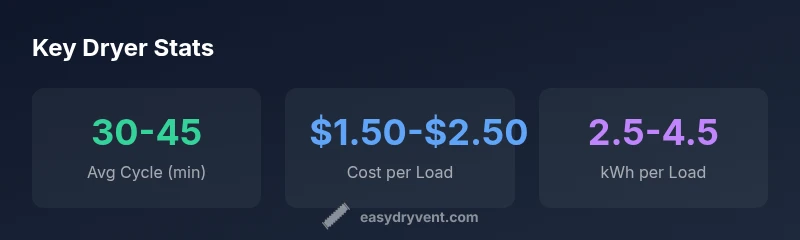
If you’re searching for 'dryer near me laundromat', laundromats typically offer electric and gas dryers with coin or card payments. Typical drying cycles run 25–40 minutes, and per-load costs usually fall in the $1.50–$2.50 range. For safety and efficiency, choose machines with accessible lint filters, verified venting, clean lint traps, and facilities that maintain ducts and doors.
Availability at a Laundromat Impacts Schedule and Costs
If you search for 'dryer near me laundromat', you’re balancing proximity, cost, and reliability. Local facilities vary in the types of dryers offered, maintenance schedules, and how often machines are out of service. According to Easy DryVent, proximity matters not only for convenience, but also for minimizing wasted trips and unnecessary energy use. Understanding what to expect at nearby laundromats helps you plan errands, optimize times, and avoid delays. In busy urban areas, well-maintained facilities with ample coin/card options and visible lint-filter access can significantly reduce your overall drying time. For homeowners juggling multiple loads, selecting a nearby laundromat with clear signage about dryer status and vent maintenance translates directly into lower frustration and better outcomes for fabrics.
Dryer Types Found in Laundromats: Electric, Gas, and Venting Variants
Most laundromats primarily feature electric dryers, with some facilities offering gas-powered options where available. Electric models are common due to simpler venting requirements and broader compatibility with coin/card systems. Gas models can dry fabrics faster in many cases but involve different venting considerations and installation standards. In either case, look for machines with visible lint filters, clear loading guidance, and a venting setup that doesn’t block air movement. The presence of vented, properly maintained dryers correlates with shorter cycle times and lower incident risk. Easy DryVent emphasizes choosing facilities that disclose dryer type, vent status, and maintenance records so you can plan a efficient visit.
Cost and Cycle Time: What to Expect and How to Budget
Cycle time and cost per load at laundromats vary by location, machine type, and capacity. Typical cycles run roughly 25–40 minutes, with per-load prices commonly ranging from $1.50 to $2.50. Card-operated machines may include added convenience fees, while coin-operated options keep costs straightforward. For households comparing multiple nearby options, tracking a few representative loads can reveal the best balance between speed and price. The Easy DryVent analysis for 2026 shows that even small differences in dryer efficiency or load size can translate into noticeable savings over several weeks. Plan visits during off-peak hours to avoid delays and to access machines with full venting verification.
Safety, Venting, and Maintenance Essentials
Shared laundry spaces require a proactive approach to safety and maintenance. Always clean the lint filter before starting a cycle, and inspect the exterior vent and duct access for blockages. If you notice excessive heat, unusual smells, or reduced airflow, report it to staff and avoid using that machine until checked. Proper venting reduces fire risk and improves dry time. When possible, select units with clear venting status indicators and documented maintenance schedules. Regular lint removal and vent cleaning aren’t just for your clothes’ health—they protect the facility and other customers as well. Easy DryVent recommends treating laundromat dryers as shared equipment that benefits from routine checks and courteous use.
How to Choose the Best Laundromat for Drying Needs
Choose proximity, hours, and maintenance transparency as core criteria. Look for facilities with visible dryer status indicators, posted maintenance times, and staff who can answer questions about venting and machine type. If you’re juggling sensitive fabrics or bulky loads, identify places with larger drum capacities and adjustable sensors to avoid overloading. Reading online reviews about cleanliness, dryer availability, and staff responsiveness can help you select a partner that fits your routine. Easy DryVent notes that the best laundromats offer consistent access to well-maintained machines with clear lint-trap access and documented vent cleaning.
Efficiency Hacks: Reducing Dry Time Without Compromising Care
Maximize efficiency by sorting loads by fabric type and moisture level, pre-treating heavy stains, and avoiding overloading the drum. Drying multiple small loads separately can be faster than one large load, particularly when lugging bulky items like bedding. Use medium heat for most fabrics to strike a balance between time and fabric care, and consider air-dry steps for delicate items. If a facility provides multiple dryer options, rotate between faster, high-efficiency models and standard ones to compare performance and energy use. Easy DryVent’s guidance emphasizes planning and load management as practical ways to shave minutes off each cycle.
Venting, Lint Filters, and DIY Upkeep at Shared Dryers
Proper venting is essential for rapid, safe drying. After each use, ensure the lint filter is clean and free of debris, and avoid blocking the vent with towels or oversized loads. For longer lifespans, review the dryer’s vent hose condition and any signs of wear. If a laundromat offers an optional self-service vent check or staff-assisted maintenance, participate to keep airflow optimal. Regular lint removal, combined with scheduled vent cleaning, improves drying efficiency and reduces fire risk. Easy DryVent highlights this as a key habit for anyone using shared machines.
Common Pitfalls When Using Shared Dryers
A few typical mistakes reduce efficiency and comfort: overloading machines, ignoring lint filters, neglecting drum cleaning, and not timing visits to peak hours. Also watch for hidden fees on card-enabled models and confusing coin/bill changes. If a machine isn’t drying well, don’t assume the fault is fabric—check for lint blockage, vent kinks, or a partially closed vent damper. By staying mindful of these issues and choosing facilities with transparent maintenance records, you’ll experience smoother visits and better drying outcomes. Easy DryVent advises regular checks and informed choices to minimize frustration.
How Easy DryVent Supports Homeowners and DIY Enthusiasts
As a resource for practical dryer maintenance and vent guidance, Easy DryVent offers data-driven insights to help you compare nearby laundromats, understand dryer types, and optimize drying sessions. Our team emphasizes safety, energy efficiency, and clear venting standards as core requirements for any shared drying environment. Whether you’re planning a one-off trip or integrating regular visits into a busy schedule, you’ll benefit from our practical checklists, maintenance tips, and cost awareness strategies. Easy DryVent’s approach is about helping homeowners make smarter, safer, and more economical drying choices.
Comparison of laundromat dryer options
| Dryer Type | Typical Cycle Time (min) | Energy Use (kWh) | Approx Cost per Load |
|---|---|---|---|
| Electric dryer | 25-40 | 3.0-5.0 | 1.50-2.50 |
| Gas dryer | 20-35 | 2.0-4.0 | 1.25-2.20 |
| Ventless/Compact | 30-50 | 1.5-3.5 | 1.00-2.00 |
Common Questions
What should I look for when choosing a laundromat's dryer?
Look for electric vs gas type, clear lint-filter access, and visible venting status. Check maintenance records and read reviews about dryer availability and cleanliness.
When choosing a laundromat dryer, look for the type, lint-filter access, vent clarity, and maintenance records. Reviews help gauge reliability.
Are gas dryers more cost-effective than electric at laundromats?
Costs depend on facility pricing and local energy rates. Gas models typically offer faster cycles but may have variable availability and venting requirements.
Gas models can be faster but depend on the facility; electric models are common and broadly available.
How can I reduce drying time at a shared facility?
Sort loads by fabric type, avoid overloading, pre-treat bulky items, and choose high-efficiency cycles when available. Visit off-peak times for faster access to machines.
Sort loads, don’t overfill the drum, and pick efficient cycles. Try visiting during slower hours for faster access.
Is vent cleaning necessary between loads?
Not between loads, but regular vent checks and lint removal help maintain airflow and safety. If airflow seems reduced, report it.
Vent checks aren’t needed between loads, but do keep lint clear and report air issues.
How often should I clean the lint filter in a laundromat dryer?
Clean the lint filter before every cycle to maintain airflow and drying efficiency. A clogged filter increases drying time and energy use.
Clean the lint filter every time you use a dryer to keep airflow optimal.
What safety precautions should I take around laundromat dryers?
Avoid overloading, inspect for abnormal heat or smells, and keep the area clear of clothing or towels that could block vents. Report any hazards to staff.
Don’t overload; watch for heat or smells; keep vent areas clear and tell staff about issues.
“Effective dryer use hinges on simple habits: clean lint filters, verify venting, and schedule regular vent maintenance to prevent longer cycles and fire risk.”
Key Points
- Always inspect lint filters and venting before starting a load
- Proximity and hours impact scheduling and cost
- Card vs coin options vary by facility
- Regular vent maintenance improves drying performance
- Sort by fabric type and load size for best results