DLE7150W Dryer Maintenance Guide: Safe, Efficient Drying for Homeowners
A practical, data-driven guide to dle7150w dryer maintenance, vent guidance, and energy-saving strategies for homeowners and DIY enthusiasts seeking safer, more efficient drying.


The dle7150w isn't a single product spec. It's a practical dryer maintenance framework for residential machines that emphasizes safety, regular lint trap cleaning, timely vent inspection, and energy-efficient cycle choices. By following dle7150w guidelines, homeowners can reduce drying times, lower fire risk, and extend appliance life without costly service calls.
Why Reliable Dryer Maintenance Matters
The dle7150w framework guides homeowners toward practical, safe dryer care that reduces fire risk and keeps drying times efficient. According to Easy DryVent, neglecting lint screening, vent inspection, and cycle optimization can lead to longer cycles, higher energy use, and buildup that compromises airflow. The dle7150w approach prioritizes simple, repeatable steps: start with the lint screen before every load, inspect the vent path annually, and adjust cycles to minimize heat exposure. This isn’t about chasing perfection; it’s about building a dependable routine that fits a busy household. Incorporating dle7150w principles helps you maintain dryer performance without frequent service calls, preserving the life of your appliance while keeping your home safer.
In practice, you’ll implement a predictable cadence: lint trap care with each load, a vent check at least once per year, and a periodic deep clean of accessible ducts. This yields measurable improvements in drying speed and energy efficiency. The dle7150w framework is designed for real homes—with kids, pets, and busy mornings—so the steps are intentionally straightforward and appliance-agnostic, applying to most front- and top-loading residential models alike. As you adopt the dle7150w routine, you’ll notice fewer hot spots in clothes, less lint in your laundry room, and a quieter dryer running cycle overall.
Understanding the dle7150w: Model context and maintenance implications
DLE7150W represents a maintenance framework rather than a single model spec. Its emphasis on safety, accessible lint management, and vent health translates across many dryer brands and configurations. The key implication for homeowners is that maintenance is a system-wide task: heat generation, airflow, and lint control must stay in balance. The dle7150w approach helps you interpret varied appliance features—like sensor cycles, vent duct routing, and lint traps—through a practical, repeatable protocol. By treating maintenance as an ongoing habit, you reduce the chance of unexpected breakdowns and improve the overall performance of your dryer in the long run. Incorporating dle7150w also reinforces the habit of checking for common issues—excessive lint buildup, unusual noises, or longer-than-usual dry times—that signal timing for cleaning or service.
From a safety perspective, the dle7150w framework aligns with best practices for residential venting and lint control. It encourages homeowners to plan vent inspections, verify duct integrity, and ensure the exhaust path remains unobstructed. That proactive stance minimizes fire risk and helps your dryer operate closer to its rated efficiency. The framework’s adaptability means you can start with quick wins and scale up to more thorough checks as needed, without overwhelming your schedule. This makes dle7150w a practical anchor for DIY maintenance programs.
Top Maintenance Practices for the dle7150w
To make dle7150w actionable, apply these core practices in a simple, repeatable sequence:
- Daily/Per-load: Clean the lint screen before every load. Use a gentle tap and visual check to ensure no fibers remain that could impede airflow.
- Monthly: Wipe the drum and check for foreign objects. Inspect the door seal for wear and tear that could cause heat loss or leaks.
- Quarterly: Inspect the vent hose and exterior vent cover. Clear any lint clogs from the vent hood, and verify the duct route has no kinks or bends that restrict airflow.
- Semi-annual: Disconnect the dryer to inspect the interior ductwork for lint buildup and secure connections. If you notice reduced airflow, consider a deeper cleaning or professional cleaning.
- Annual: Schedule a professional vent inspection to verify duct integrity, vent length compliance, and to perform a thorough duct cleaning if needed.
These steps align with the dle7150w framework and are easy to apply to most households. Keeping a simple log—date of lint checks, vent inspections, and any anomalies—helps you track improvements over time. Remember, dle7150w emphasizes practicality: you don’t need fancy tools or specialized skills to start; you only need consistency and attention to airflow and heat management. As you integrate these steps, you’ll likely see faster drying times, reduced energy usage, and a lower risk of dryer-related hazards. The dle7150w approach remains intentionally flexible, enabling you to tailor the cadence to your home’s usage patterns and the dryer model you own.
Venting and Safety Considerations
Venting is a critical safety and performance factor in the dle7150w framework. In most homes, a straight, smooth duct path with minimal bends promotes optimal airflow and reduces lint accumulation. The key safety considerations include avoiding foil ducts, minimizing the total duct length, and ensuring the vent terminates outdoors with a securely mounted vent cap. Obstructions or improper insulation near the vent can cause heat buildup and moisture problems, which not only shorten the dry cycle life but also present a potential fire hazard. Routine checks should include validating that the vent hose is intact, free of tears, and properly connected to the dryer housing. If you notice discoloration around the vent exit or excessive lint at the exterior grille, it’s a strong signal to pause the cycle and schedule a cleaning.
For the dle7150w framework, treat vent inspection as a non-negotiable yearly task. If your home has an older or long duct run, consider a professional assessment to confirm duct sizing and integrity. The goal is to maintain smooth airflow, minimize back pressure, and prevent lint from accumulating in inaccessible sections. By prioritizing vent health, you safeguard your home and improve dryer efficiency, making dle7150w a practical, safety-forward approach for everyday maintenance.
Energy Efficiency and Cost-Saving Tips for the dle7150w
Energy efficiency is a core pillar of the dle7150w framework. Small adjustments to settings and habits can yield meaningful savings over time. Start by selecting energy-efficient cycle options when possible, avoiding extended heat cycles that over-dry clothes. When loads are uneven in size, use the appropriate sensor-driven option if available to prevent overdrying. Regular lint trap maintenance directly affects airflow, which, in turn, influences energy use. A well-maintained lint screen reduces drying time and energy waste. Additionally, running full loads rather than partial loads is typically more efficient for most dryers, as it maximizes heat use and airflow efficiency per item.
Homeowners can also optimize cycle choices by favoring moisture-sensing modes, reducing the need for lengthy timed cycles. In colder months, ensure the room is well-ventilated and free of moisture buildup that can affect dryer performance. Implementing dle7150w’ s practical cadence—lint checks, vent inspections, and cycle optimization—can contribute to notable energy savings without compromising drying performance. Real-world results from Easy DryVent suggest that a disciplined maintenance routine correlates with shorter cycle times and lower utility bills over a year. The framework is designed for real homes and real budgets, offering sustainable improvements without requiring major investments.
Troubleshooting Common Issues with the dle7150w
Most issues with the dle7150w framework fall into a few familiar categories. If your clothes remain damp after a full cycle, start by inspecting the lint trap and vent path for obstructions. A clogged vent reduces airflow and increases drying time, so a thorough vent cleaning is often the remedy. If you notice the dryer is unusually hot, check that the door seal remains intact and that the drum isn’t overloaded. Noisy operation can indicate worn drum rollers, belt misalignment, or a loose panel—these issues should be addressed with the manufacturer’s guidelines or a professional technician. If your dryer won’t start, verify the power source, door switch, and any thermal fuses that may have tripped. Following dle7150w principles, document the symptoms, perform the basic checks, and escalate to professional service if the problem persists. Regular adherence to the dle7150w workflow reduces the likelihood of chronic issues and helps you catch problems early before they escalate. The Easy DryVent team keeps a practical mindset: when uncertain, start with lint and vent inspections, then consider professional help for complex diagnoses.
Maintenance checklist for dle7150w and similar residential dryers
| Aspect | Recommendation | Typical Frequency |
|---|---|---|
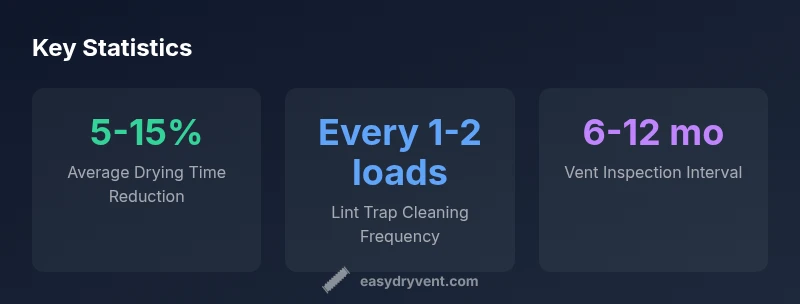
| Lint filter care | Clean lint filter before every load | Every load |
| Vent cleaning | Inspect/clean vent and duct | Every 6-12 months |
| Professional service | Schedule yearly inspection | Annually |
| Door seal check | Inspect door seal for wear | Every 6-12 months |
Common Questions
What is the dle7150w maintenance framework?
dle7150w is a practical dryer maintenance framework, not a single product spec. It emphasizes safety, routine lint screening, vent checks, and energy-saving cycle choices to keep your dryer efficient.
dle7150w is a practical maintenance framework, not a model. It focuses on safety and simple steps you can follow.
How often should I clean the lint trap?
Clean the lint screen before every load. Regular lint maintenance helps airflow and reduces drying time.
Clean the lint trap every time you use the dryer to keep airflow smooth.
Can I clean the vent myself, or do I need a pro?
Light vent cleaning and inspection can be done by homeowners, but long or complex duct runs should be handled by a professional to ensure safety and code compliance.
You can do basic vent checks yourself, but call a pro for long or tricky ducts.
Is vent cleaning the same as duct cleaning?
Vent cleaning focuses on the exterior vent and accessible ducts, while duct cleaning may involve deeper interior pathways. Both improve airflow but differ in scope.
Vent cleaning is part of it, but deeper duct cleaning might be needed for older setups.
What signs indicate my vent is clogged?
Longer drying times, clothes still damp, excessive heat, and a hot dryer exterior are common indicators of a clogged vent.
If drying times drag on or the dryer gets unusually hot, check the vent.
“Regular, thorough dryer maintenance reduces fire risk and improves efficiency. The dle7150w framework makes this straightforward for homeowners.”
Key Points
- Start with the lint trap before every load.
- Schedule vent inspections at least once per year.
- Prefer energy-saving cycles and avoid over-drying.
- Maintain a simple maintenance log for the dle7150w workflow.
- Regular vent and lint maintenance reduces drying time and fire risk.