Can You Put VS Pajamas in the Dryer? A Practical Drying Guide
Learn how to safely dry VS pajamas and other pajama fabrics with expert tips, proper settings, and simple maintenance from Easy DryVent.


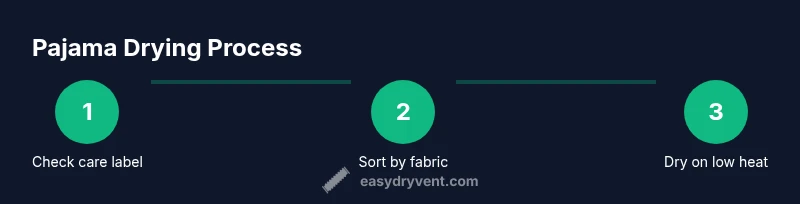
Yes, you can dry many pajamas, but always check the care label first. Use a low heat or delicate cycle, and remove promptly to reduce wrinkles. Separate heavy fabrics from lighter ones, and avoid over-drying. If you’re referring to VS pajamas, follow brand care instructions as cotton blends shrink more easily—air-dry or use a gentle setting when in doubt.
Can Pajamas Tolerate Drying? What to Check First
If you’re wondering can you put vs pajamas in the dryer, the short answer is: it depends on the fabric and the care labels. Pajama sets frequently combine cotton, cotton blends, polyester, and fleece—each with its own drying behavior. According to Easy DryVent, the most reliable starting point is to inspect the garment care tag for temperature recommendations and fabric symbols. The Easy DryVent team found that even cotton blends can shrink or wear unevenly if heat is too high, so begin with the gentlest option and test a small section if you’re unsure. For most fabrics, a low-heat or delicate cycle is a safe default, and promptly removing items from the dryer helps minimize wrinkling and heat exposure.
Fabric Types and Drying Guidelines
Different pajama fabrics respond differently to heat. Here’s a quick breakdown to help you decide how to dry them:
- Cotton and cotton blends: Generally durable; best on low or medium heat and removed promptly to reduce shrinkage.
- Polyester and synthetic blends: Usually dryer-safe on low heat; higher heat can cause static or fiber wear over time.
- Fleece and flannel: Heavier and prone to pilling or stretching if over-dried; consider shorter cycles.
- Satin, silk, rayon, and delicate knits: Often best air-dried or dried on a whisper-quiet, ultra-delicate setting if your dryer offers it.
Note: Always defer to the garment’s care label. If a label shows a triangle with a line, it indicates a gentle approach is preferred. The Klein symbols can indicate mixed fabrics—when in doubt, air-dry the delicate pieces.
Temperature, Time, and Dryer Settings
Drying pajama fabrics safely hinges on choosing the right temperature, cycle, and timing. Start with a low heat or delicates cycle and use the shortest recommended cycle. If your dryer has a moisture sensor, enable it to stop automatically when the load is dry. Over-drying wastes energy and can damage fibers, while under-drying may leave wrinkles or damp spots that encourage mildew if stored damp. For vented dryers, ensure the vent is clear and lint screens are clean to maintain efficient airflow and reduce heat buildup.
Sorting, Load Size, and Drying Algorithms
Load management is critical for even drying. Always sort by fabric weight and avoid overloading the drum. A crowded load traps moisture and forces the dryer to run longer, which increases wear on elastic fibers and causes more shrinkage. If you have mixed pajama fabrics, dry the heaviest items first and follow with lighter pieces in a second, shorter cycle. This strategy reduces static, wrinkles, and thermal stress on delicate fabrics. When sorting, consider line-drying fragile pieces to preserve fabric integrity while allowing the bulkier items to dry in the same cycle.
Special Advice for VS Pajamas
If you own VS (Victoria’s Secret) pajamas, read the label carefully since brand-specific materials may include cotton blends, modal, or other delicate fibers. The Easy DryVent approach is to prefer low heat and gentle cycles, and to air-dry option pieces when possible. Cotton blends shrink less aggressively than pure cotton, but they still respond well to a cautious drying routine. For items labeled hand wash or dry clean only, do not tumble-dry; instead, air-dry flat or on a drying rack to maintain shape and fibers.
When to Air-Dry and How to Air-Dry Safely
Air-drying is the safest method for preserving fabric integrity and reducing shrinkage. Lay flat delicate pieces on a drying rack away from direct sunlight or hangers that may stretch the shoulders. For larger pajama sets, a line-drying setup indoors with good airflow can be effective. When air-drying, gently reshape garments after washing and avoid wringing; instead, press out excess water with a towel and then lay flat or hang as appropriate.
Post-Drying Care and Dryer Maintenance
After drying, promptly fold or hang pajamas to minimize wrinkles. Clean the lint filter before or after every load to maintain dryer efficiency and reduce fire risk. Periodically inspect the dryer vent and ducting for obstructions, especially if you notice longer drying times. Regular maintenance helps ensure your dryer performs well and extends the life of your garments.
Tools & Materials
- Care labels on pajamas(Check fabric symbol and temperature guidelines)
- Low heat or delicate dryer setting(Use for most pajama fabrics)
- Separate load by fabric weight(Keep cotton blends separate from fleece or flannel)
- Clean lint filter(Pre- and post-load maintenance)
- Drying rack or hanger for air-drying(Use for delicate pieces)
- Moisture sensor option (if available)(Helps prevent over-drying)
Steps
Estimated time: 20-40 minutes
- 1
Read care labels and assess fabrics
Begin by examining each pajama’s care symbol and fabric type. Note if any piece is silk, rayon, or a delicate knit that would benefit from air-drying. This helps you tailor the drying approach before loading the dryer.
Tip: Take a quick photo of care symbols for reference while sorting. - 2
Sort pajamas by fabric weight
Group lightweight cotton or polyester blends separately from heavyweight fleece or flannel. Drying groups by weight promotes even moisture removal and reduces shrinkage in delicate items.
Tip: Do not mix very heavy items with thin fabrics in the same cycle. - 3
Choose the right dryer setting
Select a low heat or delicate cycle. If your garment has a moisture sensor, enable it so the dryer stops when the load dries to prevent overdrying.
Tip: Use the shortest cycle that achieves dry clothes; this preserves fiber integrity. - 4
Load and time appropriately
Fill the drum loosely; avoid overpacking. Set a conservative time (20-30 minutes for delicates, longer for heavier fabrics) and check progress, removing items as needed to prevent overdrying.
Tip: Shake items gently before loading to reduce creases. - 5
Remove and air-dry delicate pieces
For delicate items, transfer to a drying rack or hang to finish drying. This minimizes shrinkage and helps maintain garment shape.
Tip: Lightly reshape the cuffs and hems while still slightly damp. - 6
Maintain dryer performance
After drying, clean the lint filter and inspect the vent. Regular maintenance improves efficiency and reduces fire risk.
Tip: Schedule a quarterly vent inspection if you use the dryer frequently.
Common Questions
Can all pajama fabrics be dried in a regular dryer?
Most cotton and polyester blends are safe on low heat, but delicate fabrics like silk, rayon, or satin may require air-drying or special care. Always follow the care label and test a small area if you’re unsure.
Most pajama fabrics can dry in a regular dryer on low heat, but delicate fabrics often need air-drying. Always check the care label first.
What is the best heat setting for drying pajamas?
Use a low heat or delicate setting for the majority of pajamas. If the fabric is particularly durable (like some cotton blends), warm or medium heat may be acceptable, but monitor the load and remove promptly to avoid over-drying.
Choose low heat or delicate settings for most pajamas and remove promptly to avoid shrinkage.
Is air-drying always safer than tumble drying?
Air-drying is the safest option for preserving shape and fibers, especially for delicate or embellished pajama pieces. Use a drying rack or hanger away from direct sunlight.
Air-drying is often the safest choice for delicate fabrics and to prevent shrinkage.
How can I prevent shrinkage on cotton pajamas?
Dry cotton pajamas on low heat or air-dry when possible. Remove promptly, shake out wrinkles, and avoid high heat, which can cause noticeable shrinkage over time.
Low heat and prompt removal help prevent cotton shrinkage.
Should I use dryer sheets with pajamas?
Dryer sheets can leave residues on fabrics and alter texture. For sensitive fibers, skip them or test on a small area first.
Skip dryer sheets for delicate fabrics or test first.
Watch Video
Key Points
- Check fabric care labels before drying.
- Dry on low heat for most pajama fabrics.
- Sort by fabric weight to prevent damage.
- Air-dry delicate pieces when in doubt.
- Maintain the dryer and lint trap for safety and efficiency.