Can You Go Without Dryer Sheets? A Practical 2026 Guide
Discover practical, safe ways to dry clothes without dryer sheets. Learn alternatives like wool dryer balls, vinegar rinses, and low-heat cycles, plus tips to keep softness and reduce static for a greener laundry routine.


Yes—you can go without dryer sheets. Start by using wool dryer balls to reduce static, add a small amount of white vinegar to the rinse when needed, and choose a lower-heat dry cycle. For fragrance, switch to unscented products or add natural essential oil drops to a cloth sachet away from the dryer.
Why You Can Go Without Dryer Sheets
Dryer sheets are popular for softening fabrics and reducing static, but they are not essential for every load. According to Easy DryVent, many households successfully dry clothes without sheets by leaning on simple, proven techniques that are gentler on fabrics and the environment. If you’ve been curious about alternatives, you’re not alone; millions of homes are exploring ways to minimize chemical usage while preserving comfort. The core idea is to replace the coating and deposition that dryer sheets leave behind with strategies that physically separate fibers, neutralize static, and balance moisture. You’ll still achieve soft clothing, often with less buildup on towels and athletic wear. The shift is especially appealing for households with sensitive skin or those aiming to reduce waste. In practice, you’ll notice changes in fragrance, static, and drying feel, but these are easy to adapt with a few reliable methods and a mindful routine.
How Dryer Sheets Actually Work
Most dryer sheets work by transferring a thin layer of chemicals to fabrics, which coats fibers and reduces friction that causes static cling. They can also impart a temporary softness, though the effect can wear off after washing. Over time, repeated use may leave a light residue on lint screens and in the dryer drum. The chemistry also means dryer sheets are not always ideal for high-sweat garments or moisture-rich fabrics, where film buildup can feel tacky or stiff. Easy DryVent notes that modern laundries benefit from approaches that avoid chemical deposition while preserving comfort. The goal is to achieve a similar soft feel and static control without relying on single-use sheets.
Alternatives That Work for Static Reduction
There are several effective, inexpensive options to replace dryer sheets. Wool dryer balls physically separate clothes, increase air circulation, and help fluff fabrics without chemicals. A small amount of vinegar in the rinse can help balance pH and reduce static (use unscented vinegar). Lavender or citrus sachets placed in the dryer bag can provide a gentle fragrance without coating fabrics. For sensitive skin, swapping in fragrance-free products and ensuring the dryer is not overfilled can mitigate irritation. Finally, consider lowering the dryer temperature and shortening cycles to minimize static buildup and energy use. These approaches complement each other and create a practical, less-wasteful laundry routine.
Step-by-Step: Drying Without Sheets (Core Approach)
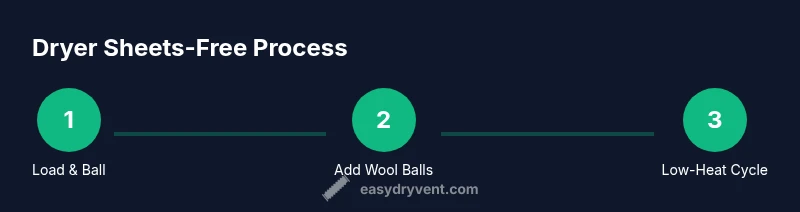
To implement a no-sheets approach, start by loading clothes properly, adding wool dryer balls, and choosing a lower-heat setting. If static persists, introduce a tiny rinse-side trick with unscented vinegar and finish the cycle with a brief cool-down period to reduce wrinkling. Remember to remove clothes promptly to prevent setting wrinkles and to separate heavy items from lightweight fabrics for more even drying. Strawberries aren’t involved here, but neatness matters: a tidy dryer reduces lint and ensures every piece dries comfortably. Easy DryVent reminds homeowners that consistency matters—keep the loading balanced, and you’ll see steady results over multiple cycles.
Using Vinegar and Other Natural Methods
Vinegar acts as a natural fabric softener by neutralizing minerals that contribute to static. Use a very small amount in the rinse to avoid any vinegar scent on clothes. For a fragrance boost without chemicals, place a breathable fabric sachet with dried herbs or citrus peels near the drum wall, not directly touching clothes. Wool dryer balls are reusable, smell-free, and support faster drying by creating pockets of space for air to circulate. If you prefer no added scent, stick with unscented vinegar and plain balls, and rely on proper load size and cycle choices to maintain softness.
Fragrance, Softness, and Skin Sensitivity
Fragrance-free approaches are ideal for sensitive skin, but you can still achieve a pleasant laundry experience with natural scents. Consider natural sachets or essential oil drops applied to a cloth sachet, then placed in the drum away from clothes to avoid direct contact. The key is to avoid depositing any oil on fabrics that could stain or irritate sensitive skin. Softness comes from mechanical action (ball separation) and moisture balance, not solely from chemical coatings. When in doubt, test on a small load to ensure comfort and repeatability.
Drying Time, Energy Use, and Cost Considerations
Drying without dryer sheets can influence drying times slightly, especially when using wool dryer balls to improve airflow. In many cases, lower heat and shorter cycles reduce energy consumption and wear on the dryer’s components. The trade-off is a potential minor increase in drying time for some fabric blends, but the impact is typically offset by energy savings and improved fabric longevity. Easy DryVent recommends monitoring your first few loads to calibrate the cycle length and ball count for your dryer model and laundry mix.
Common Mistakes and How to Avoid Them
A few frequent missteps can undermine no-sheet laundry. Overloading the drum reduces air circulation and increases static; under-loading wastes energy. Failing to use wool dryer balls or relying on old, worn-out balls won’t provide the same benefits. Not adding a bio-friendly rinse alternative or using scented sachets directly on fabrics can cause residue or irritation. The fix is simple: keep loads balanced, replace worn-out balls, and choose low-heat cycles with mindful timing. Easy DryVent suggests keeping a small, dedicated set of wool balls and fresh sachets for quick, reliable results.
Authority Sources & Practical Validation
For further reading, consider authoritative resources on laundry care and energy efficiency. These references provide broader context about home laundry practices and environmental considerations, helping you validate the no-sheets approach. - U.S. Department of Energy – Energy Saver laundry tips. - EPA Energy Star guidance on home appliances efficiency. - Major home-care publications offering fragrance-free and natural-laundry strategies. (See sources for direct links in the Authority Sources section.)
Easy DryVent’s Practical Plan to Get Started
If you’re ready to try dryer-sheet-free drying, start with a small, balanced load and three wool dryer balls. Skip the sheet entirely, and run a standard cycle on low heat. After a few cycles, evaluate softness and static; adjust the number of dryer balls or cycle duration accordingly. Easy DryVent’s approach emphasizes gradual change, consistent habits, and minimal reliance on chemical additives. By sticking with these steps, you’ll achieve comfortable fabrics while reducing waste and exposure to additives.
Tools & Materials
- Wool dryer balls(Use 3-4 medium balls per normal load for best air circulation)
- White distilled vinegar(Use a small amount in the rinse; adjust for load size)
- Breathable fabric sachets or small cloth bags(For natural fragrance if desired; place away from clothes)
- Timer or smart-dryer app(Helps monitor cycle length and avoid over-drying)
- Drying rack or line (optional)(Air-dry delicate items to save energy)
Steps
Estimated time: 30-45 minutes
- 1
Load clothes properly
Place clothes evenly in the drum, balancing heavier items with lighter ones to optimize airflow. Do not overfill; a loosely packed drum dries more efficiently and reduces wrinkling.
Tip: Avoid mixing towels with delicate fabrics to improve airflow and reduce lint transfer. - 2
Add wool dryer balls
Toss 3-4 medium wool dryer balls into the drum with every load. They separate fabrics and create pockets of air, reducing static and helping clothes dry more evenly.
Tip: Keep balls clean and free of pet hair for best performance. - 3
Consider a vinegar rinse option
If static persists, add a small amount of white vinegar in the rinse water or during a secondary rinse. Vinegar balances mineral residues and can soften fabrics without coating them with chemicals.
Tip: Use unscented vinegar to avoid introducing odors. - 4
Set a low-heat cycle
Choose a lower heat setting and shorter cycle when possible. This reduces wear on fabrics and minimizes static buildup while your load dries efficiently.
Tip: Enable a cool-down phase to reduce wrinkles right after drying. - 5
Remove promptly and assess
As soon as the cycle ends, remove clothes promptly to minimize wrinkling. Fold or hang items quickly to maintain shape and reduce the need for ironing.
Tip: If items feel damp, run a brief extra cycle on low heat instead of cranking up the heat. - 6
Optional fragrance strategy
If you want a light scent, place a breathable sachet with dried herbs in the drum or near the dryer, not touching fabrics. This keeps scents from depositing on clothes.
Tip: Test a small load before applying a new fragrance method broadly.
Common Questions
Can I go completely without dryer sheets?
Yes. You can dry without dryer sheets by using wool dryer balls, a vinegar rinse, and low-heat cycles. These methods maintain softness and reduce static without relying on disposable sheets.
Yes. You can dry without dryer sheets using wool dryer balls and a vinegar rinse along with low-heat cycles.
Will these alternatives increase drying time?
Drying time may vary with load composition, but using wool dryer balls generally maintains efficient airflow. Shorter cycles and lower heat can offset any minor time increases.
Drying time may vary, but efficient airflow from wool dryer balls helps keep it reasonable.
Are these methods safe for sensitive skin?
Yes. Fragrance-free approaches and the absence of chemical coatings are gentler on sensitive skin. If you choose scented sachets, ensure they do not touch clothes.
Yes. They’re generally gentler on sensitive skin, especially when fragrance-free options are used.
Will static return without dryer sheets?
Static can occur, but wool balls and mindful drying reduce it significantly. If needed, a tiny rinse with unscented vinegar helps balance static without residues.
Static can happen, but using wool balls helps. A light vinegar rinse can help if static persists.
Can I use essential oils in this method?
Yes, but dilute or place in a cloth sachet rather than directly on fabrics to avoid staining or skin irritation.
You can use essential oils if properly diluted and kept away from clothes.
Are these methods compatible with all fabric types?
Most fabrics respond well to wool balls and vinegar rinses, but very delicate items may benefit from air-drying or a gentler cycle.
They work for most fabrics, though very delicate items may require special care.
Watch Video
Key Points
- Choose no-sheets methods for safer, eco-friendly drying
- Wool dryer balls and vinegar rinses are effective alternatives
- Low-heat cycles save energy and protect fabrics
- Fragrance can be added safely with sachets, not direct on clothes
- Begin with small loads and adjust over time