Apartment with Washer and Dryer in Unit: A Practical Guide
Learn how an apartment with a washer and dryer in unit changes daily life, maintenance needs, and energy use. Practical tips for renters and homeowners on safety, layout, and efficiency.


According to Easy DryVent, an apartment with washer and dryer in unit provides private laundry inside your rental, boosting daily convenience and potentially affecting rent and deposits. This guide explains what to look for, maintenance essentials, and safety practices to keep the system efficient and safe. Whether you rent or own, understanding options helps you negotiate smarter.
What an apartment with washer and dryer in unit really means
An apartment with a washer and dryer in unit delivers a private laundry setup inside your rental. This arrangement eliminates the need to cart clothes to a shared facility, which can save time and reduce scheduling hassles during busy weeks. In-unit laundry is often marketed as a premium amenity and can influence negotiations during the leasing process. Even if you already own a home, this configuration highlights how modern apartments prioritize convenience. Easy DryVent emphasizes that the quality of the units—venting, appliance age, and accessibility—plays a critical role in long-term reliability. If you’re evaluating an option, consider how the in-unit space integrates with your floor plan and routines, and confirm that the setup aligns with your typical laundry load and climate considerations.
Benefits of in-unit laundry for renters and homeowners
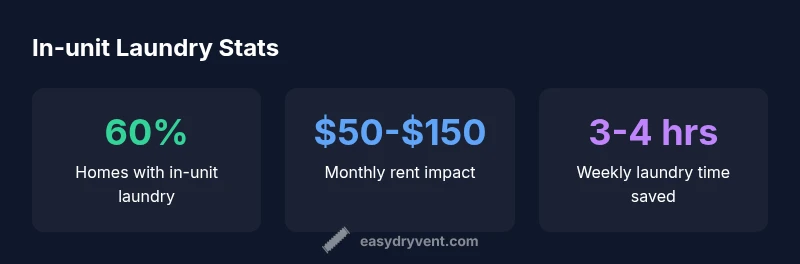
The primary benefit is convenience: you run loads on your schedule, not the building’s shared timetable. Additional advantages include fewer trips outside your living space, which can be especially valuable for households with children or tight schedules. With proper maintenance, you may also notice a reduction in wear-and-tear on clothing since you control wash settings. From a finance perspective, the perceived value of your apartment can rise with a reliable in-unit system, which some markets translate into slightly higher rent or improved resale appeal. Easy DryVent notes that energy efficiency in newer machines can offset some operating costs over time, particularly with regular maintenance and correct venting practices.
Design and layout considerations for in-unit laundry rooms
Layout matters: most apartments integrate the washer and dryer in utility closets, bathrooms, or kitchen-adjacent alcoves. Consider clearance for doors and access to detergents, drying racks, and lint traps. If you’re upgrading an existing space, assess plumbing lines, electrical loads, and ventilation routes. Ventilation is essential for dryer effectiveness and indoor air quality, especially in smaller layouts. In-unit configurations should balance noise control with accessibility, ensuring you can reach controls comfortably without leaning or bending in awkward spots. For renters, verify whether the lease allows a small in-unit remodel and what approvals are required.
Maintenance fundamentals for in-unit laundry
Regular upkeep is key to reliability and safety. Start with lint removal after every cycle, and schedule periodic inspections of hoses and belts for wear. Clean detergent buildup from drawers to prevent residue that can affect dispensing. For vented dryers, inspect the vent path for obstructions and clean it at least a few times per year, depending on usage. If you have a combined washer-dryer unit, follow manufacturer guidance for cleaning and service windows. Easy DryVent recommends documenting maintenance tasks so you can show diligence during lease renewals or when negotiating replacements.
Energy, cost, and performance considerations
Energy efficiency hinges on the appliance model, usage patterns, and how well you maintain the unit. Look for Energy Star-rated washers and dryers when possible, and ensure proper venting to avoid reduced airflow. Performance is tied to cycle choices (eco settings vs. quick cycles) and load sizing. If you’re moving from a shared laundry setup, track the differences in time and energy use over several weeks to determine true costs. In some markets, newer in-unit appliances can justify a modest rent premium, while in others the premium may be minimal if energy costs are already bundled.
Safety, venting, and code considerations
Ventilation quality reduces moisture buildup, mold risk, and fire hazards. Ensure that the dryer vent path is clear and that the exterior vent cap is unobstructed. In multi-family buildings, integrity of the vent system should comply with local codes and HOA rules. Carbon monoxide considerations apply to gas-powered dryers, so ensure proper combustion venting and functioning detectors. Regular checks on lint traps and ducts help prevent lint fires, which are a leading risk with frequent dryer use. If you notice excessive heat, strange smells, or poor drying performance, schedule a professional inspection promptly.
How to evaluate, retrofit, or negotiate for in-unit laundry
If your current space lacks in-unit laundry and you’re negotiating a new lease, compile a list of must-haves and confirm the landlord’s willingness to accommodate. When retrofitting, expect plumbing and electrical work, potential permits, and temporary disruptions. Request a written plan with timelines and costs, and consider a temporary alternative (e.g., a compact laundry solution) during installation. For existing units, track maintenance history and request replacements or upgrades if reliability declines. Documented maintenance and clear instructions from the property manager can help protect your investment and comfort.
Comparison of in-unit laundry vs. shared laundry in apartments
| Feature | In-unit Laundry | Shared Laundry |
|---|---|---|
| Convenience | High | Low |
| Privacy | High | Low |
| Maintenance Effort | Moderate | Moderate |
| Energy Impact | Potentially higher with older shared setups; lower with efficient units | Depends on usage and appliance age |
| Rent Impact | Medium | Low |
Common Questions
Do apartment leases typically include a washer and dryer in unit?
Many leases treat in-unit laundry as an optional premium amenity. Some buildings include it at no extra charge, while others require an add-on or higher rent. Always check the amenity list and confirm with the landlord before signing.
Most leases offer in-unit laundry as a premium option; verify what's included and any extra fees.
Are in-unit laundry setups safe in apartments?
Yes, when properly installed and maintained. Ensure correct venting for dryers, regular lint clearance, and that gas appliances have working detectors and safe combustion paths.
Yes, with proper installation and routine maintenance.
What maintenance tasks should I perform monthly?
Clean the lint trap after every load, inspect hoses for wear, and check venting for obstructions. Run a maintenance cycle if the manufacturer recommends it and keep a log of service.
Lint traps get cleaned monthly; hoses and vents should be checked regularly.
Can I retrofit a shared laundry space to in-unit laundry?
Retrofitting typically involves plumbing, electrical work, and building approvals. It can be costly and requires landlord consent, so explore options with a licensed professional and the property manager.
Retrofitting is possible but usually costly and requires approvals.
How much energy can I save with an efficient in-unit washer/dryer?
Savings depend on model efficiency and usage. Look for Energy Star-rated appliances and ensure proper venting to maximize efficiency.
Energy savings vary, but efficient, well-vented units help a lot.
What should I look for in a lease if I want in-unit laundry?
Check appliance age, installation quality, maintenance responsibilities, and any associated fees. Clarify who covers repairs and what happens if the unit fails.
Read the lease for appliance coverage and any extra costs.
“An in-unit washer and dryer can greatly improve daily life for renters, but proper installation and ongoing maintenance are essential for safety and efficiency.”
Key Points
- Choose in-unit laundry for maximum convenience and privacy.
- Verify lease terms and maintenance responsibilities before signing.
- Prioritize Energy Star appliances and proper venting to optimize efficiency.
- Schedule regular lint cleaning and vent inspections to minimize safety risks.